



Razzia in Paris: Inside a Classic Crime Story That Defined French Film Noir
A Crime Film That Still Resonates Decades Later
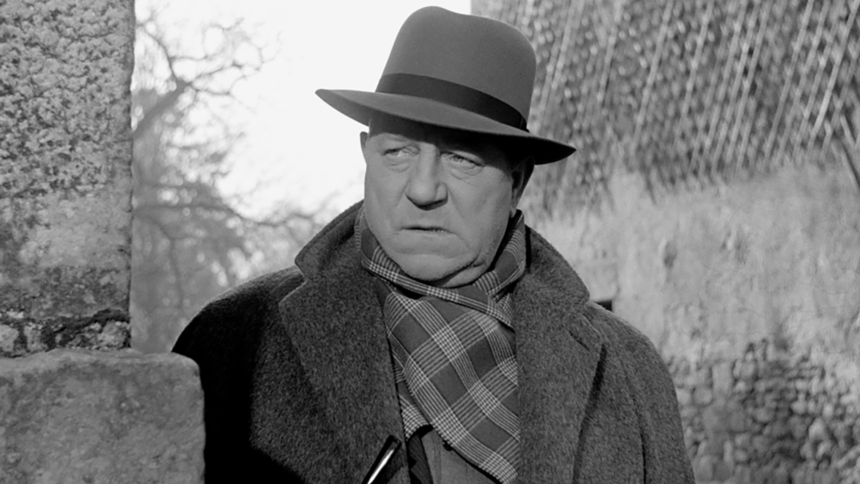
Few films capture the tension and moral ambiguity of post-war Europe quite like “Razzia in Paris”—originally released as Razzia sur la chnouf in 1955. Directed by Henri Decoin and anchored by a commanding performance from Jean Gabin, the film stands as a defining entry in French film noir, blending crime drama with sharp social commentary.
- A Crime Film That Still Resonates Decades Later
- The Story: An Undercover Mission in a Dangerous World
- A Portrait of the Paris Drug Underworld
- Jean Gabin’s Performance: Authority and Ambiguity
- Direction and Style: The Hallmarks of French Film Noir
- Themes That Extend Beyond Crime
- From Release to Legacy
- Why “Razzia in Paris” Still Matters
- Conclusion: A Crime Classic with Enduring Impact
At its core, the film is not merely about a police operation or a criminal network. It is a layered exploration of Paris’s underground drug trade, the fragility of loyalty, and the personal risks embedded in undercover work. More than half a century later, its themes remain strikingly relevant.
The Story: An Undercover Mission in a Dangerous World
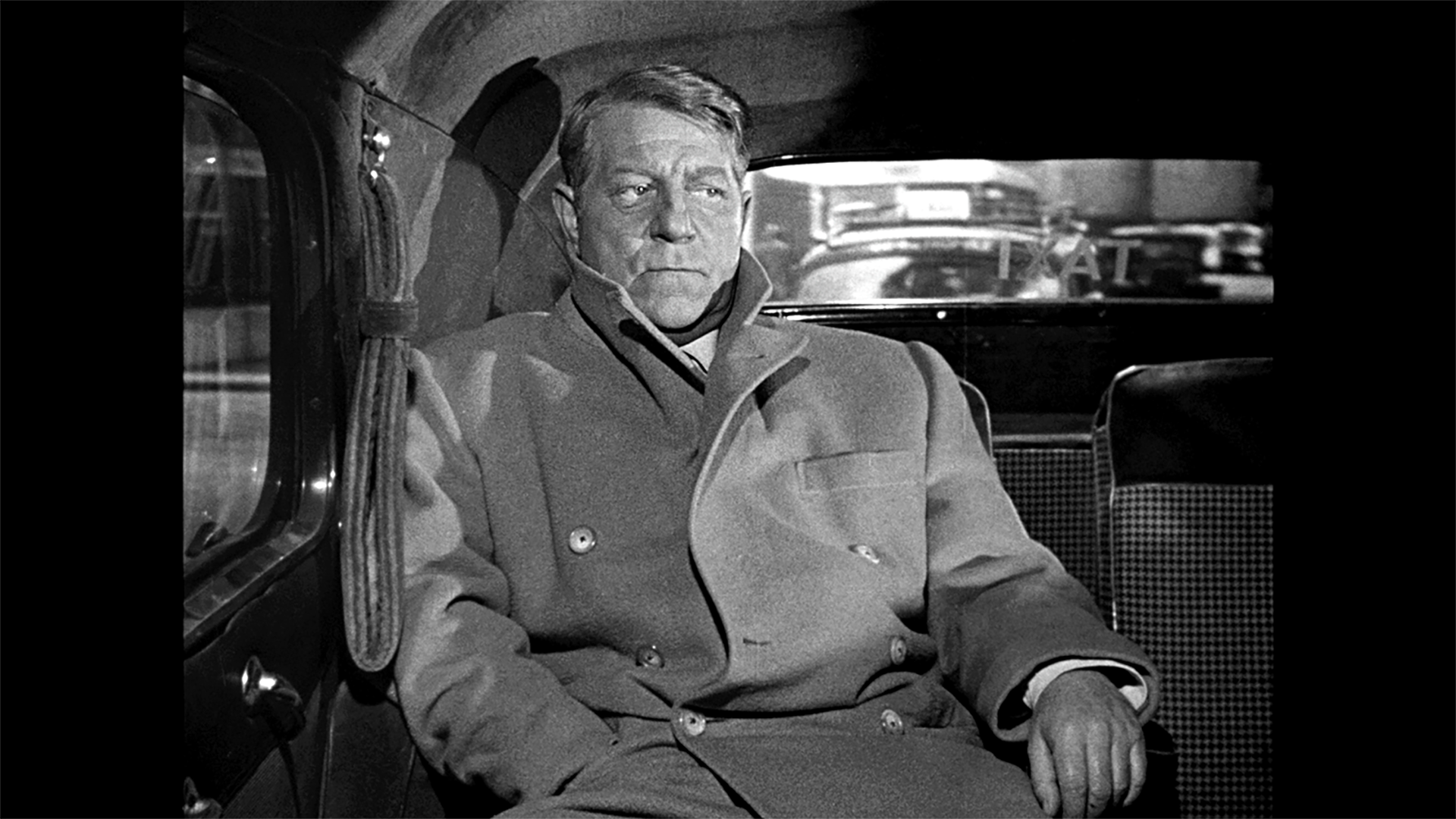
The narrative follows Henri Ferré, portrayed by Jean Gabin, a man who appears to be a seasoned criminal returning to Paris after time abroad. He is quickly recruited by Paul Liski, the head of a powerful narcotics syndicate, to restore order and efficiency within the organization.
Ferré’s assignment is clear: stabilize a network plagued by inefficiency, eliminate unreliable dealers, and ensure the drug supply chain operates without disruption. He is given authority, resources, and the support of enforcers tasked with carrying out violent orders.
But beneath this carefully constructed identity lies a different truth.


Ferré is, in reality, an undercover narcotics officer. His mission is not to strengthen the cartel—but to dismantle it from within.
This dual identity drives the film’s tension. Every decision he makes carries risk. Every interaction could expose him. As he navigates the criminal hierarchy—visiting drug labs, monitoring distribution routes, and identifying weak links—he edges closer to both success and danger.
The stakes escalate when police pressure intensifies, culminating in raids, interrogations, and eventually a decisive operation that brings the entire network into focus.
A Portrait of the Paris Drug Underworld
One of the film’s defining strengths is its unflinching depiction of the drug trade in mid-20th-century Paris. Rather than romanticizing crime, it presents a structured and often brutal system:



- Couriers and dealers operate under constant threat
- Internal betrayal is met with immediate violence
- Distribution chains stretch from laboratories to international routes
- Addiction is portrayed as both a personal tragedy and a systemic issue
The film’s environments—opium dens, underground clubs, and backroom operations—create a vivid portrait of a city operating in parallel to its public image.
This realism was notable for its time. The film did not shy away from showing the consequences of drug abuse and criminal enterprise, positioning itself as both entertainment and social commentary.
Jean Gabin’s Performance: Authority and Ambiguity
Jean Gabin’s portrayal of Henri Ferré is central to the film’s enduring impact. His performance balances authority with restraint, capturing the psychological complexity of a man living two lives.
Ferré must convincingly embody a criminal leader while internally maintaining the discipline and purpose of a law enforcement officer. This duality creates a constant undercurrent of tension:
- He issues orders that lead to violence
- He builds trust among criminals who would kill him if exposed
- He navigates relationships that blur personal and professional boundaries
Gabin’s presence anchors the film, giving weight to every scene and reinforcing the moral ambiguity at the heart of the story.
Direction and Style: The Hallmarks of French Film Noir
Henri Decoin’s direction situates Razzia in Paris firmly within the golden age of French film noir. The film shares stylistic and thematic DNA with other classics of the era, including Rififi.
Key elements of its cinematic approach include:
- Atmospheric visuals: Shadowy interiors and stark lighting emphasize tension
- Tight narrative pacing: Scenes unfold with deliberate precision
- Suspenseful dramaturgy: The story builds toward inevitable confrontation
- Urban realism: Paris is depicted not as a romantic city, but as a complex, layered environment
These choices elevate the film beyond a conventional crime story, positioning it as a work of cinematic craftsmanship.
Themes That Extend Beyond Crime
While the plot centers on a police operation, the film’s deeper themes give it lasting relevance.
1. Loyalty and Betrayal
Trust is fragile in the criminal world. Alliances shift quickly, and survival often depends on deception.
2. Identity and Morality
Ferré’s undercover role raises questions about identity. How much can a person compromise before losing themselves?
3. Systemic Crime
The film portrays crime not as isolated acts but as an organized system, with clear hierarchies and operational logic.
4. Social Commentary on Drug Abuse
By showing the human cost of addiction, the film critiques both the supply chain and the societal conditions that sustain it.
From Release to Legacy
Released on April 7, 1955, the film achieved significant commercial success, recording over 2.9 million admissions in France.
Over time, it has been recognized as a benchmark in the gangster genre. Its influence extends to later crime films that explore undercover operations, moral ambiguity, and organized crime structures.
Today, its availability in modern media libraries has introduced it to new audiences, reaffirming its status as a classic that continues to engage viewers.
Why “Razzia in Paris” Still Matters
In an era where crime dramas dominate both cinema and streaming platforms, Razzia in Paris stands out for its clarity of purpose and narrative discipline.
It avoids sensationalism, focusing instead on:
- the mechanics of crime
- the psychology of undercover work
- the broader societal implications of drug networks
This grounded approach gives the film a timeless quality. Its story could be adapted to modern settings without losing its core relevance.
Conclusion: A Crime Classic with Enduring Impact
Razzia in Paris is more than a film about a police raid. It is a study of systems—criminal, institutional, and human. Through its compelling narrative, strong performances, and atmospheric direction, it captures a moment in cinematic history while continuing to resonate with contemporary audiences.
Its legacy lies not only in its storytelling but in its willingness to confront uncomfortable truths about crime, society, and the individuals caught between them.