



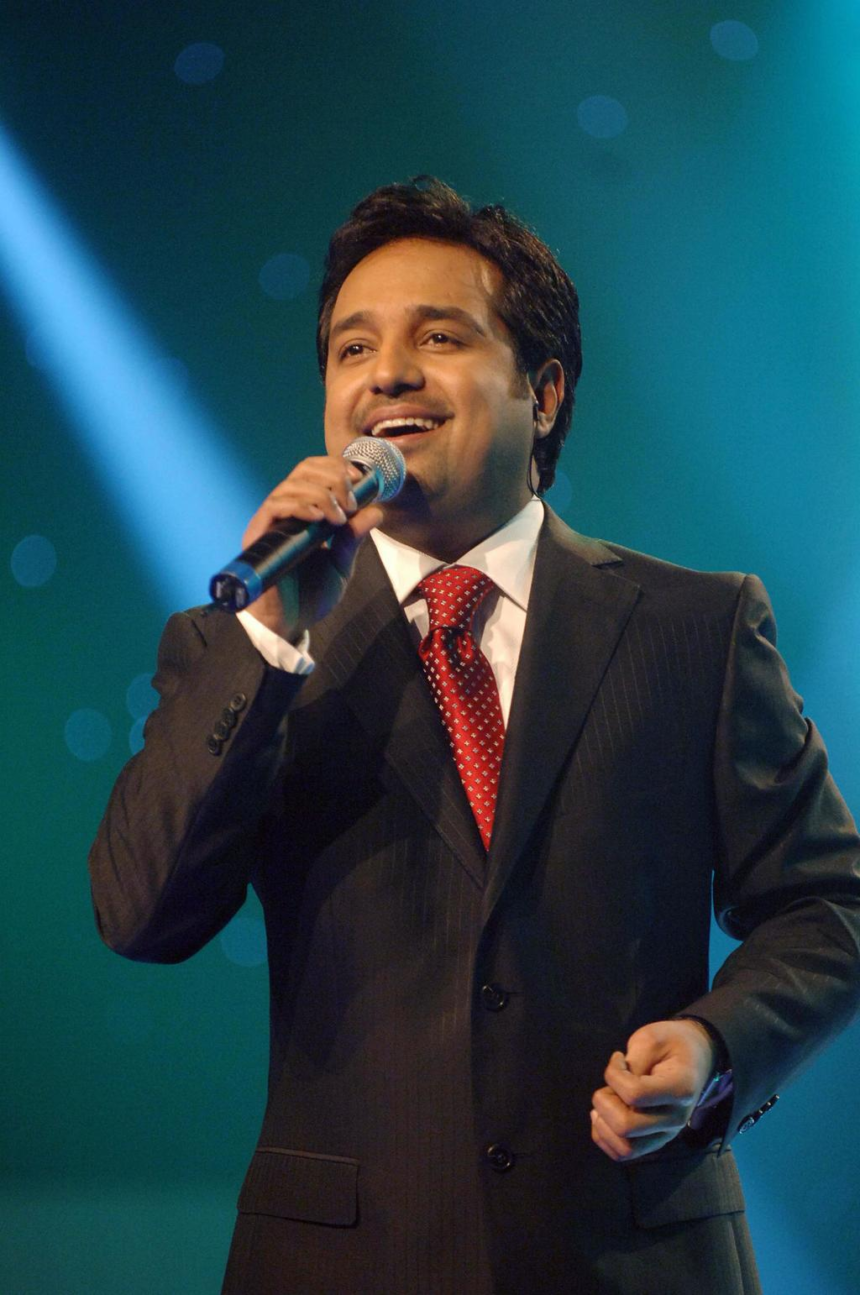
Rashed Al-Majed: When a Headliner Falls Silent — A Cultural Moment Interrupted
A Sudden Silence on an Anticipated Night
In the rhythm of Gulf music culture, few names carry the weight and anticipation of Rashed Al-Majed. Known for his enduring presence on stage and his ability to draw large audiences across the Arab world, his concerts are often positioned as anchor events—especially during festive seasons like Eid.
That is precisely why the sudden cancellation of his scheduled Eid concert on Monday, March 23, 2026, reverberated far beyond a routine event update. What was expected to be a celebratory night of music instead became a moment of concern and reflection after the artist suffered an emergency health condition that prevented him from performing.
What Happened: The Official Timeline
The sequence of events unfolded rapidly, underscoring how even large-scale productions remain vulnerable to unforeseen circumstances:
- The concert was scheduled as part of Eid celebrations in Saudi Arabia.
- Preparations were fully completed, including rehearsals by the orchestra led by Maestro Walid Fayad.
- The artist was expected to travel from London to Riyadh.
- An emergency health condition prevented his arrival and participation.
- Organizers made a last-minute decision to cancel the event.
In an official statement, organizers emphasized that the decision was made out of concern for the artist’s safety, noting their “wishes for his speedy recovery and return to his audience soon.”
Behind the Scenes: A Production Halted at the Final Stage
The cancellation did not occur in the early planning phase—it came at the most critical operational moment.
Technical teams had finalized stage design, broadcasting arrangements, and logistical coordination. The orchestra had already completed rehearsals and was preparing for the final run-through at the venue. Performers and crew were effectively on standby when the cancellation notice arrived.


This abrupt halt highlights the scale and complexity of live entertainment events in the region. Even with full readiness, a single variable—in this case, the artist’s health—can bring an entire production to a standstill.
Ticket Refunds: Process Designed for Efficiency
The refund mechanism implemented by organizers reflects an increasingly digitized event ecosystem.
What the process achieves:
It ensures that affected attendees are reimbursed quickly and without administrative friction, maintaining trust between audiences and event organizers.
How it works:



- Ticket holders receive automatic refunds.
- Funds are returned directly to electronic wallets linked to their accounts.
- No manual request or additional steps are required.
This streamlined approach, facilitated through platforms such as WeBook, minimizes disruption for fans and reinforces operational credibility.
A Broader Cultural Impact
Concerts by Rashed Al-Majed are not merely performances—they are cultural gatherings that carry emotional and social significance. His absence from a major Eid event alters the cultural landscape of the moment.
Several implications emerge:
- Audience disappointment: Fans who had anticipated a festive musical experience are left with an unexpected void.
- Industry ripple effects: Vendors, technicians, and associated personnel experience immediate operational disruption.
- Symbolic pause: In a region where music events often coincide with national and religious celebrations, the cancellation underscores the human dimension behind high-profile entertainment.
Health and Transparency in Public Life
Notably, official statements did not disclose details about the nature of the health condition. This reflects a common balance in public communication—acknowledging the issue while preserving personal privacy.
However, the repeated emphasis on “emergency health condition” and the inability to travel from London indicate that the situation was significant enough to override contractual and logistical commitments.
Such moments often recalibrate public perception, reminding audiences that even the most consistent performers operate within human limitations.
The Artist’s Recent Momentum
The cancellation comes shortly after Rashed Al-Majed delivered a successful concert in Bahrain just weeks earlier. That recent performance had reinforced his ongoing relevance and ability to draw large crowds.
This contrast—between recent activity and sudden interruption—adds to the gravity of the situation, positioning the incident as an unexpected disruption rather than part of a broader slowdown.
What Comes Next?
While no official timeline has been provided for his return, the tone of statements from organizers and affiliated companies suggests cautious optimism.
Key expectations include:
- A recovery period before resuming performances
- Possible rescheduling of canceled events
- Continued audience support upon return
Given his long-standing relationship with fans, the anticipation for his comeback is likely to remain strong.
Conclusion: More Than a Cancelled Concert
The cancellation of Rashed Al-Majed’s Eid concert is not simply an isolated event—it is a moment that reveals the intersection of culture, logistics, and human vulnerability.
At a time when the region’s entertainment industry continues to expand and professionalize, this incident serves as a reminder that even the most meticulously planned events depend on the well-being of the individuals at their center.
For now, the stage remains quiet—but not indefinitely. The expectation is not of absence, but of return.