




Radio 1: A Cultural Engine Still Shaping Modern Broadcasting
The Soundtrack of Generations
Few media institutions have maintained cultural relevance across decades quite like BBC Radio 1. Since its launch in 1967, Radio 1 has functioned not merely as a music station, but as a barometer of youth culture—reflecting shifts in taste, technology, and identity.
- The Soundtrack of Generations
- From Local Airwaves to National Reach
- The Commercial Radio Parallel
- Voice Beyond the Airwaves
- A Late-Career Return to Radio’s Roots
- The Radio 1 Legacy in Today’s Industry
- Industry Momentum: A Broader Radio Landscape
- Cultural Impact: More Than Music
- What Comes Next for Radio 1?
- Conclusion: A Station Built on Voices
From pirate radio-inspired beginnings to today’s digital-first ecosystem, Radio 1’s journey mirrors the evolution of modern broadcasting. Yet, as recent developments across the industry show, its influence continues to be shaped by the voices—past and present—that define it.
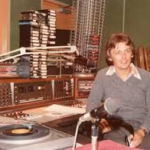
One such voice, whose career intersected with Radio 1’s formative years, was veteran broadcaster Dave Jamieson.
From Local Airwaves to National Reach
Dave Jamieson’s career provides a revealing lens into Radio 1’s wider ecosystem. Born in Edinburgh, his entry into broadcasting began in hospital radio—a common training ground for many UK presenters of his era.



His early professional work coincided with the expansion of local broadcasting, including involvement with the first BBC local radio station in Leicester. This period marked a structural shift in UK radio, where national platforms like Radio 1 were complemented by a growing network of regional voices.
Jamieson later appeared on BBC Radio 1 Club, a program that captured the station’s youthful, music-driven identity. His work also extended to BBC Scotland, illustrating the fluid movement of talent between national and regional platforms.



This cross-pollination of talent became a defining feature of Radio 1’s strength: a pipeline that allowed presenters to develop locally before scaling nationally.
The Commercial Radio Parallel
While Radio 1 remained a public-service broadcaster, the rise of commercial radio created a parallel industry that often shared talent and ideas.
Jamieson’s career moved seamlessly between both worlds. He held roles at BRMB in Birmingham and contributed to the launch of stations such as Radio Clyde in Glasgow and Mercia Sound in Coventry. His involvement in Viking Radio in Hull from its inception—presenting a program called Noticeboard—highlighted his role in building new station identities from the ground up.
These experiences reflect a broader industry pattern: Radio 1 did not operate in isolation. Instead, it existed within a dynamic ecosystem where presenters, formats, and innovations flowed between BBC and commercial networks.



Voice Beyond the Airwaves
Jamieson’s work extended into television, where he served as an out-of-vision announcer for ATV in the 1970s before moving to Central. His voice became familiar to audiences nationwide during daytime school programming.
This crossover underscores a key characteristic of Radio 1-era broadcasters: versatility. Presenters were not confined to a single medium but often became multi-platform communicators long before the term existed.
A Late-Career Return to Radio’s Roots
In recent years, Jamieson joined Boom Radio, a station designed to serve audiences often overlooked by mainstream youth-focused outlets.
He was part of its launch in 2021 and continued broadcasting from Spain, hosting Sunday morning shows after initially presenting Saturday breakfast. His continued presence on air—well into his seventies—demonstrates both personal dedication and the enduring appeal of experienced voices in radio.
Boom Radio paid tribute following his passing:
“We are so sad to share the news that our Sunday early presenter Dave Jamieson died in Spain this week.
“Dave was part of the launch of Boom Radio in 2021, agreeing without hesitation to join his old friends Les Ross, Graham Torrington, Andy Marriott, Ron Coles, Quentin Howard and Phil Riley to play his part in our plans.
“With his love and knowledge of music and his enthusiasm and commitment to Boom, he’s been a valued member of the team from afar for five years on the Saturday breakfast show initially, before moving to Sundays. He will be much missed.”
The Radio 1 Legacy in Today’s Industry
The passing of a broadcaster like Jamieson highlights a generational shift within radio. Yet, it also reinforces the foundational role that Radio 1 has played in shaping the industry.
Key structural contributions include:
-
Talent development pipelines linking local, national, and commercial radio
-
Music curation authority, influencing charts and emerging artists
-
Format innovation, from live sessions to audience interaction models
-
Cultural relevance, maintaining alignment with youth trends
Even today, Radio 1 continues to evolve, as seen in updates such as confirming new early breakfast presenters for its spring schedule. These incremental changes reflect a broader strategy: constant renewal without losing institutional identity.
Industry Momentum: A Broader Radio Landscape
The surrounding industry remains active and competitive. Recent developments include:
-
Presenter movements across networks, including BBC and commercial stations
-
Expansion of podcasts and digital audio formats
-
Increased funding and government attention toward local media
-
Collaborative campaigns between public institutions and broadcasters
These shifts indicate that while Radio 1 remains a flagship brand, it now operates within a diversified audio ecosystem where streaming, podcasting, and niche stations all compete for attention.
Cultural Impact: More Than Music
Radio 1’s influence extends beyond playlists. It has shaped:
-
Youth identity and subcultures
-
Music discovery pathways for global audiences
-
Public discourse through presenter-led conversations
-
Live event culture, including festivals and sessions
Figures like Jamieson contributed to this legacy not only through their broadcasts but through their role in building the infrastructure and ethos of modern radio.
What Comes Next for Radio 1?
Looking forward, several trends are likely to define Radio 1’s trajectory:
1. Digital-first broadcasting
With audiences increasingly consuming content online, Radio 1’s integration with streaming platforms and social media will remain central.
2. Talent diversification
The station will continue to refresh its presenter lineup to reflect evolving demographics and tastes.
3. Hybrid content formats
Expect further blending of live radio, podcasts, and video content.
4. Global reach
Despite its UK base, Radio 1’s digital presence allows it to influence international audiences more than ever before.
Conclusion: A Station Built on Voices
Radio 1’s enduring relevance is not accidental. It is the result of decades of adaptation, innovation, and—most importantly—people.
The career of Dave Jamieson illustrates how individual broadcasters contribute to a much larger narrative. From hospital radio beginnings to national platforms and later digital-era stations, his journey mirrors the evolution of the industry itself.
As Radio 1 continues to evolve, its legacy will remain anchored in voices like his—voices that inform, entertain, and connect generations.