


Pune: A City Where Heritage, Growth, and Change Intersect
Introduction: A City in Motion
Pune has long held a distinctive place in India’s urban landscape. Known as the “Oxford of the East” for its academic institutions and as a major industrial and IT hub, the city represents a dynamic blend of history, culture, and rapid modernization. Over centuries, Pune has evolved from a strategic political center of the Maratha Empire into a modern metropolis with a population exceeding 7 million in its metropolitan region.
- Introduction: A City in Motion
- From Peshwa Power to Modern Metropolis
- The Economic Engine of Western India
- Pune Today: A City Facing Real-Time Challenges
- A City Defined by Its Culture and Landmarks
- Urban Growth and Social Complexity
- Looking Ahead: Pune’s Future Trajectory
- Conclusion: A City Balancing Legacy and Transformation
Today, Pune is not only a center of education and industry but also a city navigating contemporary challenges—from urban expansion to infrastructure pressures and shifting climate patterns. Recent developments reflect a city actively balancing its heritage with its future.
From Peshwa Power to Modern Metropolis
Historical Roots That Still Shape the City
Pune’s story dates back over a millennium, with early references found in inscriptions from the Rashtrakuta period. The city gained prominence during the era of the Maratha Empire, particularly under the leadership of figures like Baji Rao I, who transformed Pune into a political and administrative center in the 18th century.
Landmarks such as the iconic Shaniwar Wada and historic temples reflect this legacy, while institutions like Savitribai Phule Pune University highlight the city’s enduring role in education.
Over time, Pune transitioned through Mughal and British rule before emerging as a key center of social reform and nationalist movements. Influential figures such as Bal Gangadhar Tilak and Jyotirao Phule contributed significantly to India’s independence and social progress from this city.


The Economic Engine of Western India
Industry, IT, and Global Connectivity
Modern Pune is widely recognized as one of India’s leading economic centers. With a GDP estimated at around $78 billion, the city has established itself as a major hub for:
- Information technology
- Automobile manufacturing
- Engineering industries
Technology parks in areas such as Hinjewadi and Kharadi have attracted global companies, while manufacturing clusters continue to drive employment and innovation.
This economic expansion has also triggered large-scale migration, contributing to rapid population growth and urban sprawl. The influx of workers from across India reflects Pune’s strong pull as a city of opportunity.



Pune Today: A City Facing Real-Time Challenges
Weather Shifts and Urban Disruption
Recent developments highlight how Pune’s growth intersects with environmental unpredictability. Authorities have issued an orange alert warning of sudden weather changes, including thunderstorms and moderate to heavy rainfall in certain areas.
After a period of dry conditions, the city is now experiencing:
- Increased cloud cover
- Intermittent rainfall
- Potential localized heavy showers
These changes are linked to rising atmospheric moisture and evolving regional weather systems.
In practical terms, this has already impacted daily life. Sudden downpours have caused:
- Traffic congestion
- Waterlogging in key localities
- Temporary power outages
For residents, these shifts underscore the growing importance of climate preparedness in urban planning.
Infrastructure and Resource Pressures
Urban growth has also placed pressure on essential services. For example, recent concerns around LPG supply triggered investigations into alleged black marketing, despite assurances that overall supply remains adequate.
Officials noted that daily LPG demand in Pune ranges between 90,000 and 100,000 cylinders, with sufficient stock available. However, reports of shortages in certain areas prompted government action to ensure fair distribution.
Such incidents highlight a broader theme: as cities grow, maintaining efficient supply chains becomes increasingly complex.
A City Defined by Its Culture and Landmarks
Despite rapid modernization, Pune retains a strong cultural identity rooted in its landmarks and traditions. Historic sites such as:
- Pataleshwar Caves (8th century rock-cut architecture)
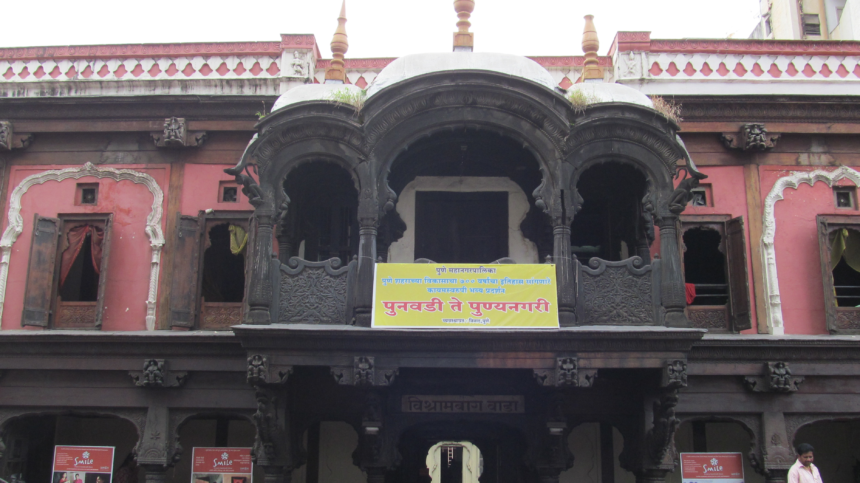
- Vishrambaug Wada (Peshwa-era residence)
- Fergusson College (19th-century academic institution)
- Mahatma Phule Mandai (iconic marketplace)
continue to connect the present with the past.
These locations are not just tourist attractions—they are active parts of the city’s daily life, illustrating how Pune integrates heritage into its modern identity.
Urban Growth and Social Complexity
Expansion and Inequality
Pune’s rapid development has led to the expansion of suburbs and planned townships, but it has also created disparities. Approximately 36% of the population lives in slum areas, reflecting challenges in housing and infrastructure provision.
At the same time, integrated townships and IT corridors present a contrasting image of modern urban living, creating a city of sharp contrasts.
Governance and Planning
The Pune Municipal Corporation oversees urban management, including water supply, waste collection, and infrastructure development. While governance systems have improved, issues such as waste management and river pollution remain ongoing concerns.
Looking Ahead: Pune’s Future Trajectory
Pune’s future will likely be shaped by how effectively it manages three critical areas:
1. Climate Adaptation
With increasing weather variability, resilience planning will become essential to avoid disruptions.
2. Infrastructure Expansion
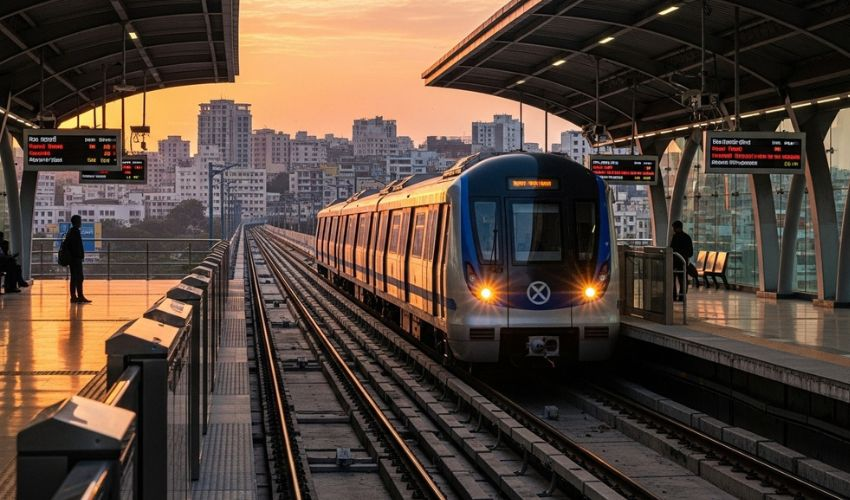
Transport systems, housing, and utilities must scale alongside population growth.
3. Economic Diversification
While IT and manufacturing remain dominant, emerging sectors such as biotechnology and renewable energy could define the next phase of growth.
The city’s ability to align development with sustainability will determine its long-term livability and global competitiveness.
Conclusion: A City Balancing Legacy and Transformation
Pune stands at a unique crossroads. Its historical significance, cultural richness, and economic strength position it as one of India’s most important urban centers. At the same time, recent developments—from sudden weather disruptions to infrastructure challenges—illustrate the pressures of rapid growth.
What makes Pune compelling is not just its past or present, but its ongoing evolution. It remains a city that continues to adapt, expand, and redefine itself—while holding onto the legacy that made it significant in the first place.