



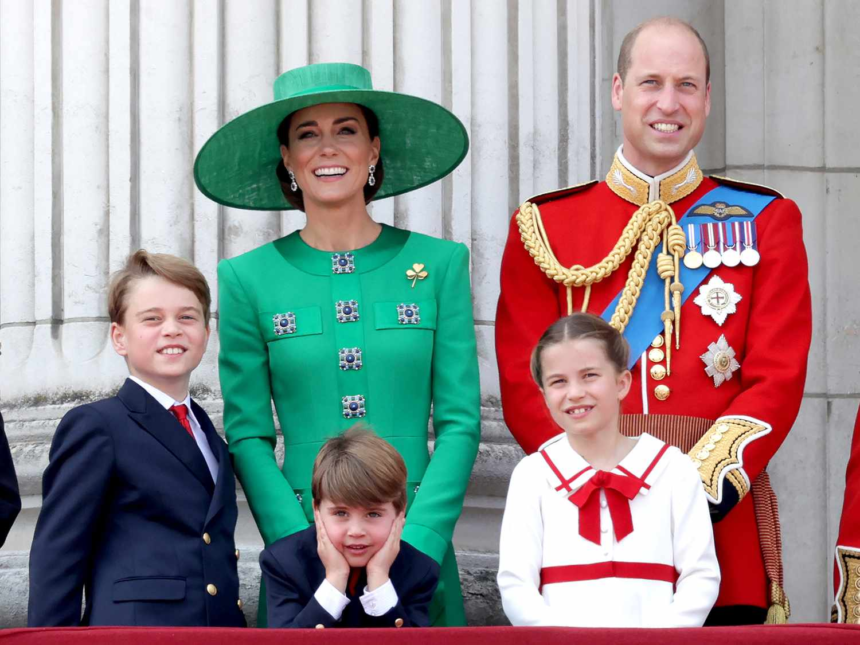
Catherine, Princess of Wales: A Modern Royal Figure Shaping the Future of the Monarchy
Introduction: A Royal Life Under Global Attention
Few members of the modern monarchy command as much global attention as Catherine, Princess of Wales. Known widely as Princess Catherine or Kate Middleton, she has evolved from a university student into one of the most influential figures within the British royal family.
- Introduction: A Royal Life Under Global Attention
- Background: From Kate Middleton to Princess of Wales
- Family Life: A Central Pillar of Her Public Identity
- Public Role and Royal Duties
- Health and Public Interest: “How Is Catherine Doing?”
- Easter 2026: Symbolism and Expectations
- Physical Presence and Public Image
- Media Coverage and Public Narrative
- Net Worth and Financial Standing
- Cultural Impact: A Modern Royal Archetype
- Future Outlook: What Lies Ahead?
- Conclusion: Stability, Continuity, and Influence
Her life today is defined by a balance between royal duty, family responsibilities, and public expectations. From her role as a mother to her growing influence in charitable initiatives, Catherine represents a contemporary model of royal service—measured, strategic, and increasingly impactful.
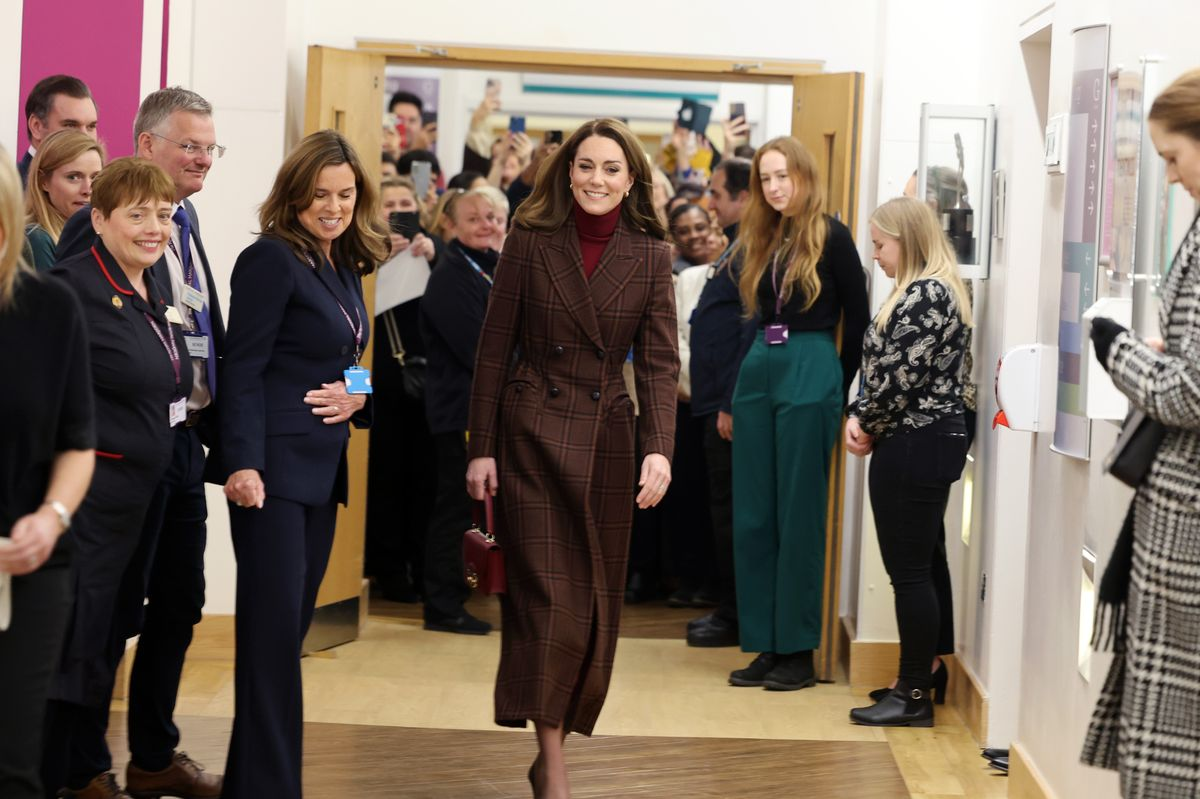
Background: From Kate Middleton to Princess of Wales
Catherine Elizabeth Middleton was born on January 9, 1982, making her currently in her early 40s. She met Prince William while studying at the University of St Andrews, and their relationship gradually became one of the most closely followed royal romances in modern history.
Their marriage in 2011 marked a turning point for the monarchy, signaling a blend of tradition and modernity. When William became Prince of Wales, Catherine assumed the title Princess of Wales—one historically associated with figures such as Diana, Princess of Wales.
Family Life: A Central Pillar of Her Public Identity
At the core of Catherine’s public image is her role as a mother. She and Prince William have three children:


- Prince George of Wales
- Princess Charlotte of Wales
- Prince Louis of Wales
Among them, Princess Charlotte has frequently drawn public interest for her confident demeanor during royal appearances, often mirroring her mother’s composure and awareness.
Catherine’s parenting style has been widely discussed as notably hands-on compared to previous royal generations. She emphasizes normalcy, structured routines, and emotional development—an approach aligned with her advocacy work in early childhood development.
Public Role and Royal Duties
As Princess of Wales, Catherine plays a significant role in representing the monarchy both domestically and internationally. Her engagements typically focus on:
- Early childhood development
- Mental health awareness
- Education and family welfare
- Arts and culture
Her initiatives have helped reposition the monarchy as more socially engaged and aligned with contemporary issues. Rather than ceremonial appearances alone, her work increasingly reflects long-term policy-oriented advocacy.



Health and Public Interest: “How Is Catherine Doing?”
In recent years, public curiosity around Catherine’s well-being has intensified. Questions such as “How is Catherine, Princess of Wales doing?” reflect the level of emotional investment the public has in her role.
While official updates remain carefully managed, her appearances—when they occur—are closely analyzed for insight into her health and activity levels. The monarchy has maintained a measured approach, balancing transparency with privacy.
This dynamic highlights a broader issue: the tension between public interest and personal boundaries within royal life.
Easter 2026: Symbolism and Expectations
Events like Easter celebrations remain central to royal tradition, often serving as moments when the public sees the family together. Interest in “Princess Catherine Easter 2026” reflects anticipation of her participation in such symbolic occasions.
Easter services, particularly those attended at Windsor, are not just religious observances—they are visual affirmations of continuity, unity, and stability within the monarchy.
Catherine’s presence at such events is often interpreted as a signal of her current role and standing within royal duties.
Physical Presence and Public Image
Catherine’s height—approximately 5 feet 9 inches (175 cm)—contributes to her commanding yet elegant public presence. Combined with her fashion choices, posture, and composure, she has become a global style icon.
Her public image is carefully curated but also consistent:
- Poised but approachable
- Formal yet relatable
- Traditional with modern sensibilities
This balance has been instrumental in maintaining her popularity across diverse audiences.
Media Coverage and Public Narrative
Publications such as Daily Mail frequently cover Catherine’s appearances, family life, and evolving role. Media narratives often oscillate between admiration and scrutiny.
Key themes in coverage include:
- Her parenting approach
- Her fashion influence
- Her health updates
- Her relationship with other royal figures
This sustained media attention reinforces her status as one of the most visible members of the royal family.
Net Worth and Financial Standing
As a senior royal, Catherine’s personal net worth is often discussed, though exact figures vary. Her financial position is tied to:
- Royal funding structures
- Inherited assets and family wealth
- Shared resources with Prince William
More importantly, her value within the monarchy is not measured solely in financial terms but in influence, public trust, and institutional continuity.
Cultural Impact: A Modern Royal Archetype
Catherine represents a shift in how royal figures are perceived:
- From ceremonial to strategic
- From distant to relatable
- From symbolic to influential
Her focus on early childhood development, in particular, positions her work within a long-term societal framework rather than short-term visibility.
This evolution reflects broader changes within the monarchy as it adapts to a rapidly changing global environment.
Future Outlook: What Lies Ahead?
Looking forward, Catherine’s role is expected to expand significantly. As the monarchy transitions through generational change, she is likely to become:
- A central figure in royal leadership
- A key representative in international diplomacy
- A leading advocate for social and developmental issues
Her trajectory suggests a carefully managed progression toward greater responsibility and visibility.
Conclusion: Stability, Continuity, and Influence
Catherine, Princess of Wales, stands at a critical intersection of tradition and transformation within the British monarchy. Her life—spanning family, duty, and public expectation—reflects the evolving nature of royal service in the 21st century.
Whether through her role as a mother, her public engagements, or her symbolic presence at events like Easter, she continues to shape how the monarchy is perceived both in the United Kingdom and globally.
Her influence is not defined by a single moment but by a sustained, deliberate approach to modern royal life.