
Pinkpop 2026 Line-Up Complete: A Festival Balancing Icons and Emerging Talent
A Defining Moment for Pinkpop 2026
The full line-up for Pinkpop 2026 has now been confirmed, marking the final stage in the festival’s carefully phased announcement strategy. On Tuesday, organizers revealed the last 18 names, completing a roster that blends global headliners with a new generation of artists poised to shape the future of live music.
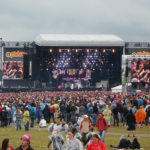
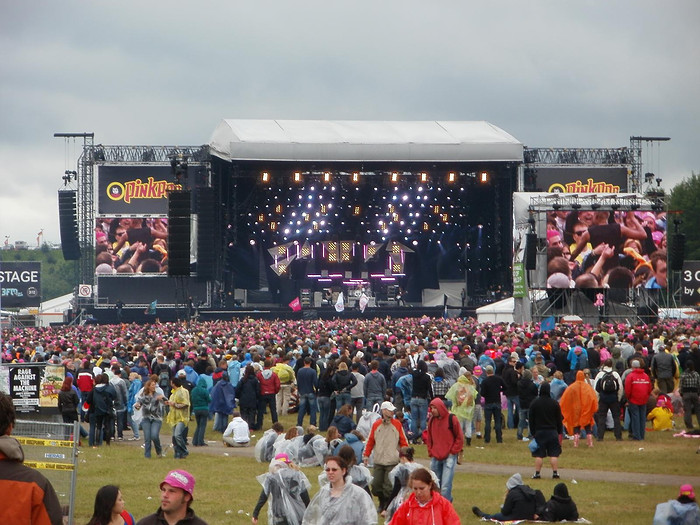
Scheduled for June 19, 20, and 21 in Landgraaf, the festival once again positions itself as a cornerstone of Europe’s summer music calendar—one that balances commercial appeal with artistic discovery.
Headliners Set the Tone
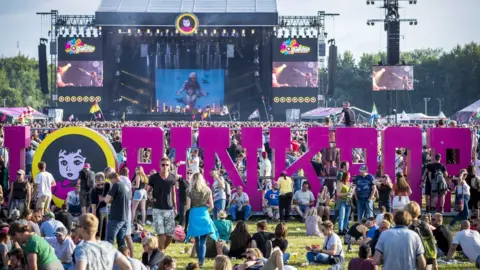
At the top of the bill are three globally recognized acts: Foo Fighters, The Cure, and Twenty One Pilots. Their presence anchors the festival with broad cross-generational appeal, spanning alternative rock, post-punk revival, and modern pop-rock.
These headliners were confirmed earlier, alongside a wider group of established names including Editors, Teddy Swims, YUNGBLUD, and Zara Larsson. Together, they form the backbone of a 63-artist lineup that reflects both mainstream popularity and genre diversity.
The Final 18 Names: Spotlight on Discovery
The latest announcement completes the lineup with a strong emphasis on emerging talent and lesser-known acts. Among the newly confirmed artists are:

- Sofia Camara
- Ben Ellis
- Chezile
- YONG YELLO
- Isabel van Gelder
- Buffalo Traffic Jam
- Die Spitz
- Ecca Vandal
- HotWax
- NAFT
- Wodan Boys
- Thijs Boontjes
- JERUB
- LEAP
- Leila Lamb
- VOILÀ
- Linka Moja
- Daði Freyr
These artists are primarily scheduled to perform on Stage 4, the festival’s smallest platform. This stage has become a strategic space for introducing audiences to new voices, offering a contrast to the high-profile main stage acts.
The inclusion of Icelandic multi-instrumentalist Daði Freyr—known for his international hit Think About Things and Eurovision participation—adds a recognizable name within this emerging tier.
A Line-Up Built in Phases
Pinkpop’s approach to announcing its line-up is deliberate and incremental. Earlier in the year, artists such as Natasha Bedingfield, Halsey, Soulwax, and Tom Morello were added in a second wave of announcements.
The final reveal of 18 additional names is not simply a formality—it completes a narrative arc that builds anticipation while gradually showcasing the festival’s range. This staggered strategy also allows organizers to maintain sustained visibility in a crowded festival market.
The Scale and Legacy of Pinkpop
Pinkpop’s significance extends beyond a single year’s line-up. Established in 1970, it is recognized as the longest-running continuous annual pop music festival in the world, held in Landgraaf at the Megaland site.
Over decades, the festival has hosted hundreds of acts and attracted millions of visitors, evolving into a three-day event with multiple stages and a capacity reaching tens of thousands per day.
This historical continuity shapes how each new edition is perceived—not just as a lineup announcement, but as part of an ongoing cultural institution.
A Strategic Balance: Mainstream vs. Emerging Talent
The 2026 line-up reflects a clear structural balance:
- Headliners and major acts deliver ticket-selling power and global recognition.
- Mid-tier performers bridge commercial success with artistic credibility.
- Stage 4 artists provide a platform for discovery and future growth.
This tiered approach allows Pinkpop to cater to diverse audience segments—from fans seeking iconic performances to those interested in exploring new music.
Cultural and Industry Implications
The emphasis on emerging talent is particularly significant in today’s festival landscape. With streaming platforms accelerating artist discovery, festivals increasingly function as validation spaces where new acts transition from digital popularity to live performance credibility.
By dedicating an entire stage to smaller acts, Pinkpop reinforces its role not just as an entertainment event, but as a curator of musical trends.
At the same time, the presence of legacy acts like The Cure ensures continuity, appealing to long-time festival-goers and maintaining the event’s historical identity.
What This Means for Festival-Goers
For attendees, the completed line-up offers a layered experience:
- Major headline performances for large-scale spectacle
- Mid-tier acts for genre diversity
- Emerging artists for discovery and intimacy
This structure encourages movement across stages, creating a dynamic festival environment rather than a single focal point.
Looking Ahead
With the full roster now confirmed, attention will shift to scheduling, stage allocations, and live performance expectations. Given Pinkpop’s track record, the festival is likely to deliver a mix of high-production headline shows and breakthrough moments from lesser-known artists.
The 2026 edition ultimately reinforces Pinkpop’s dual identity: a platform for global music icons and a launchpad for the next wave of talent.