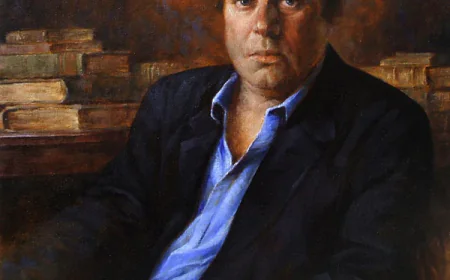
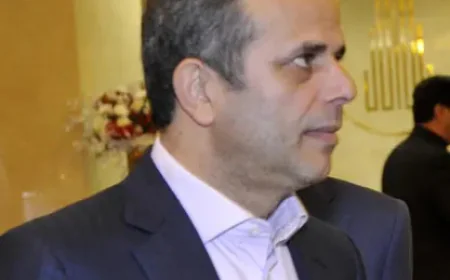
Pierre Castel Net Worth, Relationships, Age/Birthdate & Birthday
Overview of Pierre Castel — net worth, relationships, age/birthdate, and birthday.
 loveness92
Pierre Castel: The Quiet Architect Behind a Beverage Empire
From Humble Beginnings in Bordeaux to a Global Beverage Empire
Born on October 17, 1926 in Berson, Gironde (a small commune in southwestern France), Pierre Jesus Sebastian Castel — known simply as Pierre Castel — grew up the sixth of nine children in a modest family of Spanish immigrants. His father, a vineyard laborer turned small wine merchant, introduced him early to the world of vineyards and wine trading.
From a young age, Castel worked the vines alongside his father and siblings — an early immersion in viticulture that would shape his future. As soon as he reached adulthood, around 1949, he and his siblings founded Castel Frères in Bordeaux. What started as a modest negociant (wine merchant) business would, over decades, evolve into one of the world’s largest privately held beverage conglomerates.
Castel’s vision was simple yet bold: own vineyards; control production; manage distribution. With that vertical-integration strategy, he transformed Castel Frères into Castel Group — a powerhouse spanning wine, beer, soft drinks, and more.
But Castel didn’t stop in Europe. Seeing opportunity overseas, he turned his gaze to Africa. Between the 1950s and 1970s, he began exporting wines to West and Central Africa — a move that soon expanded into direct investment: building breweries, bottling plants, and distribution networks across dozens of African countries.
This strategic pivot — from Bordeaux’s vineyards to Africa’s bustling beverage markets — became the foundation of Castel’s massive success.
Building an African Stronghold: Beer, Wine, and Soft Drinks in Emerging Markets
Under Pierre Castel’s direction, Castel Group evolved into a dominant player across continents. The company owns hundreds of hectares of vineyards in France and abroad, and operates dozens of wineries, breweries, and bottling plants.
In Africa, Castel’s presence became especially formidable. By 2023, the group reportedly had a turnover in the billions of euros and employed tens of thousands across around 20 African countries.
Its business in Africa remains core to the group's profitability — by some estimates, it accounts for the vast majority of profits.
Meanwhile, the wine division in Europe — once the founding business — continued to thrive. Castel Group remains the largest French wine producer and one of the top wine producers globally.
This dual-track model — high-volume beverages in emerging markets plus prestige wines in Europe — has underpinned decades of sustained growth and resilience.
The Numbers: Wealth, Influence, and Corporate Scope
Estimating the wealth of private individuals — especially those who manage privately held conglomerates — is always fraught with uncertainty. But several reliable sources converge on a recognition of Pierre Castel as one of France’s wealthiest individuals.
-
According to a 2019 estimate, Pierre Castel and his family had a net worth of US$15.6 billion, which placed them among the top global billionaires and among the richest families in France.
-
Back in 2015, earlier assessments valued the family fortune closer to US$9.9 billion.
Beyond numbers, the scale of Castel’s enterprise gives a tangible sense of his influence: the group produces hundreds of millions of bottles of wine annually, manages vineyards spanning thousands of hectares, and maintains a dominant footprint across European wine markets and African beer and soft-drink markets.
Under his leadership, Castel Group has grown into a vertically integrated empire — from grape to glass — with vast reach, deep market penetration, and high operational control.
A Private Life — Matrimony, Legacy, and a Low-Profile Persona
Despite his wealth and global influence, Pierre Castel has long maintained a low public profile. Known for discretion, he has avoided media attention and has rarely offered interviews.
Public records indicate that he is married and resides in Geneva, Switzerland.
Details about his spouse or private relationships are scarce; the family has guarded those aspects closely. As a result, much of what is publicly known about his personal life centers on his entrepreneurial legacy, corporate empire, and philanthropic gestures rather than personal romantic history.
Interestingly, while the business is a multi-generational venture, Castel has not turned it into a flashy dynasty. Instead, decision-making and control remain tightly held, and his children (or extended family) are rarely spotlighted.
Navigating Controversy: Taxes, Secrecy, and Succession Planning
Success at Castel’s scale inevitably attracts scrutiny. In 2022, a Swiss court ordered him to pay approximately US$416 million in back taxes, citing allegations that he had used a different name on tax returns for decades after relocating to Switzerland in 1981.
The case reignited public debate over tax avoidance, offshore holdings, and the transparency of multinational conglomerates rooted in historically colonial trade networks. Castel’s longstanding preference for discretion — reportedly avoiding mobile phones and computers, preferring handshake deals — only adds to the mystique surrounding his empire.
Meanwhile, questions about succession have floated for years. Although Castel remains the patriarch, internal documents suggest that in recent years he has ceded operational control to professional management, while ownership is arguably held through a complex web of holdings and trusts across jurisdictions.
Whether this structure ensures continuity of the empire or sets the stage for fragmentation remains one of the great business dramas of the beverage world.
Why Pierre Castel’s Story Matters — Legacy of a Quiet Visionary
Pierre Castel’s story isn’t one of celebrity or flamboyant lifestyle. It’s not about red carpets or public personas. Rather, it’s about vision, grit, and strategy. A boy from a poor immigrant family in rural France, learning the vine from his father — yet dreaming bigger than the horizon he knew.
He turned modest wine trading into a sprawling international empire. He saw opportunity where others saw obstacles — in Africa’s emerging markets, in the logic of vertical integration, in underserved consumers.
Today, the name Castel might not ring loud in European high society, but in many African markets, the company he built is a daily companion: in beer, soft drinks, even water. In that sense, Pierre Castel helped shape modern consumption patterns across continents.
His legacy is one of quiet influence: a legacy not of flash, but of foundation. He built something real. And for a man born among vineyards and hardship, that might be the most powerful legacy of all.