


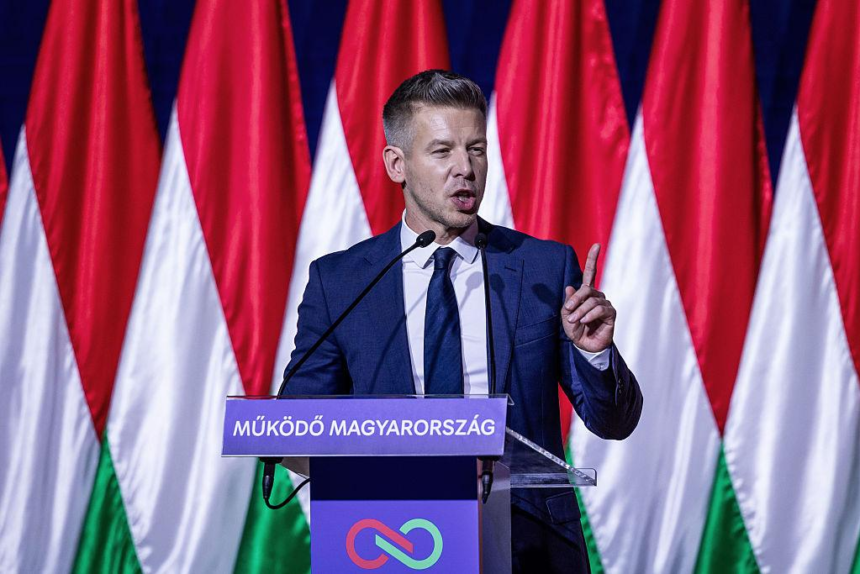
Péter Magyar: The Insider Who Rewrote Hungary’s Political Future
A Political Earthquake in Europe
In April 2026, Hungary witnessed one of the most dramatic political transformations in modern European history. After 16 years of dominance, Prime Minister Viktor Orbán was defeated in a sweeping electoral upset led by Péter Magyar—a 45-year-old former insider who turned against the system he once served.
The scale of the victory was decisive. Preliminary results showed Magyar’s Tisza party securing around 138 of the 199 parliamentary seats, comfortably surpassing the two-thirds threshold required for constitutional reforms. This outcome not only ended Orbán’s long-standing rule but also marked a structural shift in Hungary’s political direction.
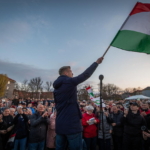
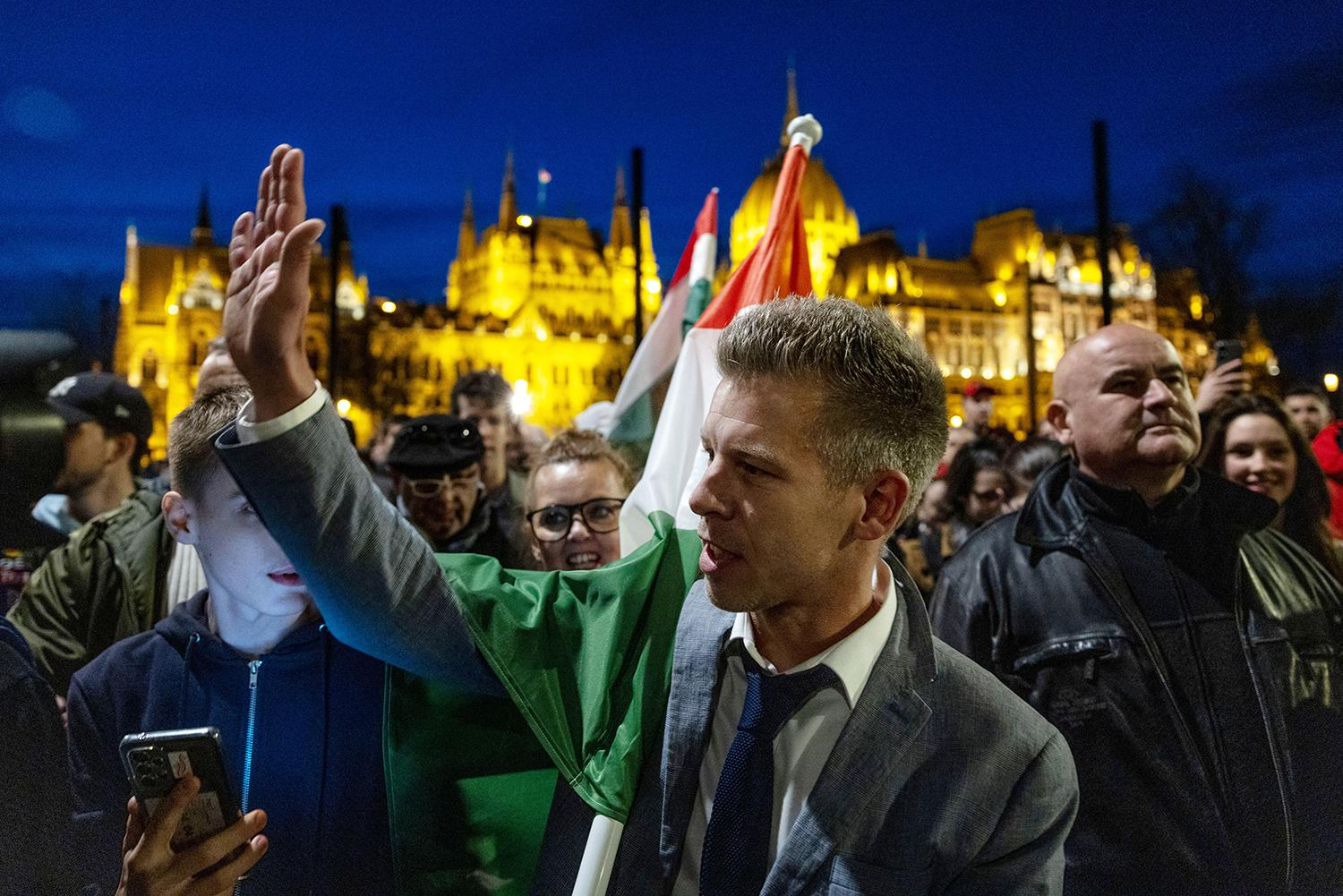
Standing before jubilant supporters along the Danube in Budapest, Magyar declared:
“Together we overthrew the Hungarian regime.”
The moment was widely seen as more than a victory—it was a reset.
From Loyalist to Challenger
Péter Magyar’s rise is unusual by political standards. A trained lawyer, he spent years embedded within Hungary’s political and institutional framework, including ties to the ruling Fidesz party.
His transformation began in 2024 following a major political scandal involving his former spouse, Judit Varga. The controversy exposed internal fractures within the ruling establishment and triggered Magyar’s public break from the system.
What followed was a rapid ascent:
- Viral public interviews criticizing corruption
- A grassroots campaign reaching towns and rural communities
- A reform-focused platform centered on governance and accountability
Within two years, Magyar evolved from an insider critic into a national political force capable of defeating one of Europe’s most entrenched leaders.
The Campaign That Changed Everything
Unlike Orbán’s campaign—which leaned heavily on geopolitical messaging—Magyar focused almost entirely on domestic concerns. His strategy targeted issues that resonated with everyday voters:


- Economic stagnation
- Corruption and patronage networks
- Public services such as healthcare and transport
This approach proved effective. Magyar built a broad coalition that cut across ideological lines, attracting conservatives disillusioned with Orbán as well as liberals seeking systemic reform.
His campaign style also stood out. He conducted an intense nationwide tour, sometimes delivering up to seven speeches per day, establishing direct contact with voters across the country.
The Fall of a Dominant Political Era
For over a decade, Viktor Orbán had reshaped Hungary’s political system, securing four consecutive election victories and consolidating power across institutions, including the judiciary and media.
His model, often described as an “electoral autocracy,” faced growing criticism both domestically and within the European Union.
By 2026, several factors converged to weaken his position:
- Public fatigue after prolonged single-party dominance
- Allegations of systemic corruption
- Economic pressures and isolation from EU funding
Orbán himself acknowledged the defeat, calling the result “clear and painful.”
The transition was swift—what once appeared politically unassailable collapsed in a single election cycle.
What Magyar’s Victory Means
1. A Mandate for Structural Reform
With a constitutional majority, Magyar is positioned to implement sweeping changes, including:
- Restoring judicial independence
- Reforming healthcare and education systems
- Dismantling entrenched patronage networks (often referred to as “NER”)
This level of authority gives his administration the capacity to fundamentally reshape Hungary’s institutional framework.
2. A Shift in Foreign Policy Direction
Magyar’s victory signals a notable pivot in Hungary’s international alignment.
Under Orbán, Hungary maintained close ties with Vladimir Putin and often clashed with the European Union. Magyar, by contrast, has pledged to:
- Rebuild relations with the EU
- Strengthen cooperation with Ukraine
- Unlock billions in frozen EU funds
This repositioning could significantly alter Hungary’s role within Europe’s political landscape.
3. Global Repercussions
Orbán’s defeat extends beyond Hungary’s borders. His leadership had been influential among global nationalist movements, including figures aligned with Donald Trump.
The election outcome is widely viewed as a setback for that model of governance, demonstrating that even deeply entrenched political systems can be overturned when public sentiment shifts.
Public Reaction: Celebration and Caution
The immediate aftermath of the election was marked by widespread celebration. Budapest’s streets filled with supporters waving flags, honking car horns, and marking what many described as a historic turning point.
Magyar captured the emotional weight of the moment in his victory speech:
“You performed a miracle today, Hungary made history today.”
However, optimism is tempered by caution. Some voters remain uncertain about:
- His past ties to the previous regime
- The feasibility of rapid reforms
- The durability of his broad political coalition
This mix of hope and skepticism will shape the early phase of his leadership.
The Road Ahead
Magyar has emphasized that rebuilding Hungary will not be immediate. He has pledged to dismantle the previous system “step by step, brick by brick.”
Key early priorities include:
- Institutional reform
- Anti-corruption measures
- Economic stabilization
- Re-engagement with European partners
At the same time, challenges remain significant. Orbán-era structures are deeply embedded, and resistance from within institutions is likely.
A Defining Moment for Hungary
Péter Magyar’s victory represents more than a change in leadership—it marks the collapse of a long-standing political order and the emergence of a new phase in Hungary’s democratic evolution.
It demonstrates that political systems, even those reinforced over many years, remain vulnerable to public pressure when credible alternatives emerge.
Whether Magyar’s movement translates electoral momentum into lasting reform will determine if this moment becomes a permanent transformation—or a temporary disruption in Hungary’s political trajectory.