Pete Best Net Worth, Relationships, Age/Birthdate & Birthday
Overview of Pete Best — net worth, relationships, age/birthdate, and birthday.
 loveness92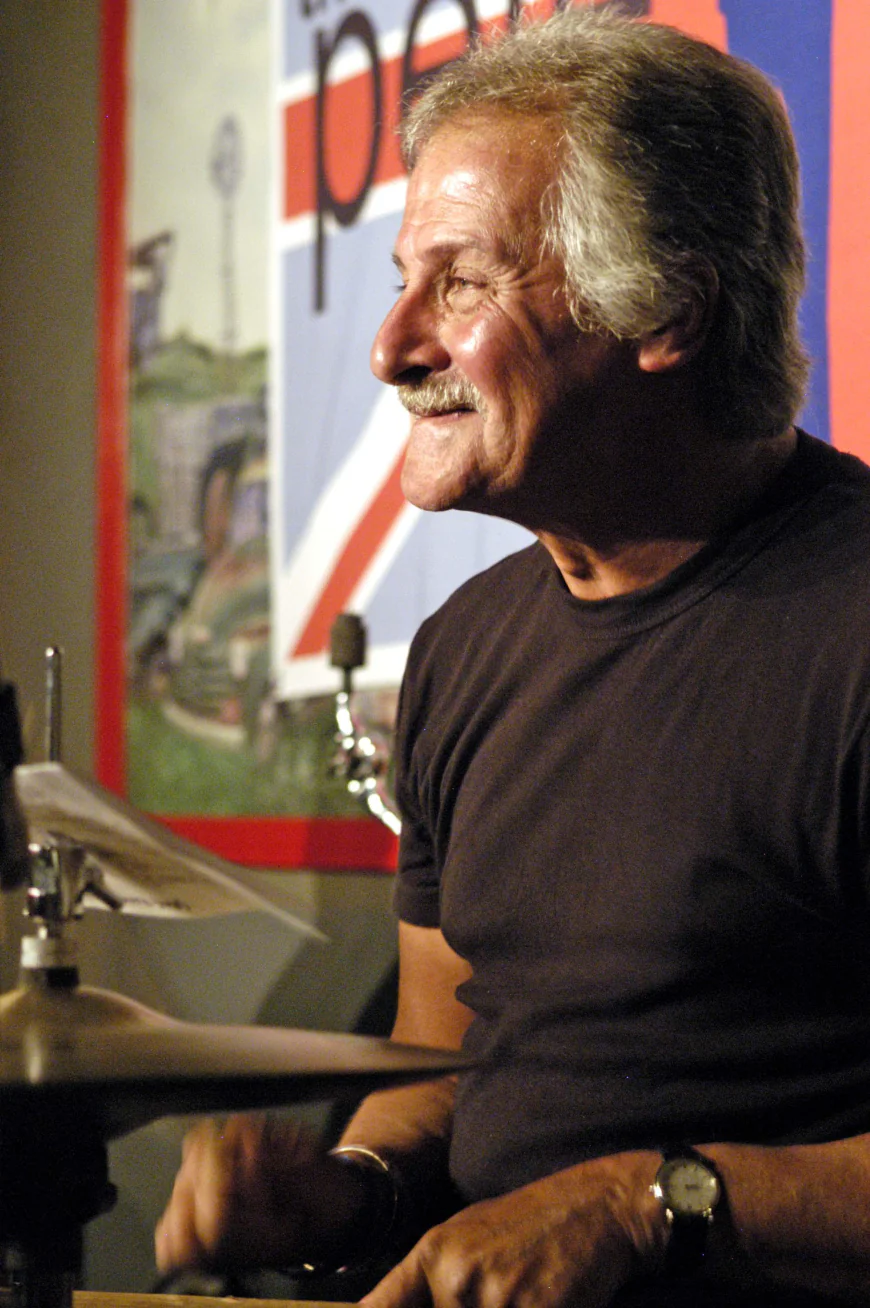
The Unlikely Legacy of Pete Best — From Early Promise to Quiet Vindication
For decades, Pete Best has occupied one of rock ’n’ roll’s most enigmatic footnotes — the man who nearly became a global legend, only to be replaced just before his band attained stratospheric fame. Yet his journey encompasses far more than “what ifs.” From humble beginnings to unexpected financial windfalls and a life redefined on his own terms, Best’s story is a testament to resilience, reinvention, and the twisty currents of musical history.
Born in Transit, Raised in the Shadows of Stardom
Pete Best was born Randolph Peter Scanland on November 24, 1941, in Madras (now Chennai), then part of British India. His birthdate — November 24 — would later be recognized by fans every year as the birthday of one of the most talked-about “what might have been” figures in rock history. His early life was shaped by change: his mother, Mona Best, moved the family to Liverpool, where she would eventually open a modest but culturally significant venue in the basement of their home — the Casbah Coffee Club.
That basement club became a critical early stage for music history, hosting fledgling sets by a group known then as the Quarrymen — a band that would evolve into the legendary The Beatles. It was through this connection that the young Pete Best would cross paths with John Lennon, Paul McCartney, George Harrison and other figures who would become icons.
A Brief Spotlight: Drumming Through the Dawn of The Beatles
In August 1960, the group invited Best to join them as their drummer — just in time for their first residency in Hamburg. For those early years, Best was more than just a drummer: he was a fixture in the band’s public identity. His presence, looks, and energy reportedly made him a fan favorite during live gigs, especially among the exuberant early Beatles audience.
But when it came to studio work and recording contracts, things began to shift. As the group prepared for their first professional recordings under the Parlophone label with producer George Martin, Martin and the record engineers expressed doubts about Best’s suitability for studio drumming — citing concerns over timing and technical consistency.
On August 16, 1962, Best was dismissed from the band. He was replaced by Ringo Starr — a move that, in hindsight, preceded The Beatles’ meteoric rise by mere months.
Life After the Break: Withdrawal, Reinvention, and Reflection
The blow of being ousted from what would become the biggest band in history was hard. For a time, Best attempted to carry on in music — joining other groups, touring, hoping to recreate success. Those ventures, however, fell short of the astronomical heights his former bandmates would reach.
Eventually, disillusioned, he stepped away from the music industry altogether. For roughly two decades, he worked as a civil servant in Liverpool — a far cry from drumming under bright lights.
Years later, in the late 1980s, Best returned to music. He formed the Pete Best Band, embracing a different pace and a different vision of success than the one that eluded him back in the early 1960s.
In interviews and public reflections, he has stated that while being dismissed hurt him — emotionally and psychologically — he has no lasting bitterness. He often frames his story not as one of regret, but as one of survival and self-acceptance: a narrative of picking up the pieces and shaping a life beyond the spotlight.
Wealth, Value — And the Long Shadow of What’s Lost
For many years, Best’s financial situation was modest. Some sources — like a profile on the entertainment website “The Richest” — estimated his net worth around US$600,000. Others, factoring in later royalties and renewed interest in his story, estimated a significantly higher figure — in the ballpark of US$4 million.
The turning point came in 1995 with the release of Anthology 1, a retrospective compilation from The Beatles that included a number of tracks on which Best had played drums. That release reportedly generated royalties that provided Best with a financial windfall long after he had left the band — a belated recognition of his early contribution, and one that many view as a form of retroactive justice.
In that light, his estimated net worth — whether nearer $600,000 or closer to $4 million — seems less a measure of superstardom than of survival, history, and the odd geometry of fame where timing can define legacy.
The Man Behind the Myth: Relationships, Reflection, and Retirement
Despite being cast as the “what-if” figure in rock history, Pete Best’s personal life reveals stability and quiet dignity. He married his wife, Kathy Best, in 1963 — just a year after his departure from The Beatles. The couple built a family together, raising two daughters and later welcoming grandchildren.
In April 2025, after decades of performing — including the later years with the Pete Best Band — he announced his retirement from live performances and public appearances. According to his brother, the decision was influenced by personal circumstances. Best himself acknowledged the journey with gratitude, saying simply, “I had a blast. Thank you.”
Throughout his life, Best has seldom spoken bitterly of his dismissal. In a 2020 interview, he admitted that the decision had caused him pain and confusion — but he also underscored that the other Beatles acted out of business logic, not malice. “They made a decision as young men safeguarding their future,” he said — a stance he reiterated with acceptance and even empathy.
Why Pete Best’s Story Still Resonates
Pete Best’s life doesn’t read like a rags-to-riches rock-star fairy tale. It’s more complicated than that — scarred by missed opportunity, defined by survival, and ultimately redeemed through time. But that complexity is precisely what makes his story compelling to fans, historians, and anyone curious about fame’s fragile architecture.
-
His birthdate, November 24, stands as a yearly reminder that sometimes history’s biggest stories hinge on the smallest shifts — one audition, one decision, one timing.
-
His net worth — modest by rock-star standards, but significant as late recognition — shows how legacy can sometimes catch up with you decades after the spotlight fades.
-
His relationships and self-reinvention underline a quiet dignity that belies the drama of his early career.
-
And his final bow in 2025 draws a circle on a life that has touched one of the greatest cultural phenomena of the 20th century.
In a sense, Pete Best isn’t defined solely by what he lost — but by how he lived forward. He remains “the man who might have been a Beatle,” yet also the man who chose to make peace with his past, carve his own path, and embrace a life shaped by resilience rather than regret.