
Perry Como Net Worth, Relationships, Age/Birthdate & Birthday
Overview of Perry Como — net worth, relationships, age/birthdate, and birthday.
 loveness92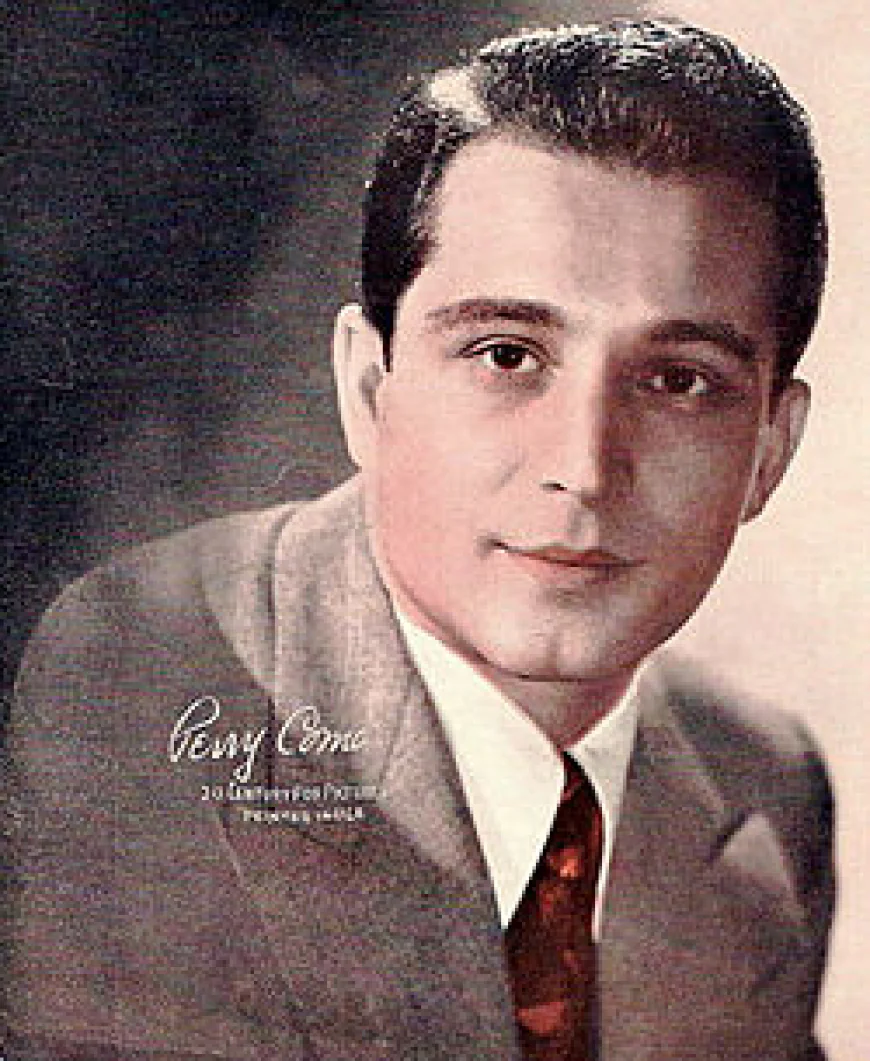
The Gentle Voice Who Became a Billion-Record Legend
Perry Como — born May 18, 1912 — remains one of the most iconic voices of 20th-century popular music. With his warm, mellifluous baritone and unpretentious charm, he forged a career that bridged radio, recording studios, and television, selling over 100 million records worldwide.
Raised in a large family of Italian immigrants in Canonsburg, Pennsylvania, Como was one of 13 children. From a young age, music was woven into the fabric of his upbringing — his father, a mill worker with a love for song, encouraged every child to take music lessons. Despite financial hardship, the family prioritised musical training.
He began working early — by age 14 he had taken up barbering, running his own shop and often singing to entertain customers. It was in those humble surroundings that his voice first gained quiet recognition.
Then came a turning point: in the early 1930s, he auditioned for a dance band and secured a position with the Freddy Carlone Orchestra. A few years later he joined the Ted Weems Orchestra, laying the groundwork for a career that would soon take off.
Eventually his smooth vocals and affable persona led to a landmark recording contract with RCA Victor in 1943 — a partnership that would last more than four decades.
Over the years, Como became a household name. Hits such as “Till the End of Time,” “Catch a Falling Star,” “Papa Loves Mambo,” and “Hot Diggity” captivated audiences.
In the late 1940s and 1950s, the transition from radio to television gave Como a new platform. His variety show — The Perry Como Show — and later specials earned him multiple Emmy Awards and widespread acclaim.
By blending musical craft, personal warmth, and a laid-back charisma — often symbolised by his signature cardigan sweaters — Perry Como defined the relaxed, intimate style of “easy listening.” His legacy endured far beyond his active years, influencing generations of singers and entertainers.
A Life of Stability: Love, Family and Private Strength
Como’s personal life was marked by stability and discretion — a contrast to many of his celebrity contemporaries. He met his future wife, Roselle Belline, at a picnic near their hometown. Their romance blossomed, and they married on July 31, 1933.
Together they raised three children — Ronnie, David, and Terri — and maintained a family life largely shielded from the typical glare of celebrity. Como reportedly avoided invasive interviews about his private life, preferring to separate his public persona from his home.
In 1946 the family moved to a quiet community on Long Island, New York. Later in life, Como spent his final years in Florida.
This combination of enduring marriage, devotion to family, and desire for privacy helped reinforce his public image as a “nice guy” — a sense that many fans found as appealing as his music.
The Fortune Behind the Voice — Valuing a Golden-Era Icon
At the time of his death, many sources estimate Perry Como’s net worth at US$ 40 million.
That wealth reflected decades of success: record sales, lucrative television contracts, live performances, and endorsement deals.
For example, in 1959 he signed a major contract that reportedly paid him well above previous benchmarks for TV performers — underlining his status as one of television’s highest-paid entertainers of the era.
Despite his wealth, Como’s lifestyle appeared modest and grounded. He owned comfortable homes — including a Long Island estate and a waterfront home in Florida — but eschewed ostentation, perhaps a reflection of his humble roots and family-first values.
Why Perry Como Still Matters Today
Perry Como’s story resonates for many reasons. He emerged from modest beginnings — the son of immigrants, a teenage barber — and through talent, discipline, and character transformed into a global entertainment icon.
He helped shape the mid-century sound of America: the smooth crooner’s voice provided comforting familiarity during decades of social change. His recordings — tender love songs, festive holiday tunes, lighthearted hits — became part of the soundtrack of everyday life for millions.
More than that, his transition from radio to television helped define the format of variety shows, bringing music and family-friendly entertainment into living rooms across America. In doing so, Como paved the way for future generations of entertainers.
Finally, his personal life — long marriage, devotion to family, low-key privacy — offered a model of stability and decency that stood in contrast to the more turbulent celebrity narratives that would follow him.
For those exploring the annals of musical history, Perry Como remains not just a voice from another era — but a reminder of a different kind of fame. One built on talent, perseverance, and personal integrity.