Peggy Lee Net Worth, Relationships, Age/Birthdate & Birthday Facts
Discover Peggy Lee net worth, relationships, age/birthdate and birthday in this deep profile of the legendary singer-songwriter.
 loveness92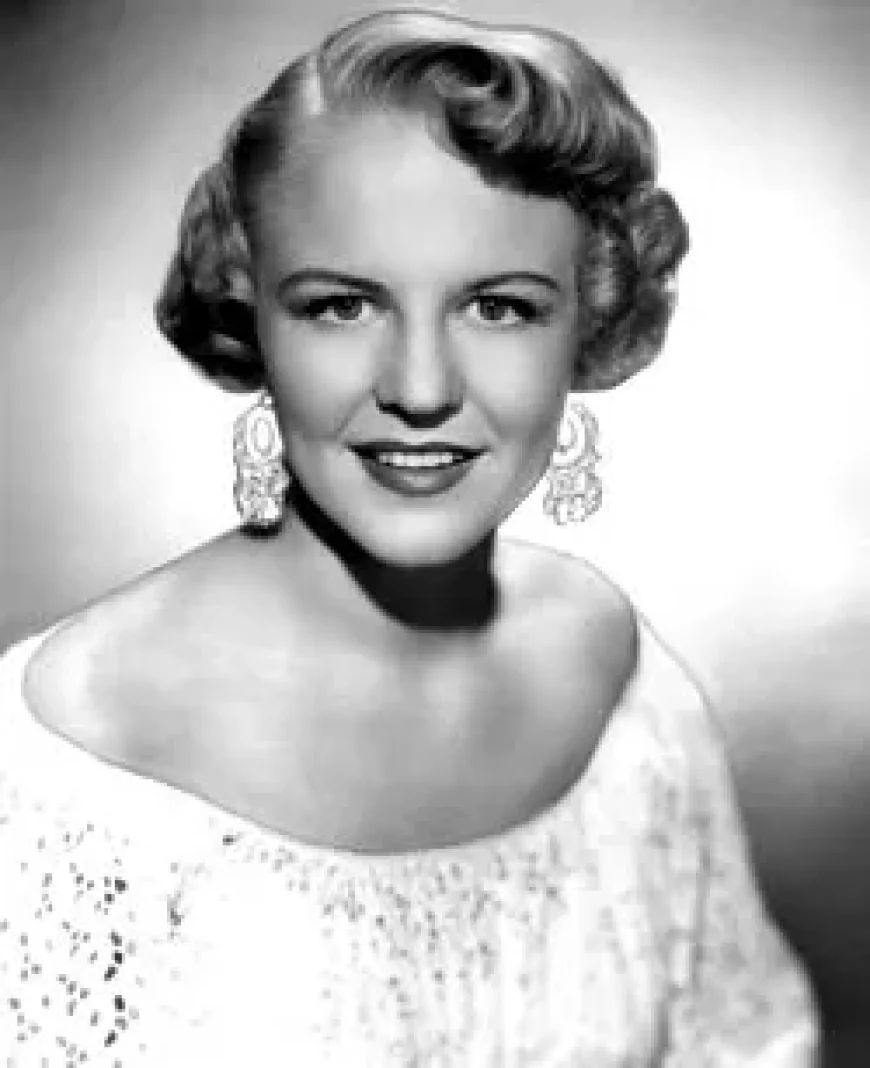
Peggy Lee Net Worth, Relationships, Age/Birthdate & Birthday
Peggy Lee is a legendary American singer-songwriter and actress whose sultry voice and prolific catalog helped shape the sound of 20th-century jazz and pop.
Born on May 26, 1920, Peggy Lee (née Norma Deloris Egstrom) rose from a difficult childhood to become one of America’s most influential vocalists — and by the end of her life had built a lasting legacy, creative catalog, and modest yet meaningful estate.
Quick Facts
| Category | Details |
|---|---|
| Full Name | Norma Deloris Egstrom |
| Age / Birthdate | May 26, 1920 |
| Birthday | May 26 |
| Nationality | American |
| Profession | Singer, songwriter, actress, composer |
| Estimated Net Worth | Approx. US$ 5 million at time of death |
| Relationship Status | Divorced (four marriages) |
| Known For | Iconic songs like “Fever” and “Is That All There Is?”, voice and songwriting for Lady and the Tramp, Academy Award–nominated role in Pete Kelly's Blues, and a career spanning seven decades. |
From Prairie Roots to Stardom: The Rise of Peggy Lee
Born Norma Deloris Egstrom on May 26, 1920, in Jamestown, North Dakota, Peggy Lee’s early life was marked by hardship. She lost her mother at a young age, and after her father remarried, she endured an abusive home life under her stepmother — adversity that drove her toward music as a refuge.
As a teenager, she began singing in church choirs and on local radio stations. In Fargo, at radio station WDAY, a program director suggested she adopt a stage name — and thus “Peggy Lee” was born.
Her breakthrough came in 1941, when bandleader Benny Goodman discovered her performing at a Chicago nightclub. Goodman hired her as a vocalist for his orchestra — a move that would launch her into the spotlight. With the Goodman band, Lee recorded her first major hits.
Once she struck out on her own, Lee embraced a solo career. Her stay at Capitol Records lasted 24 years — making her one of the label’s most enduring talents. She later had successful periods with other labels, including Decca Records.
Defining moments in Peggy Lee’s journey include:
-
Her radio performances in Fargo that caught early attention and led to her adopt “Peggy Lee.”
-
Joining Benny Goodman’s orchestra in 1941 — the launching pad for a major career.
-
Transitioning to solo stardom with Capitol Records and building a diverse catalog spanning jazz, pop, blues, and film music.
-
Writing and voicing music for a major film (Disney’s Lady and the Tramp) and earning an Academy Award nomination for her dramatic talent in Pete Kelly’s Blues.
The Core Pillars of Peggy Lee’s Wealth
The core pillars of Peggy Lee’s wealth include:
-
Record sales and royalties — Decades of hit songs and millions of records sold worldwide.
-
Songwriting and composition royalties — She co-wrote hundreds of songs, many of which remained profitable over time.
-
Film and voice work — Income from movies and contributions to film soundtracks (notably Disney’s Lady and the Tramp).
-
Back catalog and licensing revenue — Earnings from reissues, posthumous compilations, and licensing.
These streams combined over a long career contributed to the estimated net worth of roughly US$ 5 million at the time of her death.
Peggy Lee’s Relationships & Personal Life
Though famed for her music, Peggy Lee’s personal life was marked by several marriages and a singular child.
-
She was married four times: first to guitarist Dave Barbour (1943–1951), with whom she had her only child, a daughter named Nicki.
-
Subsequent brief marriages included to actors/figures Brad Dexter (1953), Dewey Martin (1956–1959), and Jack Del Rio (1964–1965) — none resulted in further children.
-
Despite the turbulence, Lee often regarded Barbour as the love of her life and her greatest collaborator.
Key insights into Peggy Lee’s relationships and personal life:
-
Her first marriage to Dave Barbour yielded both personal and professional partnership, including co-writing songs and shaping her early solo career.
-
Later unions were short-lived, underscoring a private life marked by instability.
-
She maintained a beloved bond with her daughter Nicki, even while navigating a demanding career.
More Than Songs: Lifestyle, Interests & Assets
Beyond career success, Peggy Lee led a lifestyle shaped by passion for music, art, and independence:
-
She was not just a singer — she composed, arranged, and wrote lyrics, often with lyrical subtlety and emotional depth.
-
Lee’s home years included time in Los Angeles and Bel Air — fitting of her industry success, yet she remained private about material excess. According to some accounts, the modest net worth suggests she lived reasonably rather than lavishly.
-
Creative versatility defined her interests: beyond singing, she explored songwriting, film scoring, and even acting. Late in life she suffered health problems but continued to value her art and legacy.
Net Worth Breakdown & Analysis
How her estimated wealth is typically evaluated:
| Category | Estimated Value | Source / Basis |
|---|---|---|
| Record Sales & Royalties | Part of total US$ 5 M estate | Posthumous estimates of sales, catalog value |
| Songwriting & Publishing Royalties | Part of estate value | Legacy income from her catalog — hundreds of songs published and licensed |
| Film & Voice Work Earnings | Included in overall value | Contributions to film soundtracks and voice roles (e.g., Lady and the Tramp) |
| Posthumous Licensing / Catalog Value | Residual value factored in net worth estimate | Continued sales, licensing transfers, and rights management (though typically modest) |
Because much of Peggy Lee’s catalog was licensed and reused over decades, the value of her estate reflects a combination of historical earnings and the potential for ongoing passive income — though her relatively modest net worth suggests she did not accumulate the extravagant wealth of some modern stars.
Public Image, Legacy & Influence
To industry insiders and fans alike, Peggy Lee remains a benchmark of subtlety, sophistication, and musical integrity. Her husky, intimate vocal style helped redefine jazz and pop singing — leaving a lasting imprint on generations of vocalists.
Critics and fellow musicians widely praised her — among them Duke Ellington, who once called her a “queen” of popular music.
Her influence also goes beyond music: by co-writing songs, performing voice roles for animation, and fighting for artists’ rights (notably in royalty disputes), she helped pave the way for future generations of singer-songwriters and performers asserting control over their work.
Today, Peggy Lee is remembered not just for her hits — “Fever,” “Somebody Else Is Taking My Place,” “Mañana,” “Is That All There Is?” — but as a creative force who blended artistry and autonomy, elegance and grit.
Conclusion
Peggy Lee’s journey — from Norma Deloris Egstrom in small-town North Dakota to a musical icon — is a testament to resilience, talent, and integrity. Her net worth, documented at roughly US$ 5 million at the time of her death, may seem modest in today’s celebrity economy — yet it reflects a lifetime of artistry, songwriting, and legacy. Her birthday, May 26, marks the birthdate of one of America’s most evocative voices; her relationships and personal life, though sometimes turbulent, produced meaningful collaborations and a beloved daughter.
As a singer, songwriter, actress — and, above all, a timeless artist — Peggy Lee’s legacy endures. Her music continues to inspire, her recordings still resonate, and her story remains a powerful example of how passion and perseverance can transform hardship into enduring artistry.