Paul Castellano Net Worth, Relationships, Age/Birthdate & Birthday
Overview of Paul Castellano — net worth, relationships, age/birthdate, and birthday.
 loveness92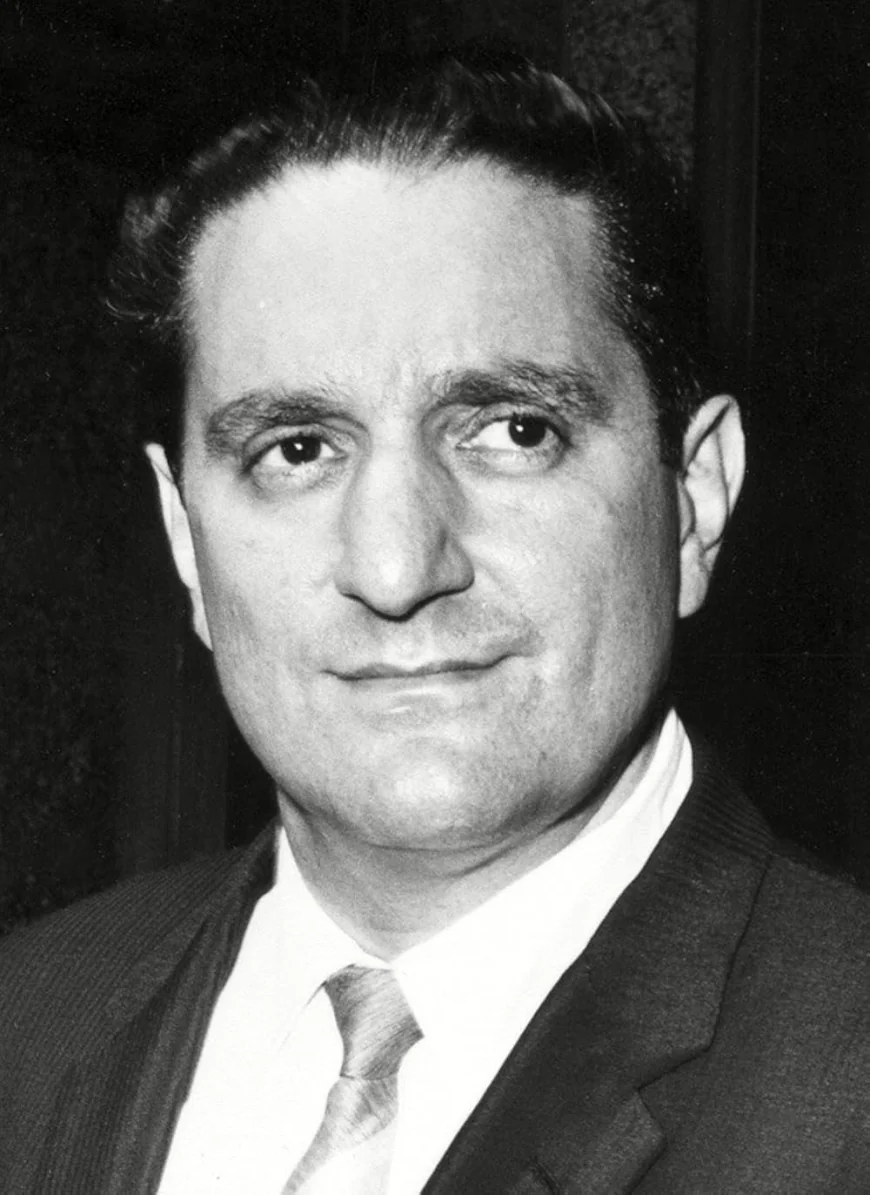
Paul Castellano — A Portrait of Power, Fortune, and Infamy
When Constantino Paul Castellano was born on June 26, 1915, in Brooklyn, New York, few could have predicted the extraordinary — and violent — path he would walk. Known widely by his moniker “Big Paul,” Castellano emerged from humble immigrant roots to become one of the most powerful and wealthiest mob figures in American criminal history. His life — defined by ambition, loyalty, ruthless discipline, and ultimately betrayal — reads like a cautionary tale etched into the annals of the American underworld.
The Rise of “Big Paul”: From Butcher’s Son to Mafia Power Broker
Castellano’s upbringing was modest. Born to Italian immigrant parents, Giuseppe and Concetta Castellano, he spent his early years in Bensonhurst, Brooklyn. He left school in eighth grade to work with his father as a butcher, following a family tradition.
In 1934, at around 19 years old, he was arrested for robbery in Hartford, Connecticut. Convicted, he served a three-month sentence — but his refusal to identify his accomplices earned him respect and forged his early reputation for unwavering loyalty.
Through the 1940s and 1950s, Castellano gradually climbed the ranks of what would become the Gambino crime family — initially under the shadow of enforcers like Albert Anastasia, and later, under the leadership of his cousin Carlo Gambino.
His rise culminated in 1976, when Carlo Gambino — then head of the family — appointed Castellano as his successor. In doing so, Castellano assumed control of one of New York’s most feared and influential crime syndicates.
A Fortune Built on Shadows: Castellano’s Estimated Net Worth
Despite the illicit nature of his empire, estimates suggest that at the height of his power in the early 1980s, Castellano’s net worth was around US $20 million.
Adjusted for inflation, some sources — including retrospective analyses — suggest his influence and wealth could be equivalent to approximately US $50 million today.
His lifestyle matched the scale of his fortune. Among his most notorious expenditures was a lavish Staten Island mansion — known in mob circles and law-enforcement files as “The White House.” Completed in 1980, the sprawling estate reportedly featured a marble-lined interior, an Olympic-sized pool, English gardens, and opulent décor befitting a kingpin.
To sustain such extravagance, Castellano is said to have increased the tribute demanded from his capos — raising the cut from the traditional 10% to as much as 15%.
Family Ties, Alliances, and Personal Life
Castellano’s path was shaped by deep family connections. His sister Catherine had married Carlo Gambino, cementing an alliance that would later elevate Paul to the top of the family hierarchy.
In 1937, Castellano wed his childhood sweetheart, Nina Manno. Together they had four children: three sons (Paul, Philip, and another) and a daughter.
Although popular culture often links Castellano to other famous Castellanos — such as actor Richard S. Castellano (known for his role in The Godfather) — there was no familial relation between them.
Despite his ruthless reputation, Castellano often signed his name as “C. Paul Castellano,” a subtle attempt to distance himself from his birth name, Constantino.
The Final Act: End of the Reign
By 1985, Castellano’s power had begun to wane. That year, he and several other top mob figures were indicted under the federal RICO (Racketeer Influenced and Corrupt Organizations) Act, accused of leading a shadow “Commission” that governed organized crime in New York City.
Despite the looming legal threat, Castellano was still maneuvering — seeking to consolidate control over construction racketeering, labor unions, and other lucrative ventures tied to the underworld.
On December 16, 1985 — mere months after the indictments — Castellano and his newly appointed underboss were gunned down outside a Manhattan steakhouse. The brazen daytime assassination sent shockwaves through both the criminal and law-enforcement worlds.
The Shadow of a Legacy: Power, Wealth, and Infamy
Castellano’s story underscores the paradox of power derived from crime: enabling grand wealth and luxury, yet built on violence, fear, and betrayal. The mansion he once commissioned — a symbol of his might — remains, a tangible relic of his empire and its excesses.
His estimated net worth, while modest compared to legitimate tycoons, reflects a dark kind of success — real estate, extortion, labor racketeering, and criminal enterprise. It also reflects the hidden economy that powered his world: tribute from subordinates, control of key industries, and ruthless management of resources.
His personal relationships — cemented by blood and marriage — played a decisive role in his ascent. Yet, the same system of loyalty and fear that elevated him ultimately paved the way for his violent fall.
For modern readers and writers, Castellano’s tale remains a stark example of how power can be amassed in the shadows — and how, sometimes, those shadows collapse in on their creators.
Note on Sources & Estimations
Because much of Castellano’s wealth was derived from illicit activities, exact figures are inherently uncertain. The net worth values cited here come from retrospective assessments compiled by investigative authors and criminal-wealth trackers. While estimates vary, the consensus places his wealth in the high millions — with the lifestyle he maintained offering a stark, visible indicator of that wealth.
Also, because much of Castellano’s life played out decades ago, certain personal-life details (family, relationships) are based on historical reporting and may carry the ambiguities typical of organized-crime history.