



Pamela Genini: A Tragic Story That Continues to Unfold
The story of Pamela Genini is not confined to a single tragic event. It is a case that continues to evolve, raising disturbing questions about violence, memory, and the limits of justice. What began as a brutal femicide in Milan has expanded into a deeply unsettling investigation involving grave desecration, alleged intimidation, and unresolved motives.
- Pamela Genini: A Tragic Story That Continues to Unfold
- The Life and Death of Pamela Genini
- A Second Shock: The Desecration of Her Grave
- The Investigation: Leads, Gaps, and Unanswered Questions
- Francesco Dolci and the Role of Informal Testimony
- The Family’s Position: Rejecting Financial Motives
- Beyond the Crime: Cultural and Social Implications
- What Comes Next: The Search for Accountability
- Conclusion: A Case That Demands Answers
This is not simply a crime report—it is a layered narrative that reflects broader societal concerns about gender-based violence, obsession, and the aftermath of tragedy.
The Life and Death of Pamela Genini
A Young Woman with a Future Cut Short
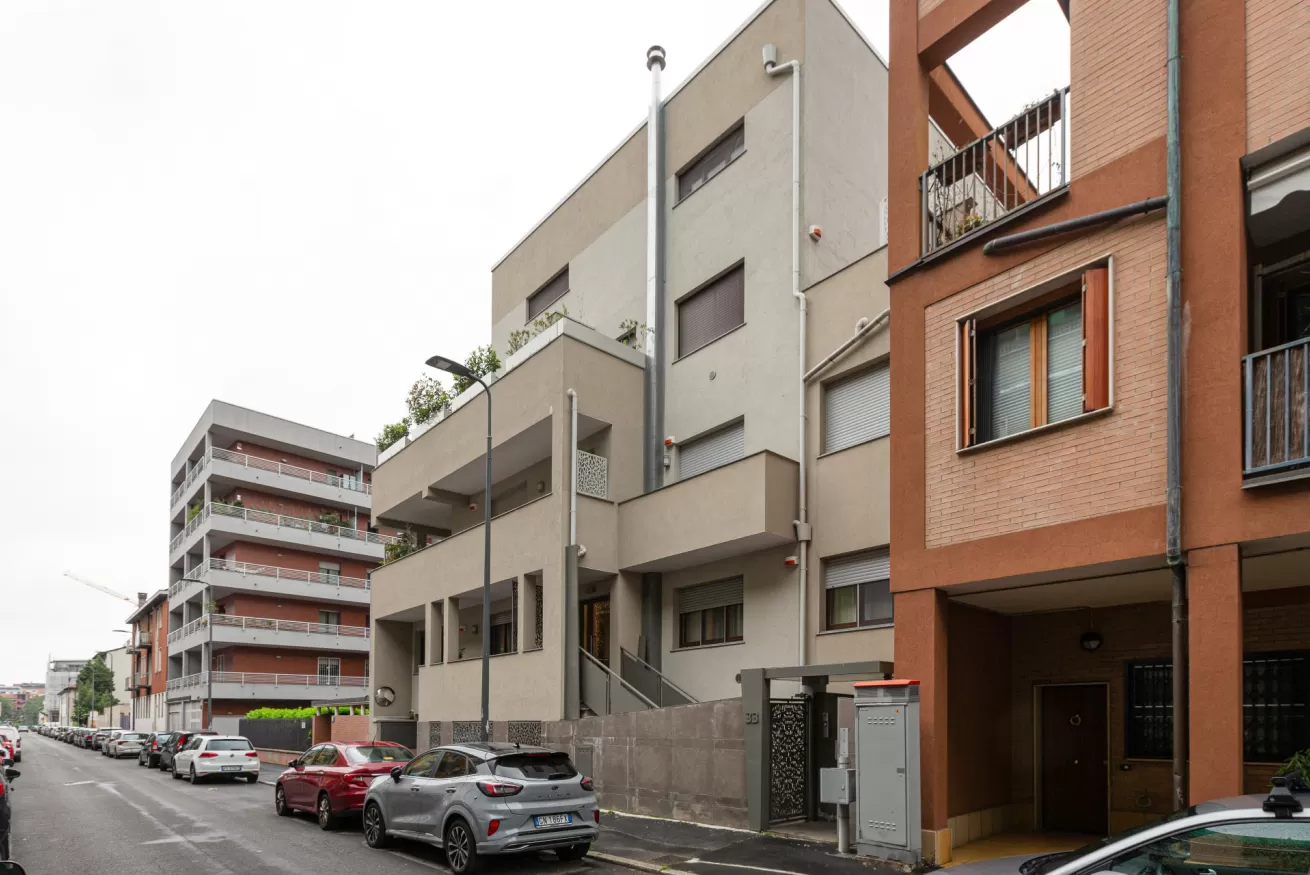
Pamela Genini, a 29-year-old model and entrepreneur, was living in Milan when her life ended violently on October 15, 2025. She was killed inside her home in the Gorla area by her former partner, Gianluca Soncin.
According to available details, the attack was particularly brutal. Genini was stabbed 24 times in her apartment on via Iglesias. The circumstances surrounding the crime indicate premeditation—Soncin had obtained a copy of her keys days before the incident, enabling him to enter the property unexpectedly.
Evidence also pointed to a history of abuse. Reports describe repeated acts of violence, including physical assaults and attempted strangulation. Genini had documented these injuries and shared them with a friend, suggesting an escalating pattern of danger prior to her death.


At the time of reporting, Soncin was being held at San Vittore prison in Milan, facing charges of aggravated murder with premeditation and cruelty.
A Second Shock: The Desecration of Her Grave
Discovery at Strozza Cemetery
Months after her death, the case took an even darker turn. On March 23, 2026, authorities discovered that Genini’s grave in the cemetery of Strozza had been violated.
Her coffin had been removed from its niche, opened, and her body desecrated. In one of the most disturbing aspects of the case, her head was reportedly removed.
The scene itself presented troubling details. Despite the severity of the act, the cemetery appeared outwardly undisturbed. Personal items—flowers, a red high-heeled shoe, chocolates, and mementos—remained in place, creating a stark contrast between appearance and reality.



Investigators believe that multiple individuals may have been involved, given the logistical difficulty of handling a coffin weighing approximately 120 kilograms.
The Investigation: Leads, Gaps, and Unanswered Questions
Technical Challenges and Surveillance Limits
The investigation, led by the Carabinieri in the Bergamo area, has focused on reconstructing how the perpetrators entered and exited the cemetery.
Several factors complicate the inquiry:
- The cemetery’s internal surveillance cameras are not illuminated at night
- External cameras cover only limited angles
- Footage is automatically deleted after one week
- Key access points may have been exploited through structural vulnerabilities
Authorities are also examining possible entry routes, including low walls, gate mechanisms, and restricted side passages.
As of now, the exact timing of the intrusion remains unclear.
Francesco Dolci and the Role of Informal Testimony
A Potential Witness Emerges
A significant development involves Francesco Dolci, Genini’s former boyfriend.
According to a statement released by his lawyer, Eleonora Prandi, Dolci has:
“provided informally elements that could be useful to investigators in identifying the perpetrator or perpetrators of the crimes.”
However, despite this claim, Dolci has not yet been formally questioned by authorities and has not made public statements.
The same statement also highlights that Dolci himself has allegedly been the victim of multiple offenses since the femicide, including:
- Repeated threats
- Intimidation
- Physical assaults
- Defamation
- Violations of domicile
These incidents suggest that the case may involve a broader network of tensions and hostility beyond the original crime.
The Family’s Position: Rejecting Financial Motives
Statements from Legal Representatives
The Genini family, represented by lawyer Nicodemo Gentile, has taken a clear stance regarding possible motives.
They have stated that:
- No threats or financial demands were ever received
- No complaints related to extortion or pressure were filed
- There is no evidence pointing to an economic motive
Instead, the family’s legal team has suggested a more complex psychological dimension behind the act.
One statement described the incident as:
“an inhumane massacre. Not even death has granted her peace: someone has violated even her last refuge.”
The lawyer further indicated that the act may be linked to:
- Distorted possession dynamics
- Obsessive or morbid fixation on the victim
- A potentially “dangerous mind” driven by psychological disturbance
Beyond the Crime: Cultural and Social Implications
Violence That Extends Beyond Death
The Pamela Genini case illustrates a rare but deeply disturbing phenomenon: violence that persists even after death.
From a sociological perspective, the desecration of a victim’s remains can indicate:
- Symbolic control or obsession
- Attempts to erase identity or dignity
- Psychological fixation extending beyond physical harm
In the context of femicide, this raises additional concerns. The case reinforces ongoing debates in Italy and beyond about:
- The protection of victims before and after death
- The cultural roots of gender-based violence
- The role of obsession and control in intimate partner crimes
What Comes Next: The Search for Accountability
Ongoing Investigations
Authorities continue to analyze:
- Surveillance footage (where available)
- Physical evidence from the cemetery
- Testimonies, including potential input from Dolci
At present, no suspects have been formally identified in connection with the grave desecration.
The hope, as expressed by legal representatives, is that the information already provided will contribute to identifying those responsible.
Conclusion: A Case That Demands Answers
The story of Pamela Genini is not just about a single act of violence—it is about a sequence of events that continues to challenge investigators, unsettle communities, and provoke broader reflection.
Her death in Milan exposed the devastating consequences of intimate partner violence. The subsequent desecration of her grave has added a new, deeply troubling dimension, suggesting motives that go beyond conventional explanations.
As the investigation continues, the central questions remain unresolved:
- Who was responsible for the cemetery violation?
- What motivated such an extreme act?
- And how can similar cases be prevented in the future?
For now, the case stands as a stark reminder that justice, in some instances, extends far beyond the courtroom.