




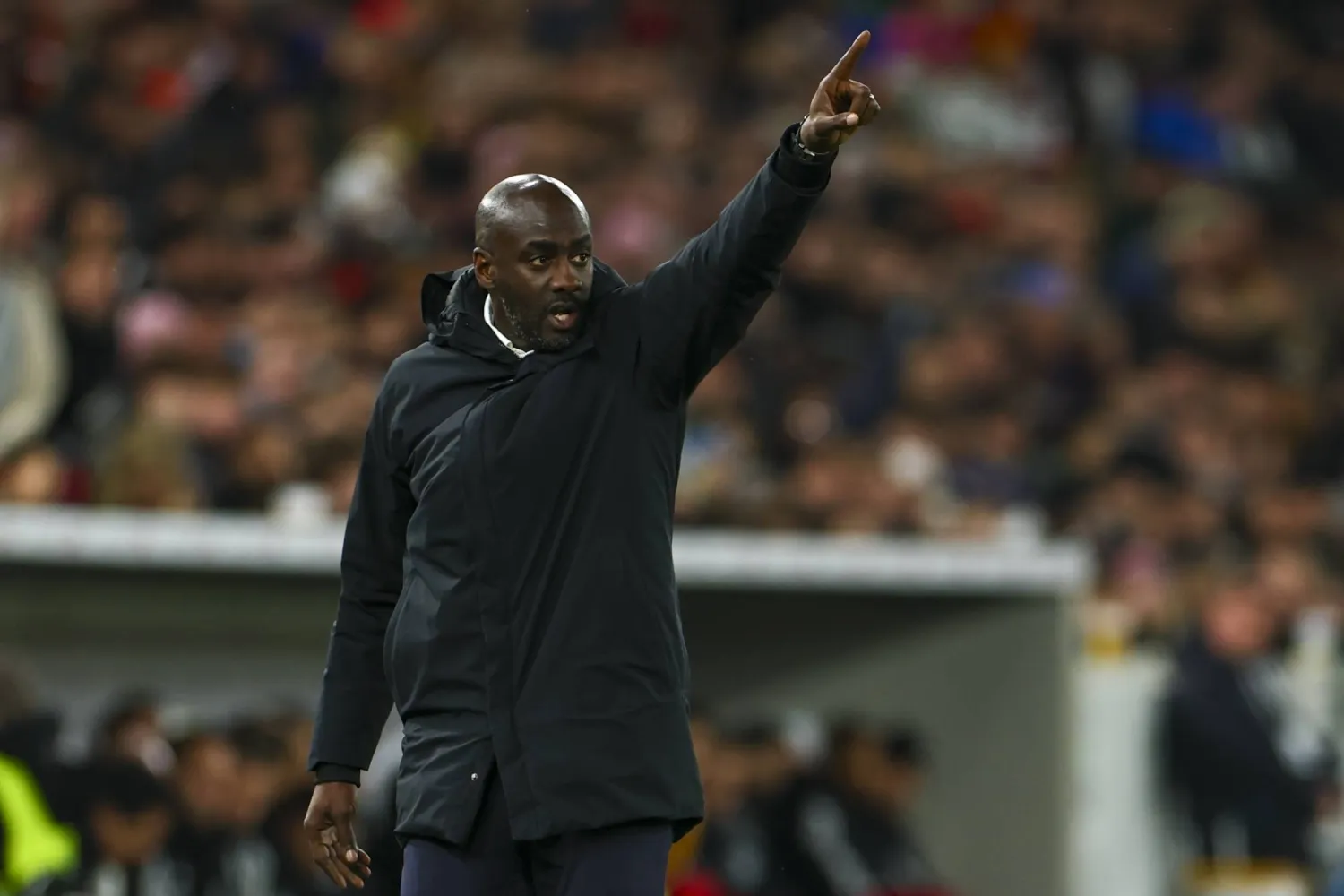
Otto Addo and the Black Stars: A Turning Point Before the World Cup
A Sudden Exit That Reshapes Ghana’s World Cup Plans
The decision to part ways with Otto Addo has sent shockwaves through Ghanaian football at a critical moment. With just 72 days remaining before the 2026 FIFA World Cup, the Ghana Football Association made the call to dismiss the Black Stars head coach following a string of disappointing results.
The announcement came shortly after a 2–1 friendly defeat to Germany national football team, a match that underscored deeper issues within the squad. The loss marked Ghana’s fourth consecutive friendly defeat, raising concerns about the team’s readiness for global competition.
In a concise statement, the association confirmed it had “parted ways” with Addo, with the decision taking immediate effect.

The Results That Defined His Second Spell
Addo’s second tenure as Black Stars coach, which began in March 2024, ultimately failed to meet expectations. Across 22 matches, he recorded eight wins and nine losses—numbers that reflected inconsistency rather than progress.
More concerning for stakeholders was the team’s inability to qualify for the 2025 Africa Cup of Nations. Despite boasting attacking talent such as Mohammed Kudus and Antoine Semenyo, Ghana struggled to translate individual quality into cohesive team performances.


The final stretch of results proved decisive. Heavy defeats—including a 5–1 loss to Austria and the narrow defeat to Germany—highlighted structural weaknesses in defense and a lack of tactical clarity in high-pressure matches.
From Player to National Team Coach
To understand the weight of this decision, it is necessary to examine Addo’s broader connection to Ghanaian football.
Born in Germany, Addo built his playing career entirely in the German system while earning 15 caps for Ghana at international level. His dual identity positioned him as a bridge between European tactical discipline and Ghana’s footballing heritage.
Before taking on the top role, he served as an assistant coach under Milovan Rajevac. He later stepped into the spotlight, leading Ghana at the 2022 FIFA World Cup in Qatar.

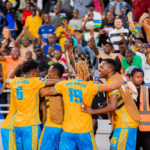
That campaign offered moments of promise—most notably a 3–2 victory over South Korea—but ultimately ended in a group-stage exit after defeats to Portugal and Uruguay.
Tactical Vision vs. Competitive Reality
Addo’s managerial approach emphasized structured buildup play, positional discipline, and tactical flexibility. However, the execution often fell short, particularly against high-intensity opponents.
Key issues during his tenure included:
- Defensive fragility under sustained pressure
- Inconsistent midfield control against top-tier teams
- Limited conversion of scoring opportunities despite attacking talent
These shortcomings became increasingly visible in international friendlies, where results serve as a proxy for tournament readiness. By early 2026, the gap between tactical intent and on-field output had become difficult to ignore.
The Timing: Why Now?
The decision to dismiss a head coach less than three months before a World Cup is rare and typically signals urgency.
Ghana is set to compete in Group L alongside:
- England national football team
- Panama national football team
- Croatia national football team
Their campaign begins on 18 June against Panama, followed by a high-profile clash with England and a final group match against Croatia.
With such a demanding group, the Ghana Football Association appears to have prioritized immediate corrective action over continuity.
Implications for the Black Stars
The departure of Addo introduces both risk and opportunity.
Immediate Challenges
- A new coach must quickly assess the squad and implement a coherent tactical system
- Limited preparation time reduces the margin for experimentation
- Player morale and dressing room stability must be managed carefully
Potential Advantages
- A fresh managerial perspective could reinvigorate underperforming players
- Tactical adjustments may address persistent defensive and structural issues
- The change may reset expectations and reduce pressure from recent results
The GFA has indicated that it will “communicate the new technical direction” in due course, leaving open questions about the identity and philosophy of the next coach.
A Career at a Crossroads
For Otto Addo, this dismissal represents a significant moment in his coaching trajectory. While his record in the second stint was mixed, his experience leading a national team at a World Cup and working within European football systems remains valuable.
His ability to secure a World Cup qualification and deliver a memorable victory in Qatar ensures that his tenure is not defined solely by its ending. However, the failure to build sustained momentum ultimately shaped the narrative of his exit.
What Comes Next for Ghana?
The Black Stars now enter a transitional phase at the most critical point in their competitive calendar. With the 2026 World Cup approaching, the focus shifts from retrospective evaluation to forward planning.
Key questions remain:
- Who will take over the national team?
- Can tactical stability be achieved in time?
- Will Ghana capitalize on its attacking talent on the global stage?
The answers will determine whether this managerial change becomes a strategic masterstroke or a destabilizing gamble.
Conclusion: A High-Stakes Reset
The dismissal of Otto Addo is more than a routine managerial change—it is a strategic intervention under intense time pressure. With the World Cup imminent, Ghana has opted for decisive action in pursuit of improved performance.
Whether this decision delivers the intended results will depend on execution in the weeks ahead. For the Black Stars, the margin for error is now minimal, and the path to success requires immediate alignment between leadership, tactics, and player performance.