


Otto Addo and Ghana’s World Cup Gamble: A Team at a Crossroads
A Sudden Decision That Shook Ghana Football
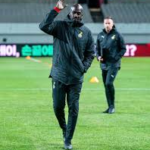
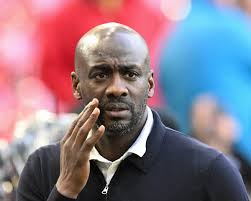
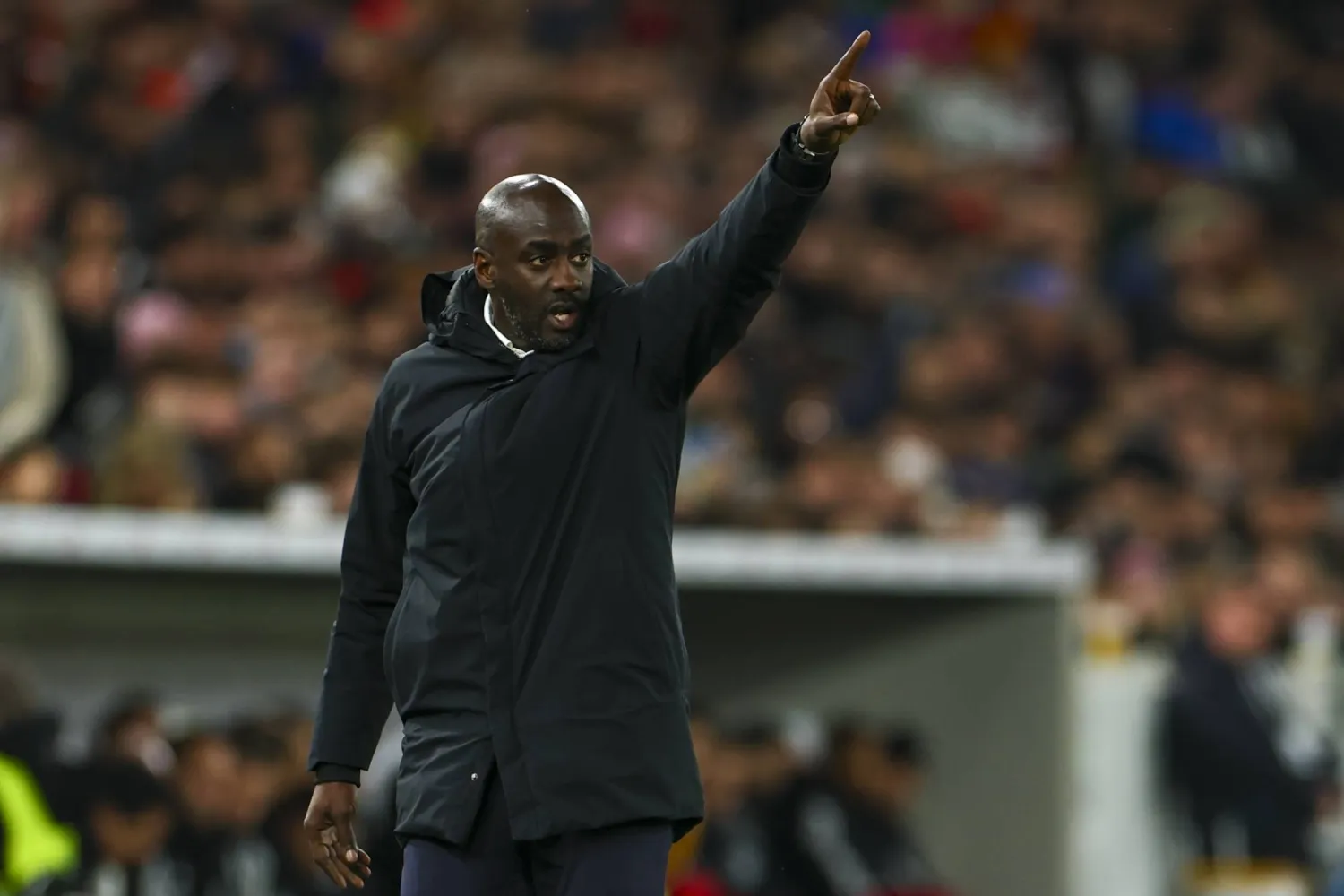
The dismissal of Otto Addo has triggered one of the most turbulent moments in recent Ghanaian football history. With just weeks remaining before the 2026 FIFA World Cup, the decision to part ways with the Black Stars’ head coach has raised urgent questions about leadership, preparation, and the team’s prospects on the global stage.
The timing alone is striking. Ghana now faces the challenge of regrouping under new management less than three months before the tournament begins. What was expected to be a period of fine-tuning has instead turned into a race against time.

The Results That Led to the Exit
Addo’s departure did not occur in isolation—it followed a sequence of disappointing results that steadily eroded confidence in his leadership.
The final blow came after a 2–1 international friendly defeat to Germany in Stuttgart, a match that extended Ghana’s losing streak to four games. Just days earlier, the team had suffered a heavy 5–1 loss to Austria. These back-to-back defeats intensified scrutiny on the technical team and ultimately forced the hand of the Ghana Football Association.

According to official statements, the federation acknowledged Addo’s efforts but concluded that a change was necessary. The decision reflects a broader concern: Ghana’s trajectory was moving in the wrong direction at the worst possible time.
The numbers underline the concern. Across his second tenure, Addo recorded eight wins, five draws, and nine losses in 22 matches . While not catastrophic on paper, the trend—particularly recent performances—proved decisive.
A Broader Pattern of Struggles
The situation extended beyond isolated defeats. Ghana had lost multiple consecutive matches, including key friendlies intended to build momentum ahead of the World Cup. The team also failed to qualify for the 2025 AFCON, adding further pressure on the coaching staff .
This pattern raised deeper concerns about tactical cohesion, squad balance, and overall direction. Despite a roster featuring notable talents such as Mohammed Kudus and Antoine Semenyo, performances on the pitch did not reflect the team’s potential.

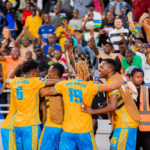
In elite international football, timing is critical. A slump months before a major tournament can destabilize even the most experienced squads. For Ghana, the consequences have been immediate.
Political and Public Reaction
The decision has not gone unnoticed beyond football circles. Alban Bagbin publicly expressed surprise at the sacking, highlighting the broader national concern.
“You’re seeing what is happening with the national team; this can not be Ghana. I was very, very surprised when I heard the coach was axed,” he said.
Such remarks reflect the cultural significance of the Black Stars. In Ghana, football is more than sport—it is a symbol of national identity. Decisions affecting the team often resonate at the highest levels of society.
A Race Against Time
With approximately 72 days before kickoff, Ghana must now undertake a rapid leadership transition. The federation has confirmed that a new head coach will be appointed soon, but the window for preparation is narrow.
Upcoming friendlies against Mexico and Wales were initially planned as key preparatory fixtures. Now, they may serve a different purpose: helping a new coach assess the squad, implement tactical systems, and rebuild morale.
The urgency cannot be overstated. International teams typically require months—if not years—to develop chemistry and consistency. Ghana now has weeks.
The Search for a Successor
Attention has quickly shifted to potential replacements. Reports indicate that the federation has contacted Walid Regragui, a coach with a proven track record on the global stage.
Regragui gained international recognition after leading Morocco to the semi-finals of the 2022 World Cup—the first African coach to achieve that milestone. His profile aligns with Ghana’s immediate needs: experience, tactical discipline, and the ability to inspire under pressure.
The federation reportedly views him as a stabilizing figure capable of restoring direction just weeks before the tournament begins .
Whether such a high-profile appointment can be finalized—and integrated quickly enough—remains uncertain.
A Difficult World Cup Group
Ghana’s situation is further complicated by the strength of its group. Drawn into Group L, the Black Stars will face formidable opponents including England, Croatia, and Panama.
For a team already dealing with instability, the margin for error is minimal. Progressing beyond the group stage—a feat last achieved in 2010—will require not only improved performances but also immediate cohesion under new leadership.
What This Means for Ghana Football
The sacking of Otto Addo is more than a managerial change—it represents a strategic pivot at a critical moment.
Several implications stand out:
- Short-term instability: A new coach must quickly establish authority and tactical clarity.
- Psychological reset: Players must regain confidence after a string of defeats.
- Public pressure: Expectations remain high despite recent setbacks.
- Global scrutiny: Performances at the World Cup will define the success or failure of this decision.
In many ways, Ghana is undertaking a high-risk, high-reward gamble.
Conclusion: A Defining Moment Approaches
Otto Addo’s departure closes a chapter that began with optimism but ended under mounting pressure. His tenure, marked by moments of promise and inconsistency, ultimately fell short of expectations at a crucial juncture.
Now, the focus shifts to what comes next.
With the World Cup fast approaching, Ghana’s ability to stabilize, adapt, and compete will determine whether this decision proves justified. The coming weeks will not only shape the team’s tournament prospects but also influence the broader trajectory of Ghanaian football.
The margin for recovery is narrow—but not impossible.