


Oppo Pad 5 Pro and Pad Mini: A Strategic Push Into the Premium Tablet Market
A New Chapter in Oppo’s Tablet Ambitions
Oppo has expanded its tablet portfolio with the launch of two new devices — the flagship Oppo Pad 5 Pro and the compact Oppo Pad Mini — marking a calculated move to strengthen its presence across both premium and portable segments. Unveiled in China, the devices reflect the company’s evolving strategy: deliver high-end performance while catering to diverse user preferences, from productivity-focused professionals to users seeking portability.
The launch also signals Oppo’s continued alignment with OnePlus in global markets, as the Pad 5 Pro is widely expected to debut internationally under a different branding, potentially as the OnePlus Pad 4, continuing a pattern seen in earlier releases.
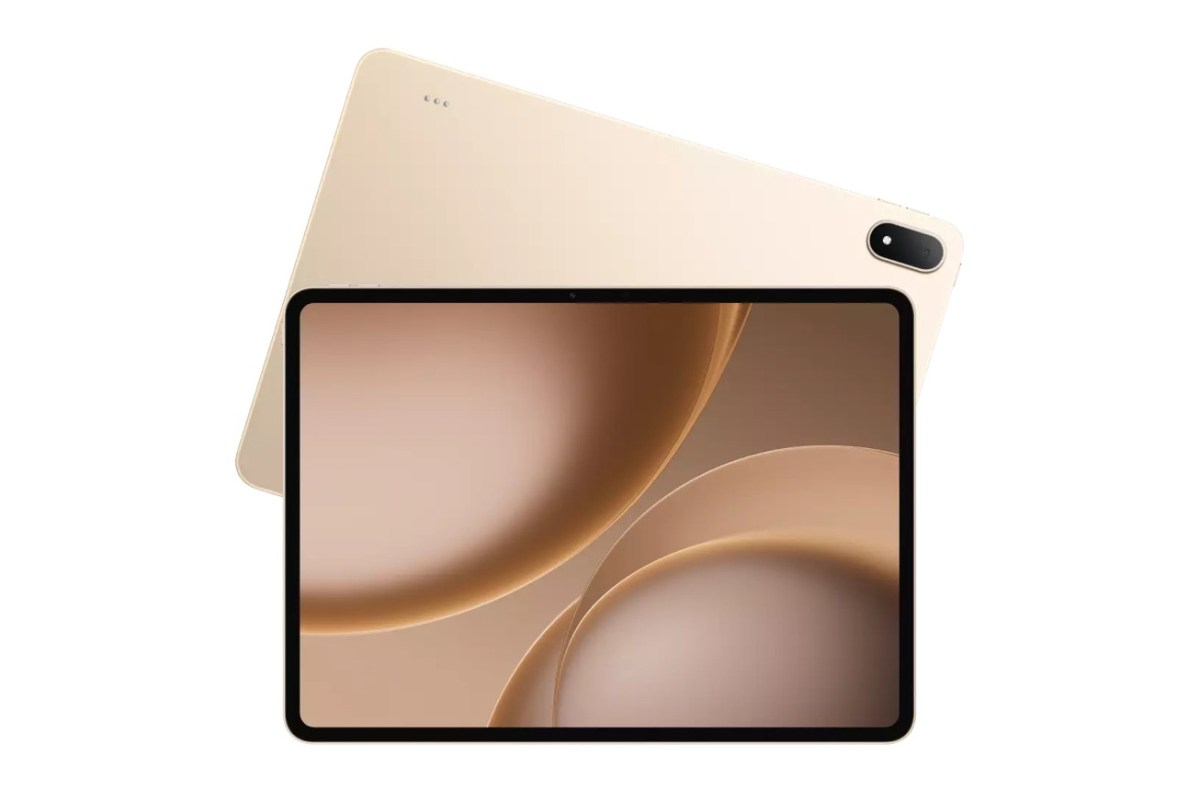
Flagship Focus: Inside the Oppo Pad 5 Pro
Performance Anchored by Snapdragon 8 Elite Gen 5
At the heart of the Oppo Pad 5 Pro lies Qualcomm’s flagship Snapdragon 8 Elite Gen 5 chipset, positioning it firmly among the most powerful Android tablets available today. The processor is paired with up to 16GB LPDDR5X RAM and 512GB UFS 4.1 storage, delivering high-speed performance tailored for multitasking, gaming, and professional workloads.
The device reportedly achieves an impressive AnTuTu score exceeding 4.47 million, underscoring its flagship credentials.
Immersive Display and Premium Build
The Pad 5 Pro features a 13.2-inch LCD display with a resolution of 3,392 x 2,400 pixels and a unique 7:5 aspect ratio, designed to enhance productivity and media consumption. It supports a 30Hz to 144Hz adaptive refresh rate, along with Dolby Vision and HDR Vivid, and peaks at 1,000 nits brightness for vivid visuals.
Despite its large size, the tablet maintains a sleek profile, measuring just 5.94mm in thickness and weighing 672 grams, balancing portability with screen real estate.
Battery, Audio, and Ecosystem
One of the standout features is its 13,380mAh battery, supported by 67W fast charging, ensuring extended usage without frequent recharging.
Oppo enhances the multimedia experience with an eight-speaker system and dual microphones, delivering immersive audio for entertainment and clear voice pickup for communication.
The tablet also supports:
- Oppo Pencil 3 (stylus) for creative tasks
- Magnetic floating keyboard for productivity
- Wi-Fi 7 and Bluetooth 5.4 connectivity
- Android 16 with ColorOS 16
These features position the Pad 5 Pro not just as a consumption device, but as a productivity and creative tool.
Compact Power: Oppo Pad Mini
Designed for Portability Without Compromise
The Oppo Pad Mini targets users who prefer a smaller, more portable tablet without sacrificing flagship-level performance. It features an 8.8-inch AMOLED display with a resolution of 2,520 × 1,680 pixels and a 3:2 aspect ratio, along with a 60Hz to 144Hz adaptive refresh rate.
Its slim bezels (just 2.99mm) and lightweight design make it ideal for on-the-go use.
Strong Performance in a Smaller Form
The Pad Mini is powered by the Snapdragon 8 Gen 5 (non-Elite) chipset, paired with up to 12GB RAM and 512GB storage, ensuring smooth performance for everyday tasks and moderate gaming.
It houses an 8,000mAh battery, also supporting 67W fast charging, matching the flagship in charging speed despite its smaller size.
Camera and Software Experience
The compact tablet includes:
- 13MP rear camera with LED flash
- 8MP front camera in punch-hole design
- ColorOS 16 based on Android 16
These specifications align it closely with the flagship experience, but in a more accessible form factor.
Pricing Strategy and Market Positioning
Oppo has priced both tablets competitively in the Chinese market:
Oppo Pad 5 Pro:
- Starts at CNY 4,299 (~$630)
- Top variant at CNY 5,499 (~$806)
Oppo Pad Mini:
- Starts at CNY 3,699 (~$542)
- Top variant at CNY 4,499 (~$660)
Both models became available starting April 24, indicating Oppo’s aggressive push into immediate market capture following launch.
A Broader Strategy: Oppo and OnePlus Synergy
Oppo’s tablet launches increasingly reflect a broader ecosystem strategy. Previous models, such as the Oppo Pad 4 Pro, were rebranded globally as OnePlus devices. The Pad 5 Pro appears poised to follow the same trajectory, suggesting a coordinated global rollout under the OnePlus brand.
This dual-brand approach allows Oppo to:
- Test innovations in the Chinese market
- Expand globally under the OnePlus ecosystem
- Leverage shared R&D and design efficiencies
Implications for the Tablet Market
The introduction of both a flagship and a compact premium tablet highlights several emerging trends:
1. High-End Android Tablets Are Back
With flagship chipsets, high refresh rate displays, and productivity accessories, Android tablets are increasingly competing with laptops and premium iPads.
2. Demand for Compact Power Devices
The Pad Mini underscores growing demand for smaller tablets that retain flagship performance — a niche often underserved in recent years.
3. Ecosystem Integration Matters
Stylus support, keyboards, and seamless OS experiences indicate a shift toward tablets as productivity hubs rather than secondary devices.
What Comes Next?
While the devices are currently limited to China, global expansion appears imminent — especially given the strong parallels with upcoming OnePlus products. If launched internationally, the Pad 5 Pro could compete directly with premium tablets from Apple and Samsung, while the Pad Mini may carve out a unique space in the compact high-performance segment.
Conclusion
The launch of the Oppo Pad 5 Pro and Pad Mini reflects a deliberate and well-calibrated strategy: dominate both ends of the premium tablet spectrum. With cutting-edge hardware, thoughtful design, and ecosystem integration, Oppo is positioning itself as a serious contender in the global tablet market.
Whether users prioritize performance, portability, or productivity, the new lineup offers compelling options — and signals that the competition in the tablet space is intensifying.


