





Nick Candy: Inside a Record-Breaking Property Deal and a Billionaire’s Influence
A Sale That Redefines London’s Luxury Market
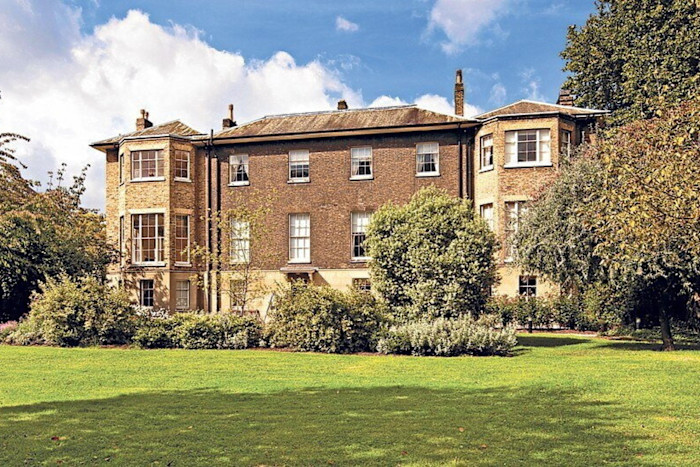
In early April 2026, British property developer Nick Candy made headlines with a transaction that has reshaped perceptions of luxury real estate in the United Kingdom. His family home in London’s prestigious Chelsea district was sold for more than £270 million, a figure widely believed to represent the most expensive single residential property sale in history.
- A Sale That Redefines London’s Luxury Market
- From Property Mogul to Market Powerhouse
- The Chelsea Mansion: More Than a Home
- A Record Deal With Global Implications
- Political Ties and Expanding Influence
- Wealth Strategy: Assets, Leverage, and Expansion
- The Cultural and Market Impact
- What Comes Next for Nick Candy?
- Conclusion: A Defining Moment in Modern Real Estate
The estate, set on a two-acre site, carries historical significance—it once hosted the residence of Britain’s first Prime Minister, Robert Walpole. Over time, it was transformed into a landscaped property resembling a grand countryside estate, blending heritage with ultra-modern luxury.
This landmark sale is not merely about wealth or exclusivity. It reflects deeper shifts in global capital flows, high-net-worth buyer behavior, and London’s enduring appeal as a destination for elite property investment.

From Property Mogul to Market Powerhouse
Nick Candy’s rise is closely tied to his partnership with his brother, Christian Candy. Together, the Candy brothers built a formidable reputation in luxury real estate, developing high-end residential properties in London and internationally.
Their projects have consistently targeted the ultra-wealthy—clients seeking not just homes, but statements of status. Over the years, Candy has positioned himself at the intersection of property development, global finance, and elite networks.


His portfolio extends beyond London, including high-value assets in cities such as Los Angeles, as well as sought-after developments like One Hyde Park, one of the most exclusive residential complexes in the world.
The Chelsea Mansion: More Than a Home
The Chelsea property—often referred to as Providence House—was not just a residence. It was an asset engineered for prestige, influence, and global attention.
Key features and context surrounding the property include:
- A Grade II-listed structure located near the Royal Chelsea Hospital
- Expansive grounds with landscaped gardens, a lake, and luxury amenities such as a swimming pool
- Ownership linked through Providence House LLP, involving both Nick Candy and his estranged wife, Holly Valance
- Historical and political relevance, including hosting high-profile events
One notable event held at the property was a 2024 fundraising gathering connected to political figures, underscoring how the estate functioned as a hub for influence as much as residence.



A Record Deal With Global Implications
The transaction’s scale—reported at over £270 million—places it at the top of global residential property sales. The buyer remains unnamed, a common feature in ultra-high-net-worth deals where privacy is paramount.
The significance of this sale extends beyond the headline number:
- It reinforces London’s position as a safe haven for global wealth
- It signals sustained demand for trophy assets despite economic uncertainties
- It highlights the increasing concentration of capital among ultra-wealthy buyers
In practical terms, this type of transaction influences valuation benchmarks across prime real estate markets, particularly in cities competing for international investment.
Political Ties and Expanding Influence
Nick Candy’s profile is not limited to property development. He has become an influential figure in UK political fundraising, particularly through his involvement with Reform UK.
As a major donor and honorary treasurer, Candy reportedly contributed around £1 million to the party. His role extends beyond financial backing—he has been present at strategic discussions and high-level meetings involving political figures such as Nigel Farage.
Candy’s involvement in proposals aimed at attracting wealthy individuals to the UK—such as residency incentives tied to financial contributions—illustrates a broader trend: the merging of wealth, policy, and global mobility.
Wealth Strategy: Assets, Leverage, and Expansion
Beyond the Chelsea sale, Candy’s financial strategy reflects a diversified approach to high-value real estate:
- A £175 million penthouse at One Hyde Park has been listed for sale
- A luxury mansion in Los Angeles is also on the market
- Commercial properties in Mayfair further anchor his portfolio
These moves suggest a deliberate repositioning of assets—potentially to unlock liquidity, rebalance investments, or respond to shifting global demand.
Financial structures tied to his holdings, including partnerships and bank financing arrangements, indicate the use of leverage typical in large-scale property investments.
The Cultural and Market Impact
The sale of Candy’s Chelsea mansion carries symbolic weight. It illustrates:
- The globalization of luxury real estate markets
- The role of elite property as both investment and status instrument
- The enduring magnetism of London despite regulatory and tax changes
At the same time, such transactions often fuel debates about housing inequality, foreign ownership, and the social implications of ultra-luxury development in major cities.
What Comes Next for Nick Candy?
Candy’s trajectory suggests continued influence across both business and political spheres. With major assets still in play and active involvement in policy discussions, his next moves will likely attract sustained attention.
Future developments to watch include:
- Further high-value property disposals or acquisitions
- Expansion into new international markets
- Increased political engagement or advisory roles
Given his track record, Candy is unlikely to retreat from the spotlight. Instead, he appears positioned to remain a central figure in the evolving landscape of global wealth and real estate.
Conclusion: A Defining Moment in Modern Real Estate
Nick Candy’s record-breaking sale is more than a headline—it is a case study in how wealth, property, and influence intersect at the highest levels.
From transforming historic estates into ultra-luxury assets to shaping political conversations, Candy exemplifies a new kind of entrepreneur—one whose impact extends beyond business into broader economic and societal dynamics.
As global markets continue to evolve, transactions like this will not just reflect wealth—they will help define its direction.