





Inside the Global Information Battle: How the US Is Responding to “Hostile Propaganda”
A Strategic Shift in the Modern News Landscape
The global news environment is no longer defined solely by traditional journalism or state media. Instead, it has evolved into a complex digital battleground where governments, private platforms, and information networks intersect. In this shifting terrain, the United States has initiated a coordinated international response aimed at countering what it describes as “hostile propaganda.”
- A Strategic Shift in the Modern News Landscape
- The Directive: A Coordinated Global Campaign
- Technology Meets Diplomacy: The Role of Digital Platforms
- Why This Matters: The Rise of Information Warfare
- The Diplomatic Frontline: Embassies as Information Hubs
- Balancing Influence and Trust
- The Broader Implications for News and Media
- What Comes Next: The Future of Global Information Strategy
- Conclusion: A New Era of News and Influence
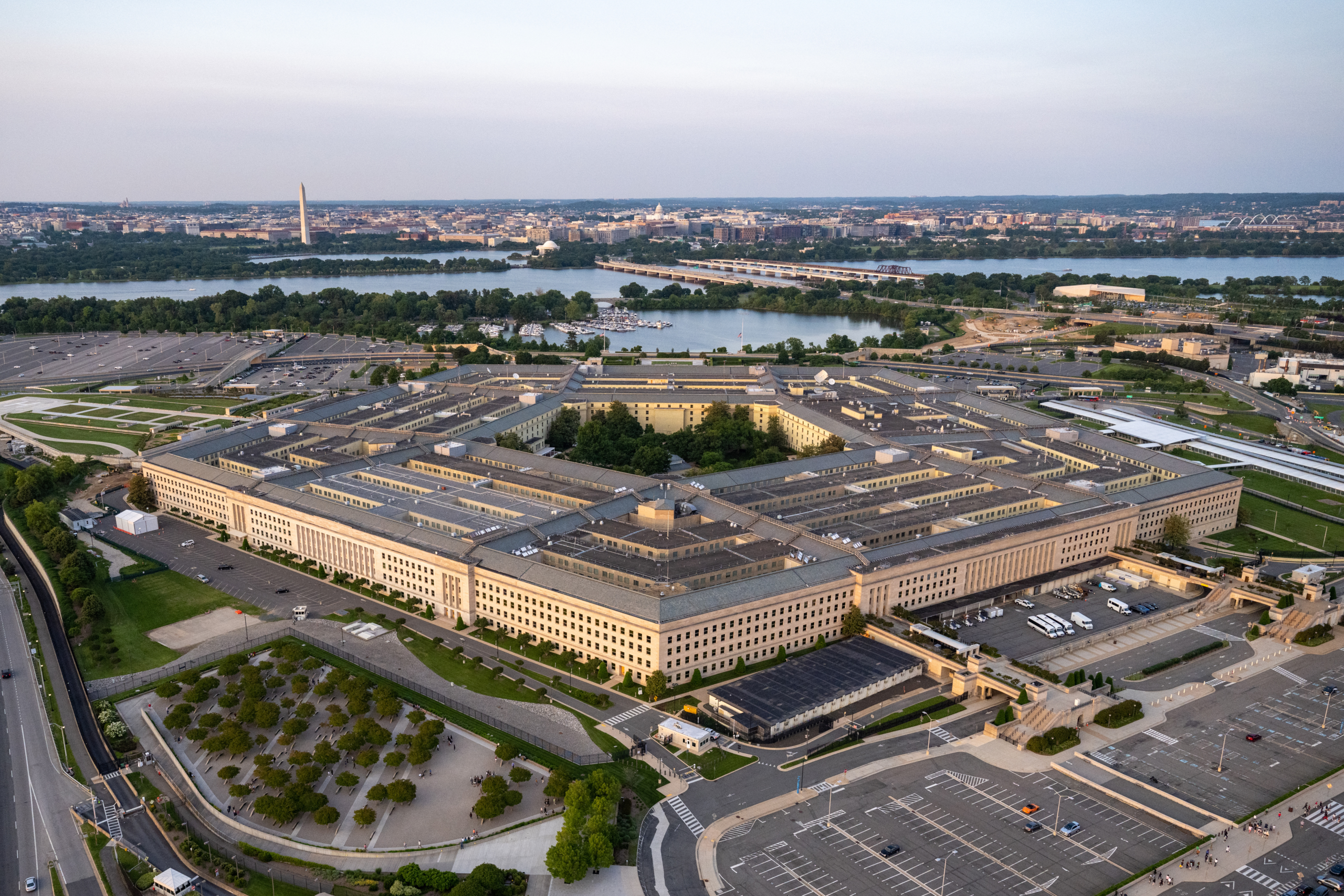
At the center of this development is a diplomatic directive signed by Marco Rubio, outlining a comprehensive strategy for US embassies worldwide. The directive reflects a broader recognition: information is now a strategic asset, and influence over narratives can shape geopolitical outcomes as much as military or economic power.
The Directive: A Coordinated Global Campaign
According to the directive, US embassies and consulates have been instructed to launch synchronized campaigns across multiple regions. The objective is twofold—challenge foreign disinformation and reinforce American messaging globally.



This initiative introduces a structured, five-part framework designed to guide diplomatic communication efforts:
The Five Strategic Pillars
The directive emphasizes a targeted approach built around the following priorities:
- Countering hostile messaging: Identifying and responding to narratives considered misleading or adversarial.
- Expanding access to information: Ensuring audiences can access alternative or verified perspectives.
- Exposing adversary behaviour: Highlighting activities or campaigns attributed to foreign actors.
- Amplifying pro-US voices: Supporting narratives aligned with American interests.
- “Telling America’s story”: Promoting national values, policies, and global contributions.
This framework signals a transition from reactive communication toward proactive narrative shaping—an approach more commonly associated with strategic communications and influence operations.
Technology Meets Diplomacy: The Role of Digital Platforms
A notable dimension of the plan involves leveraging digital platforms, particularly X, owned by Elon Musk.
Embassies, along with Pentagon-linked psychological operations (psy-ops) units, are expected to utilize tools such as Community Notes—features designed to add context or fact-check content collaboratively. This integration reflects how social media has become central to information dissemination, verification, and contestation.
The involvement of military psychological operations further underscores the seriousness of the initiative. Traditionally associated with conflict scenarios, psy-ops capabilities are now being adapted to peacetime information environments.
Why This Matters: The Rise of Information Warfare
The directive emerges in a broader context where information warfare has become a defining feature of international relations. Governments increasingly view disinformation not merely as a communications challenge but as a strategic threat.
Several factors explain this shift:
- Speed of dissemination: Digital platforms allow narratives to spread globally within minutes.
- Audience fragmentation: Diverse media ecosystems make it harder to maintain consistent messaging.
- Low-cost influence: Compared to traditional warfare, information campaigns require fewer resources but can have significant impact.
By directing embassies to actively participate in narrative management, the United States is acknowledging that diplomacy now extends beyond formal negotiations into the digital public sphere.
The Diplomatic Frontline: Embassies as Information Hubs
Historically, embassies have functioned as centers for diplomacy, cultural exchange, and consular services. This directive repositions them as active participants in global information ecosystems.
Embassies are now expected to:
- Monitor local and international media narratives
- Engage directly with audiences through digital platforms
- Coordinate messaging with central government strategies
- Collaborate with partners to reinforce shared perspectives
This transformation reflects a broader institutional adaptation to the realities of modern communication.
Balancing Influence and Trust
While the strategy is designed to counter disinformation, it also raises important questions about credibility and trust. In an environment where audiences are increasingly skeptical of official narratives, the effectiveness of such campaigns depends heavily on transparency and perceived authenticity.
Efforts to “tell America’s story” must therefore navigate a delicate balance—asserting national perspectives while maintaining credibility among global audiences.
The Broader Implications for News and Media
This development has wider implications for how news is produced, distributed, and consumed:
- Blurred lines between state and platform roles: Governments and tech companies are increasingly intertwined in shaping information flows.
- Rise of hybrid communication strategies: Traditional diplomacy now integrates digital engagement and psychological operations.
- Changing role of journalists: News organizations operate within a more contested information environment, where official narratives compete directly with alternative sources.
For audiences, this means navigating a more complex media landscape where multiple actors—state and non-state—actively shape the narratives they encounter.
What Comes Next: The Future of Global Information Strategy
Looking ahead, this initiative is likely to influence how other nations approach information management. As more governments adopt similar strategies, the global information environment could become increasingly competitive and fragmented.
Key trends to watch include:
- Greater integration of AI and data analytics in narrative tracking
- Expanded collaboration between governments and technology platforms
- Increased emphasis on real-time response to emerging narratives
The directive signals that the contest over information is not a temporary phase but a long-term structural feature of global affairs.
Conclusion: A New Era of News and Influence
The United States’ directive to its embassies marks a significant evolution in how governments engage with the news ecosystem. By combining diplomatic networks, digital platforms, and psychological operations, the initiative reflects a comprehensive approach to modern information challenges.
At its core, this development highlights a fundamental shift: news is no longer just about reporting events—it is also about shaping perception. As this trend accelerates, understanding the forces behind the information we consume becomes increasingly essential.