




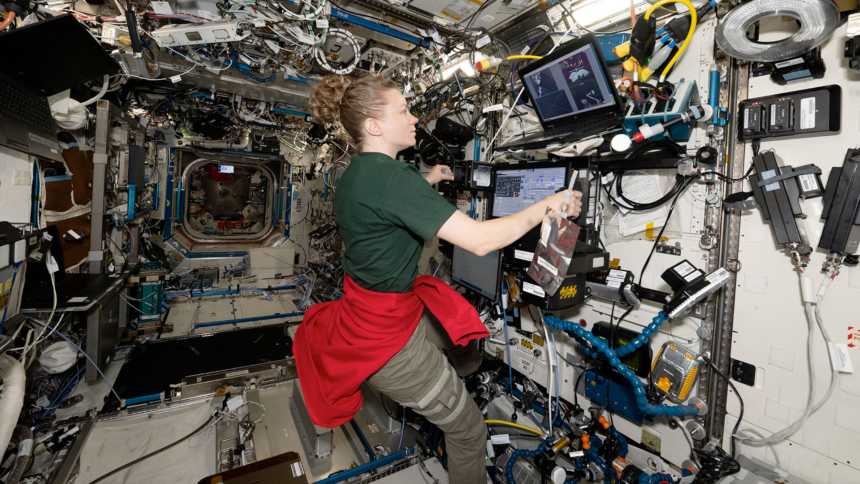
NASA Astronauts Space Station Evacuation: Inside the First Medical Emergency Exit in ISS History
A Routine Mission Interrupted by the Unexpected
For more than two decades, the NASA-operated International Space Station has symbolized stability in human spaceflight—a continuously occupied outpost orbiting Earth without a single full-scale medical evacuation.
- A Routine Mission Interrupted by the Unexpected
- The Moment That Changed the Mission
- Emergency Protocol Activated
- A Historic Decision: Evacuating Crew-11
- The Unresolved Medical Mystery
- Why This Matters Beyond the ISS
- Technology, Risk, and the Future of Space Medicine
- A Turning Point for Human Spaceflight
- Conclusion
That record ended abruptly in January 2026.
What began as a routine day aboard the station turned into a historic emergency when astronaut Mike Fincke suddenly lost the ability to speak. The episode, brief but alarming, triggered the first evacuation in the station’s 25-year history and forced NASA to confront a critical question: how prepared are astronauts for unpredictable medical events in space?
Related News
The Moment That Changed the Mission
The incident occurred on January 7, during what should have been a standard pre-spacewalk routine. Fincke, a veteran astronaut and retired Air Force colonel, was eating dinner and preparing for a scheduled spacewalk the following day.
Without warning, something went wrong.
“It was completely out of the blue. It was just amazingly quick,” Fincke later explained.
He felt no pain. He was not choking. Yet, suddenly, he could not speak.
The episode lasted approximately 20 minutes—long enough to raise immediate concern among his fellow crew members, who recognized the seriousness of the situation and acted without hesitation.
“It was all hands on deck within just a matter of seconds,” Fincke said, describing the crew’s rapid response.
The loss of speech—particularly sudden and unexplained—signaled a potential neurological emergency. In space, where medical resources are limited and delays can be fatal, uncertainty alone can be grounds for escalation.
Emergency Protocol Activated
The response followed a clear objective: stabilize the astronaut, assess the risk, and determine whether continued mission operations were safe.
These steps illustrate how NASA manages in-orbit medical emergencies:
- Immediate crew assessment: Fellow astronauts monitored Fincke’s condition and ensured he remained stable.
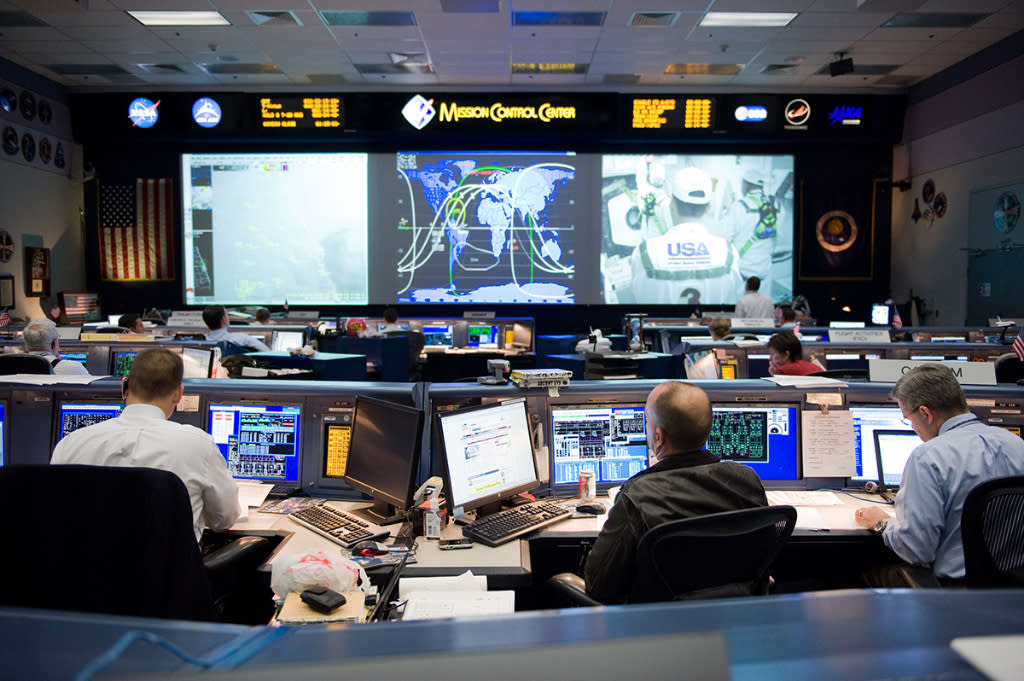
- Ground consultation: NASA flight surgeons were contacted in real time to evaluate symptoms.
- Operational halt: The planned spacewalk was canceled to reduce risk exposure.
- Diagnostic attempt: The ISS onboard ultrasound system was used to gather preliminary data.
- Evacuation decision: NASA opted for an early return to Earth for full medical evaluation.
This protocol is designed to buy time and reduce uncertainty—but in this case, the ambiguity remained.
Doctors ruled out a heart attack and choking, yet the underlying cause of the episode has not been identified.
A Historic Decision: Evacuating Crew-11
NASA ultimately made a rare and consequential call: terminate the mission early.
The entire Crew-11 team—Mike Fincke, Zena Cardman, Kimiya Yui, and Oleg Platonov—was ordered back to Earth more than a month ahead of schedule.
On January 15, the crew departed the ISS aboard a SpaceX Crew Dragon capsule.
After splashdown in the Pacific Ocean near San Diego, they were transported directly to a hospital for further testing—an indication of how seriously NASA treated the event.
This marked the first full-scale medical evacuation in the station’s history, setting a precedent for future missions.
The Unresolved Medical Mystery
Despite extensive testing, the incident remains unexplained.
NASA has confirmed:
- No evidence of heart attack
- No choking or airway obstruction
- No immediate diagnosis from onboard tools
This leaves open a wide range of possibilities, including neurological, cardiovascular, or spaceflight-induced physiological effects.
One area under investigation is the impact of long-duration exposure to microgravity. Fincke had accumulated 549 days in space—a level of exposure that places him among the most experienced astronauts in history.
Researchers are now examining whether prolonged weightlessness may contribute to rare or previously undocumented medical events.
NASA has also begun reviewing historical astronaut data to identify whether similar symptoms may have occurred but gone unnoticed or unreported.
Why This Matters Beyond the ISS
The evacuation is not just a one-off incident—it has broader implications for the future of human space exploration.
Low Earth orbit missions, like those conducted on the ISS, have a critical advantage: astronauts can return to Earth relatively quickly.
But upcoming missions under the Artemis program will not have that safety net.
Artemis II, for example, is designed to send astronauts far beyond Earth orbit. In such missions:
- Immediate evacuation is impossible
- Advanced hospital care is unavailable
- Crews must rely entirely on onboard systems
This incident highlights a structural gap: space medicine has not yet fully caught up with mission ambition.
Technology, Risk, and the Future of Space Medicine
The Crew-11 evacuation is already influencing discussions around spacecraft design and mission planning.
According to emerging analysis, the following areas are likely to see increased focus:
- Onboard diagnostics: Enhanced imaging and monitoring tools capable of detecting neurological or cardiovascular anomalies
- Telemedicine systems: Improved real-time communication between astronauts and ground-based doctors
- Redundancy protocols: Backup systems for critical health monitoring
- Predictive analytics: AI-driven tools to anticipate medical risks before symptoms appear
These developments are not theoretical—they are becoming essential requirements for deep-space missions.
The incident has also drawn attention from the aerospace industry, particularly companies involved in spacecraft design and mission infrastructure, as new medical requirements could reshape future contracts and engineering priorities.
A Turning Point for Human Spaceflight
For decades, the International Space Station has operated without a medical evacuation—a testament to preparation, training, and risk management.
That era has now ended.
The sudden loss of speech experienced by Mike Fincke did not result in lasting harm, but it exposed a vulnerability that cannot be ignored: even in highly controlled environments, human physiology remains unpredictable.
NASA’s response was swift and effective, but the unanswered questions remain.
As the agency prepares to send astronauts farther than ever before, the lessons from this evacuation will shape how future missions are designed, monitored, and safeguarded.
Conclusion
The NASA astronauts space station evacuation marks a pivotal moment in the history of human spaceflight.
It was not caused by mechanical failure or external threat—but by the unknown.
A 20-minute medical episode forced the first evacuation of the ISS, cut short a major mission, and raised new concerns about astronaut health in space.
As exploration pushes beyond Earth orbit, the challenge is no longer just reaching distant destinations—it is ensuring that those who go can safely return, even when the unexpected happens.