





Nandipha Magudumana: A Case at the Crossroads of Crime, Grief, and Public Debate
A High-Profile Figure Under Scrutiny
Few recent legal cases in South Africa have generated as much sustained public attention as that of Nandipha Magudumana. Once known as a successful aesthetics doctor, Magudumana’s name is now closely tied to one of the country’s most controversial prison escape cases involving Thabo Bester.
- A High-Profile Figure Under Scrutiny
- The Personal Tragedy Behind the Headlines
- The Compassionate Leave Debate Explained
- Conflicting Reports and Public Reaction
- The Case That Changed Everything
- Courtroom Moments and Public Perception
- A Case Reflecting Broader Social Questions
- What Comes Next?
- Conclusion: A Story Still Unfolding
As her legal proceedings continue, a new and deeply personal development has brought renewed focus to her situation: the death of her mother, and the question of whether she should be granted compassionate leave to attend the funeral. This moment has added a human dimension to an already complex case, prompting debate across legal, ethical, and societal lines.
The Personal Tragedy Behind the Headlines
In late March 2026, Magudumana’s mother, Nokuzola Sekeleni, passed away at her home in Port Shepstone, KwaZulu-Natal. The loss came while Magudumana remains in custody, awaiting trial.

Her legal representative confirmed that she has been receiving psychological support during this period of mourning. The emotional strain is compounded by her inability to be with her family during this time—a factor that has intensified public interest in her request for compassionate leave.
Her father also expressed sorrow over the situation, noting the painful reality that his daughter remains incarcerated during a major family bereavement.



The Compassionate Leave Debate Explained
What the Process Aims to Achieve
In correctional systems, compassionate leave provisions exist to balance humane treatment of inmates with the need to maintain security and public safety. These provisions allow incarcerated individuals to apply for temporary release under strict conditions, particularly in cases of family bereavement.
Legal Framework in South Africa
According to the Department of Correctional Services, the process is governed by the Correctional Services Act, 1998. The law allows for temporary release in specific circumstances:
- To maintain family ties
- For humane or compassionate reasons
However, approval is not automatic. Each application is evaluated based on:
- Risk classification of the inmate
- Security considerations
- Behavioural record
- Nature of the request
Authorities emphasize that the system is designed to ensure both humane treatment and the safety of the broader community.



Conflicting Reports and Public Reaction
The issue of Magudumana attending her mother’s funeral has triggered mixed reactions and some confusion.
On one hand, reports indicated that her family had formally applied for permission for her to attend the funeral. On the other hand, her family later denied claims that they had asked the government to grant such permission.
This contradiction has fueled speculation and debate, with the public divided into two broad perspectives:
- Supporters argue that, regardless of the charges she faces, she deserves basic human compassion during a time of grief.
- Critics contend that the seriousness of the allegations against her should outweigh considerations for temporary release.
The case has therefore become not just a legal matter, but a reflection of broader societal tensions around justice, empathy, and accountability.
The Case That Changed Everything
To understand the intensity of public interest, it is necessary to revisit the case that brought Magudumana into the spotlight.
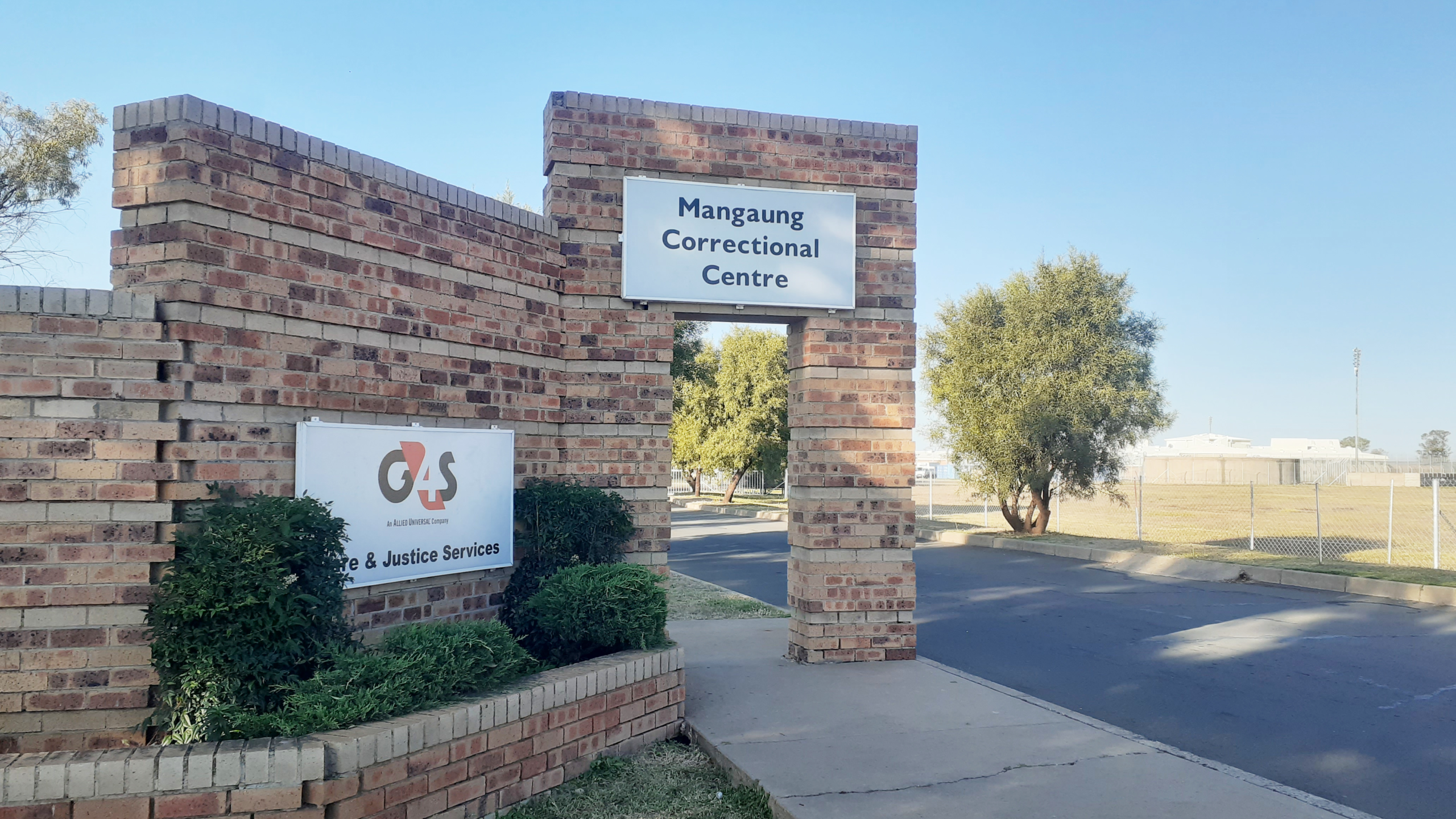
She was arrested in April 2023 in Arusha, Tanzania, alongside Thabo Bester. Authorities allege that she played a key role in assisting Bester’s dramatic escape from the Mangaung Correctional Centre in May 2022—an escape reportedly staged by faking his death in a prison cell fire.
Since their arrest, both have remained in custody, with Magudumana facing charges related to aiding and abetting the escape.
The case has drawn attention not only for its audacity but also for what it revealed about systemic vulnerabilities within correctional facilities.
Courtroom Moments and Public Perception
Magudumana’s court appearances have been closely followed, with moments such as her emotional reaction during her bail application in August 2023 becoming widely circulated.
These public displays have shaped perceptions of her in different ways:
- Some view her as a central figure in a calculated criminal operation.
- Others see a complex individual caught in extraordinary circumstances.
Her identity as a medical professional adds another layer of intrigue, challenging assumptions about who becomes involved in high-profile criminal cases.
A Case Reflecting Broader Social Questions
Beyond the legal proceedings, the Magudumana case raises several broader issues:
1. Trust in Institutions
The prison escape highlighted potential weaknesses in correctional systems, prompting calls for reform and accountability.
2. Media and Public Opinion
The intense media coverage has influenced how the public interprets both her actions and her current situation.
3. Justice vs. Compassion
Her request for compassionate leave has reignited debate over how justice systems should balance punishment with humanity.
What Comes Next?
As of now, Magudumana remains in custody, and any decision regarding compassionate leave rests with correctional authorities, who must weigh legal criteria against public sentiment.
Looking ahead, several developments are likely to shape the trajectory of this case:
- Progress in her trial and potential court rulings
- Decisions regarding temporary release requests
- Continued public and media scrutiny
The outcome will not only affect Magudumana personally but may also influence how similar cases are handled in the future.
Conclusion: A Story Still Unfolding
The story of Nandipha Magudumana sits at the intersection of crime, personal tragedy, and public debate. Her current situation—mourning the loss of her mother while facing serious criminal charges—has added a deeply human dimension to an already complex case.
Whether viewed through a legal, ethical, or societal lens, the case continues to evolve, raising difficult questions about justice, empathy, and accountability in modern South Africa.
As proceedings continue, it remains a story that is far from over.