


Nagelsmann and Undav: A Tactical Decision or a Brewing Controversy?
A Winning Goal That Sparked a Bigger Debate
Germany’s 2–1 victory over Ghana in Stuttgart was supposed to reinforce confidence ahead of the upcoming World Cup. Instead, it triggered a broader discussion about leadership, squad roles, and player management under national team coach Julian Nagelsmann.
- A Winning Goal That Sparked a Bigger Debate
- The Match: Impact Over Involvement
- Nagelsmann’s View: Defined Roles Over Moments
- The Tactical Logic Behind the Decision
- The Public Messaging Problem
- Undav’s Response: Acceptance with Ambition
- A Wider Pattern Around Nagelsmann
- Implications for the World Cup
- Conclusion: Efficiency vs. Authority
At the center of the debate stands Deniz Undav — the man who scored the decisive 88th-minute winner. His late goal secured the result, extended Germany’s winning streak, and energized the home crowd. Yet, despite delivering the match-winning moment, Undav found himself publicly downplayed by his coach.
The situation has evolved into more than a simple post-match analysis. It now reflects a deeper tension between tactical planning and player performance — a tension that could shape Germany’s approach heading into the World Cup.
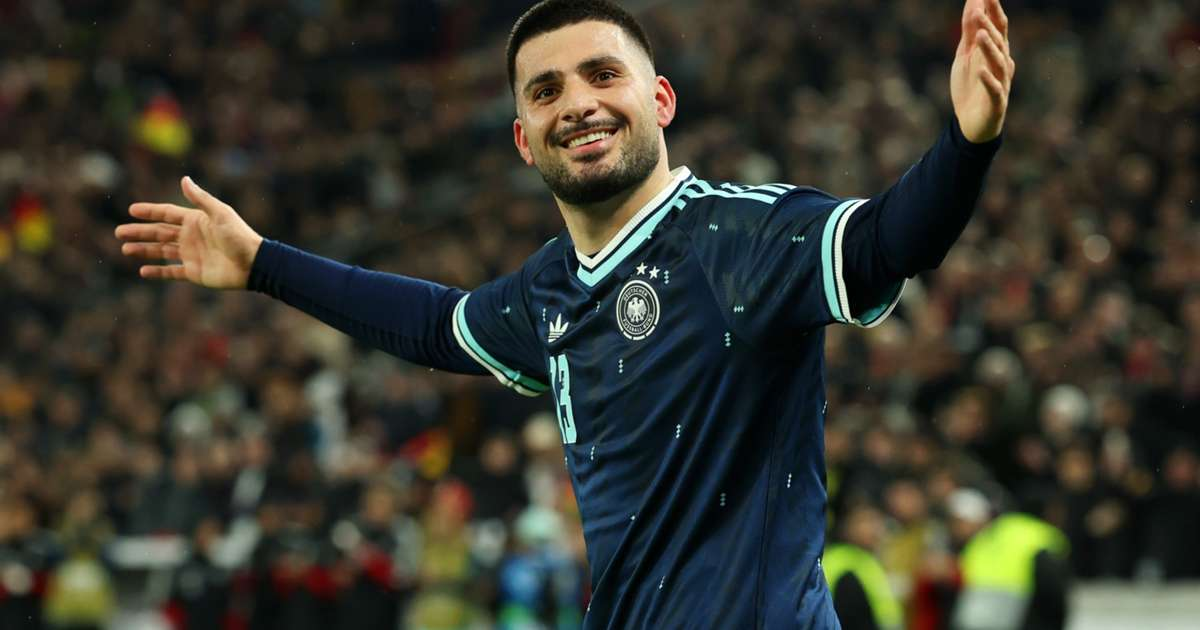

The Match: Impact Over Involvement
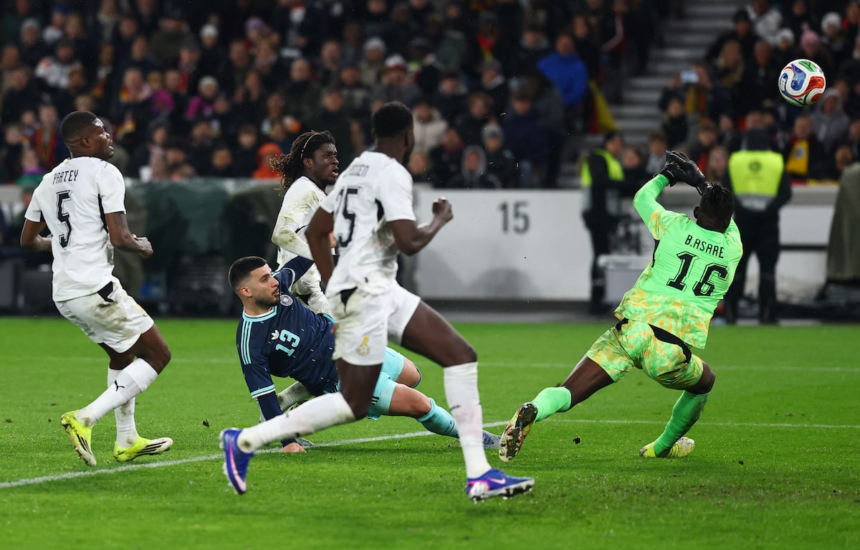
Germany’s win over Ghana followed a familiar pattern. After Kai Havertz opened the scoring from the penalty spot, Ghana equalized, leaving the game finely balanced heading into the closing stages.
Undav entered the match at halftime and, despite limited involvement, delivered the decisive contribution late on. His statistical output was minimal:

- 13 touches
- 6 completed passes
- 1 shot — which resulted in the winning goal
From a purely analytical perspective, his performance reinforced a specific player profile: low involvement, high efficiency. He was not central to build-up play, but he executed his primary task — scoring.
Nagelsmann’s View: Defined Roles Over Moments
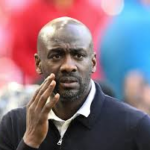
Nagelsmann’s post-match comments were precise and revealing. Rather than focusing on the outcome, he emphasized predefined tactical roles within the squad.
“He did what he often does in Stuttgart. He wasn’t very involved… But then he scored, that’s what he’s there for.”
The coach went further, making it clear that Undav’s goal would not alter his standing:

- His role is fixed as a late-game finisher
- Starting opportunities remain unlikely
- Tactical structure outweighs individual moments
Nagelsmann justified this rigidity by referencing consistency and authority:
“We have defined roles… otherwise I can forget about my credibility.”
This statement highlights a managerial philosophy built on pre-planning rather than reactive selection. For Nagelsmann, deviating from established roles risks undermining the entire squad structure.
The Tactical Logic Behind the Decision
From a strategic standpoint, Nagelsmann’s reasoning is not without merit.
Undav’s strengths align with specific match scenarios:
- Exploiting tired defenses late in games
- Finishing chances with minimal touches
- Operating as a high-impact substitute
Data from his club season reinforces this pattern — a significant portion of his goals come in later stages of matches . Additionally, Nagelsmann raised concerns about endurance in demanding conditions, particularly with World Cup matches expected to be physically taxing.
“If he already has 70 minutes in his legs, then it will be difficult.”
In this context, the decision appears less personal and more structural. Undav is not being excluded — he is being specialized.
The Public Messaging Problem
While the tactical reasoning is coherent, the delivery has created friction.
Nagelsmann’s comments were unusually blunt, even by modern coaching standards. He openly questioned Undav’s involvement and hinted that the striker’s own ambitions could work against him:
“He put himself under pressure… as soon as he starts scoring fewer goals…”
This approach has drawn criticism for two main reasons:
1. Player Management Concerns
Publicly diminishing a player’s contribution — especially after a match-winning goal — risks affecting morale and dressing room dynamics.
2. Fan Perception
Supporters, particularly in Stuttgart where Undav plays his club football, responded positively to the striker’s performance. The coach’s contrasting tone has led to confusion and frustration.
The reaction suggests that while Nagelsmann may be internally consistent, his external communication strategy is becoming a distraction.
Undav’s Response: Acceptance with Ambition
Despite the controversy, Undav has maintained a composed stance.
He acknowledged his role within the team structure and confirmed that expectations had been clearly communicated:
- He understands his position as a substitute
- He accepts the current hierarchy
- He hopes consistent scoring could influence future decisions
His response indicates alignment with the coach — at least publicly — but also leaves room for progression.
Importantly, Undav’s professionalism contrasts with the growing noise around the situation, positioning him as a reliable squad option regardless of role.
A Wider Pattern Around Nagelsmann
The Undav situation is not isolated. It reflects a broader pattern in Nagelsmann’s tenure:
- Highly detailed tactical planning
- Strong adherence to pre-defined roles
- Extensive public explanations of decisions
While this transparency provides clarity, it also exposes the coach to scrutiny. Critics argue that his insistence on structure can sometimes limit adaptability — particularly when players in strong form challenge established hierarchies.
At the same time, results remain on his side. Germany’s seven-match winning streak is their longest since the Hansi Flick era , suggesting that the system is functioning, at least in the short term.
Implications for the World Cup
The key question now is whether this approach will hold under tournament pressure.
Tournament football often rewards:
- Flexibility in selection
- Momentum-based decision-making
- Adaptation to in-game developments
Nagelsmann, however, appears committed to stability:
- Roles are predetermined
- Changes are limited
- Credibility is tied to consistency
This raises a critical tension:
Can a rigid structure accommodate the unpredictability of knockout football?
Undav’s case may serve as an early test of that balance.
Conclusion: Efficiency vs. Authority
The Nagelsmann–Undav situation captures a fundamental managerial dilemma.
On one side is efficiency — a striker who scores decisive goals with minimal involvement.
On the other is authority — a coach determined to maintain a clear and consistent tactical framework.
So far, Nagelsmann has chosen structure over spontaneity.
Whether that decision strengthens Germany’s World Cup campaign or limits its potential will only become clear when the stakes are highest. For now, one thing is certain: even in victory, the debate around roles, recognition, and flexibility is far from settled.