




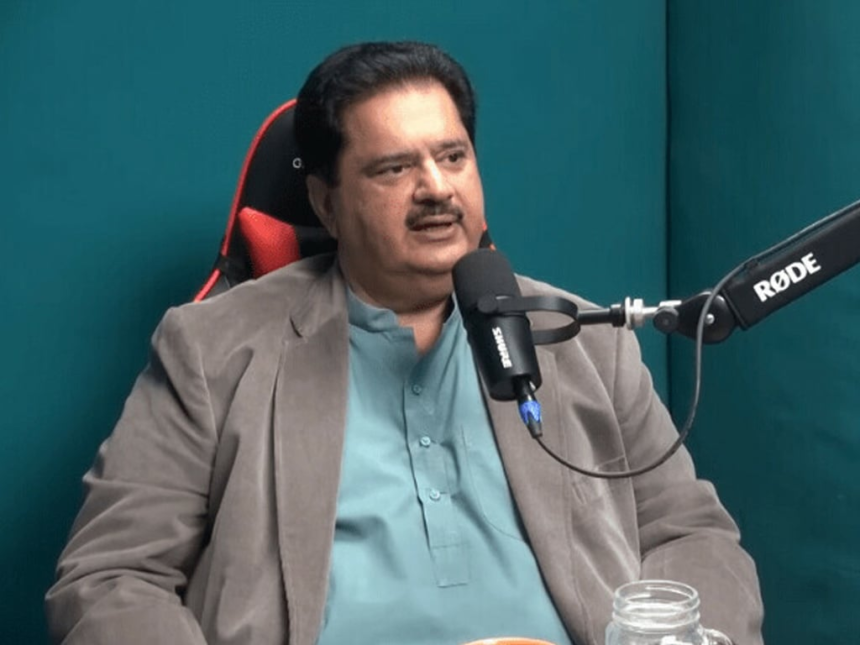
Nabil Gabol: Politics, Power, and the Private Stories Behind the Headlines
A Political Figure Back in Public Conversation
In recent days, renewed public attention has turned toward Nabil Gabol—not solely for his political career, but because of an unexpected intersection between cinema and real-life narratives. The release and discussion surrounding the film Dhurandhar 2 have reignited interest in figures believed to have inspired its characters, placing Gabol and his family under a renewed spotlight.
- A Political Figure Back in Public Conversation
- Who Is Nabil Gabol?
- The Dhurandhar 2 Effect: When Fiction Mirrors Reality
- Maheen Gabol: A Private Life Thrust Into Public Focus
- Allegations, Reports, and Media Narratives
- Marriage and Political Connections
- Politics and Privacy: A Delicate Balance
- The Broader Cultural Impact
- What Comes Next?
- Conclusion: A Story Beyond Politics
While the film blends fiction with elements reportedly drawn from reality, the discussions it has triggered offer a lens into the complex overlap between politics, personal life, and public perception in Pakistan’s socio-political landscape.
Who Is Nabil Gabol?
Nabil Gabol is widely recognized as a prominent political figure in Pakistan, particularly associated with Sindh and the city of Karachi. Over the years, he has held influential roles and built a reputation as a vocal and often outspoken politician.
His political journey has been defined by:
- Active participation in national and regional politics
- A strong presence in Karachi’s political discourse
- Affiliations with major political movements and parties
- Public engagement on governance, law and order, and urban issues
Gabol’s profile reflects a broader category of Pakistani politicians who operate at the intersection of grassroots influence and national visibility.
The Dhurandhar 2 Effect: When Fiction Mirrors Reality
The recent buzz stems largely from the film Dhurandhar 2, where a character named Jameel Jamali is reportedly believed to be loosely inspired by Gabol. While there has been no official confirmation, multiple reports suggest parallels that audiences have been quick to analyze.
This kind of narrative borrowing is not unusual in cinema. Films often draw from real-world personalities to create layered characters. However, in this case, the connection has gone beyond speculation, pulling Gabol’s family into public discussion.
Maheen Gabol: A Private Life Thrust Into Public Focus
Central to the current conversation is Maheen Gabol, daughter of Nabil Gabol. Unlike her father, she has largely remained outside the public and political spotlight.
A Life Away from Politics
- Maheen has maintained a low profile despite her father’s prominence
- Limited public information exists about her personal or professional pursuits
- The family has historically kept personal matters private
This deliberate distance from public life makes the current attention particularly striking.
Allegations, Reports, and Media Narratives
The renewed attention also brings with it a layer of controversy—though largely based on unverified reports and claims rather than official statements.


According to circulating media narratives:
- Maheen Gabol was allegedly linked to a member of the network associated with Uzair Baloch
- Following this situation, it is reported that she was sent to Kuwait
- The move was described as an effort to keep her away from public scrutiny
It is important to note that such claims remain part of media speculation, and the Gabol family has maintained its longstanding approach of privacy.
Marriage and Political Connections
In December 2025, Maheen Gabol reportedly entered a new chapter in her life through marriage.
Key Details
- She married Maula Bux Soomro
- He is the grandson of Elahi Bux Soomro
- The Soomro family carries its own political legacy in Pakistan
Maula Bux Soomro is said to be active in Sindh’s local political scene and has been associated with Pakistan Tehreek-e-Insaf.
This marriage effectively connects two politically significant families, reinforcing how political networks in Pakistan often extend through familial alliances.
Politics and Privacy: A Delicate Balance
The Gabol family’s situation highlights a recurring dynamic in South Asian politics—the tension between public office and private life.
For figures like Nabil Gabol:
- Public scrutiny is constant and often extends to family members
- Media narratives can blur the line between verified facts and speculation
- Maintaining privacy becomes increasingly difficult amid political prominence
The current discussion reflects how quickly personal stories can become part of a broader public narrative, especially when amplified by entertainment media.
The Broader Cultural Impact
The intersection of Dhurandhar 2 and real-life figures underscores a broader cultural phenomenon:
1. Cinema as a Reflection of Society
Films increasingly draw from real political and social events, making stories more relatable—but also more controversial.
2. Public Curiosity About Power Structures
Audiences are naturally drawn to stories involving political families, influence, and hidden narratives.
3. Blurring of Fact and Fiction
Without official confirmation, speculation fills the gap, often shaping public perception more strongly than verified information.
What Comes Next?
The conversation around Nabil Gabol is unlikely to fade quickly. Several factors suggest continued attention:
- Ongoing discussions about Dhurandhar 2 and its inspirations
- Public interest in political families and their private lives
- Media amplification of unresolved or ambiguous narratives
At the same time, the absence of official statements or confirmations means the story will likely remain in a space defined by speculation rather than clarity.
Conclusion: A Story Beyond Politics
Nabil Gabol’s current moment in public discourse is not driven by policy decisions or political developments, but by a convergence of cinema, speculation, and personal history.
It illustrates a broader truth: in modern media ecosystems, the lives of political figures—and even those who try to remain private—can become part of public storytelling without warning.
Whether viewed as coincidence, inspiration, or narrative construction, the situation reflects how influence, family, and perception continue to shape the legacy of public figures in Pakistan and beyond.