




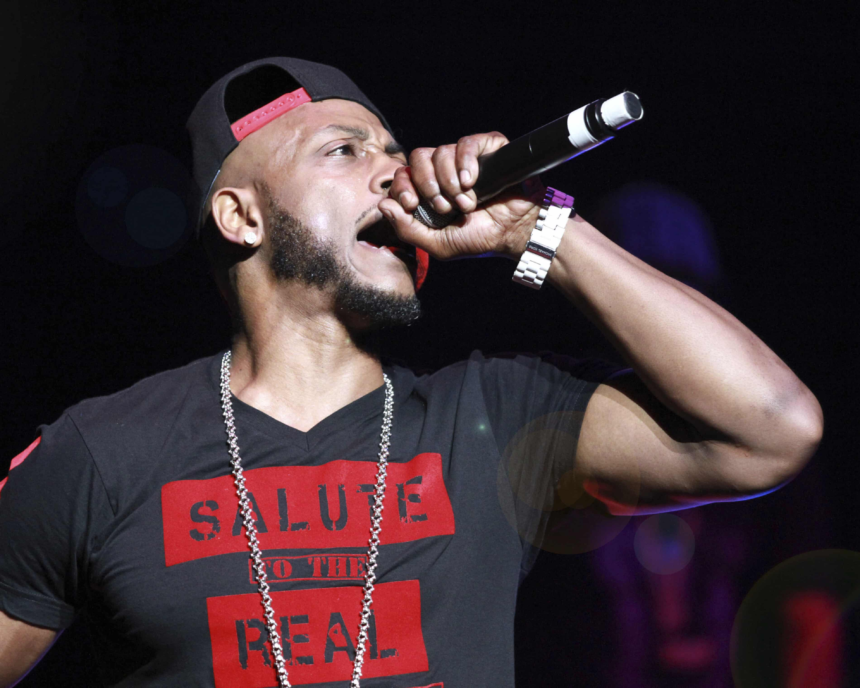
Mystikal: Fame, Fallout, and the Weight of Consequence
Introduction: A Career Revisited Under Legal Shadow
Few figures in hip-hop history embody the tension between artistic success and legal controversy as starkly as Mystikal. Known for his explosive delivery, Southern rap influence, and chart-topping hits, Mystikal—born Michael Lawrence Tyler—once stood at the forefront of early 2000s hip-hop. Today, however, his name is once again dominating headlines for reasons far removed from music.
- Introduction: A Career Revisited Under Legal Shadow
- The Rise: From Louisiana Roots to Global Recognition
- Early Legal Troubles: A Pattern Emerges
- The 2022 Case: Allegations and Arrest
- The Plea: A Strategic Legal Shift
- Industry Context: Accountability in Hip-Hop
- Cultural Impact: Legacy in Conflict
- What Comes Next: Sentencing and Long-Term Outlook
- Conclusion: A Career Defined by Contradiction
In March 2026, the 55-year-old rapper pleaded guilty to third-degree rape in a case stemming from his 2022 arrest. The development marks a critical moment not only in his personal trajectory but also in the broader conversation about accountability in the entertainment industry.
The Rise: From Louisiana Roots to Global Recognition
Mystikal’s ascent began in Louisiana, where his distinct vocal style and high-energy performances quickly set him apart. By the late 1990s and early 2000s, he had become one of the most recognizable voices in Southern hip-hop.
His breakout success came with the 2000 hit song Shake Ya Ass, a track that achieved global popularity and cemented his place in mainstream music. The song’s cultural reach extended beyond music charts, even appearing in the film About a Boy, starring Hugh Grant, Toni Collette, and Nicholas Hoult.
Mystikal’s commercial peak included:
-
A No. 1 album debut on the Billboard 200
-
Multiple hit singles
-
Two Grammy Awards nominations
At this stage, his trajectory aligned with the era’s biggest rap figures, positioning him as a defining voice of Southern hip-hop.


Early Legal Troubles: A Pattern Emerges
Despite his musical achievements, Mystikal’s career has long been overshadowed by repeated legal issues.
2004 Conviction
In 2004, he was convicted of sexual assault and extortion involving his hairstylist. The sentence:
-
Six years in prison
-
Mandatory registration as a sex offender
This moment marked a turning point. While many artists recover from controversy, the severity of the charges fundamentally altered public perception.
2012 Arrest
In 2012, Mystikal was jailed for three months following a misdemeanor domestic abuse charge, further reinforcing concerns about recurring behavioral patterns.

2017 Case
In 2017, he faced charges of rape and kidnapping. However, authorities ultimately dropped the case, leaving unresolved public scrutiny but no conviction.
These repeated incidents created a narrative that followed him long after his commercial peak.
The 2022 Case: Allegations and Arrest
The case that culminated in his 2026 guilty plea began in July 2022.
According to authorities in Ascension Parish, deputies responded to a hospital where a woman reported a violent assault. Officials described visible injuries and emotional distress.
A spokesperson for the sheriff’s office stated:
“Once we got there, we talked to the victim, who had some very visible injuries on her body, and she was very distraught.”
The victim identified Mystikal as the suspect. Deputies subsequently arrested him at his home in Prairieville, Louisiana.
Allegations Included:
-
Rape
-
Physical assault (beating and choking)
-
False imprisonment
-
Theft of personal items (phone and car keys)
-
Coercion to transfer money via Cash App
Mystikal was held without bond following the arrest.
The Plea: A Strategic Legal Shift
On 17 March 2026, Mystikal entered a guilty plea to third-degree rape in a state court outside Baton Rouge.
This plea represents a significant legal pivot.
Key Details:
-
Original charges included first-degree rape, simple robbery, domestic abuse battery, and false imprisonment
-
He initially pleaded not guilty to those charges
-
The guilty plea reduced the severity of the case
Had he been convicted on the original charges, he could have faced mandatory life imprisonment. Instead, under the plea agreement:
-
He now faces up to 20 years in prison
-
A sentencing hearing is tentatively scheduled for June 2026
-
A presentence investigation has been ordered
This outcome reflects a common prosecutorial strategy: securing a conviction while avoiding the uncertainty of trial.
Industry Context: Accountability in Hip-Hop
Mystikal’s case is part of a broader reckoning within the music industry, particularly hip-hop, where issues of violence, accountability, and celebrity privilege are increasingly scrutinized.
Historically, artists with legal controversies often continued successful careers. However, evolving public attitudes—driven by social movements and digital transparency—have shifted expectations.
Key implications include:
-
Reduced tolerance for repeated allegations
-
Increased pressure on record labels and collaborators
-
Heightened media scrutiny
Mystikal’s situation illustrates how past fame no longer insulates public figures from long-term consequences.
Cultural Impact: Legacy in Conflict
Mystikal’s legacy is now deeply conflicted.
On one hand:
-
He remains a pivotal figure in Southern rap
-
His music influenced a generation of artists
-
His energetic performance style remains distinctive
On the other:
-
His legal history has overshadowed his artistic contributions
-
Repeated offenses have eroded public trust
-
His name is increasingly associated with controversy rather than music
This duality raises a broader question: how should audiences reconcile artistic achievement with personal conduct?
What Comes Next: Sentencing and Long-Term Outlook
With sentencing scheduled for June 2026, the immediate future hinges on judicial decisions.
Possible Outcomes:
-
A prison sentence of up to 20 years
-
Long-term absence from the music industry
-
Further damage to his public and professional standing
From an industry perspective, a return to mainstream relevance appears unlikely. Even prior to this case, Mystikal’s career had struggled to regain momentum following earlier convictions.
Conclusion: A Career Defined by Contradiction
Mystikal’s story is not simply one of rise and fall—it is a case study in how talent, opportunity, and personal decisions intersect over time.
At his peak, he represented the raw energy and innovation of Southern hip-hop. Today, his narrative is dominated by legal consequences and unresolved questions about accountability.
The 2026 guilty plea does not close the chapter—it reframes it. His sentencing will determine the next phase, but the broader legacy has already been reshaped.