


My Ticket: The Race for Soweto Derby Seats Turns Into a Digital Frenzy
A Ticket, a Rivalry, and a System Under Pressure
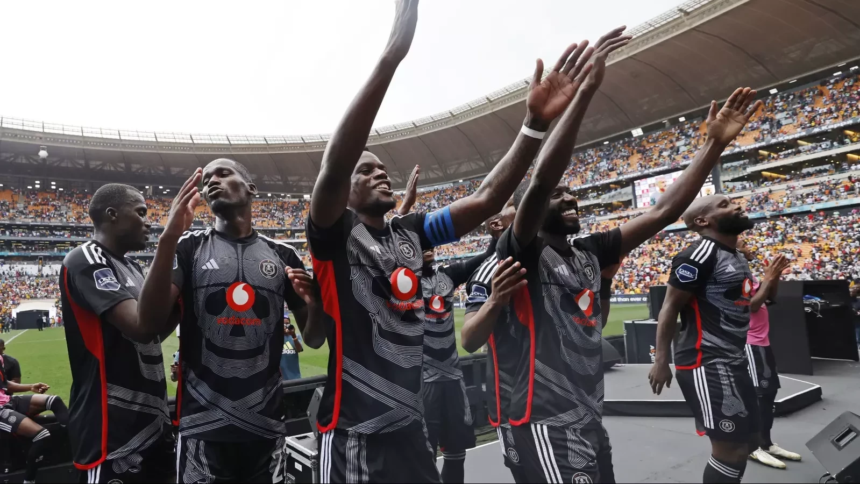
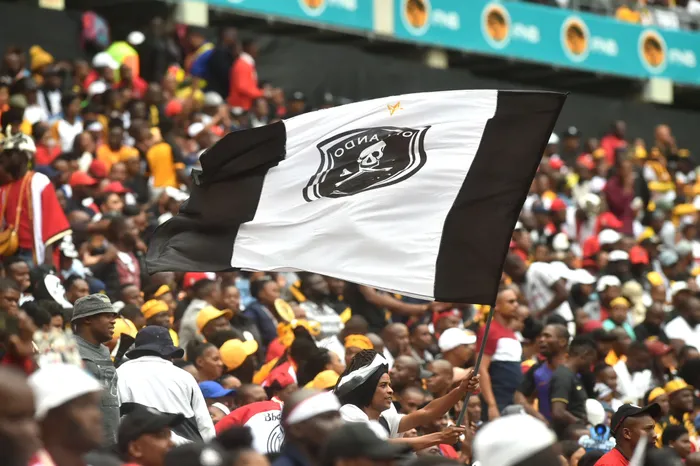
Few sporting events in African football generate as much anticipation as the Soweto Derby between Kaizer Chiefs and Orlando Pirates. It is more than just a football match—it is a cultural spectacle, a clash of identities, and a tradition deeply embedded in South Africa’s sporting fabric.
- A Ticket, a Rivalry, and a System Under Pressure
- The Demand That Broke the System
- Why This Match Matters More Than Most
- Pricing, Access, and the Structure of “My Ticket”
- When Technology Meets Passion
- The Cultural Weight of “Being There”
- Implications for Organizers and Platforms
- What Happens Next?
- Conclusion: More Than Just a Ticket
This year, however, the conversation is not only about what will happen on the pitch. It is also about what unfolded online. As tickets for the highly anticipated second-round derby went live, thousands of supporters rushed to secure their seats—only to encounter delays, system crashes, and mounting frustration.
The phrase “my ticket” quickly became symbolic of something bigger: the urgency, competition, and emotional investment tied to being part of this historic encounter.
The Demand That Broke the System
Tickets officially went on sale on 30 March 2026, with distribution handled exclusively through the MyTicket platform—either via its mobile app or website.
Within minutes, it became clear that demand had reached extraordinary levels.

Reports indicate that:
- The ticketing system experienced slow processing almost immediately
- Server errors began disrupting transactions
- The platform eventually crashed roughly an hour after launch
For many fans, the experience was defined by repeated refresh attempts, stalled payments, and uncertainty over whether their purchase had gone through.
This surge was not unexpected. The first-round derby earlier in February sold out within just a few hours—setting a precedent for high-pressure ticket demand.
Why This Match Matters More Than Most
The upcoming fixture is not just another league game. It carries historical, emotional, and logistical significance.
A Historic Milestone Clash
This encounter will mark the 185th official meeting between Kaizer Chiefs (Amakhosi) and Orlando Pirates (the Sea Robbers). Few rivalries globally can match this level of continuity and intensity.
A Strategic Date Shift
Originally scheduled for Saturday, 25 April, the match has been moved to Sunday, 26 April due to logistical constraints in the Nasrec precinct, which will host a music festival on the Saturday.
The rescheduling introduces a practical advantage:
- Monday, 27 April is Freedom Day, a public holiday in South Africa
- Travelling supporters are given additional flexibility
The Venue: A Stage Built for Spectacle
The match will take place at FNB Stadium, one of Africa’s most iconic sporting arenas.
Kick-off is set for 15:00, with expectations of a full-capacity crowd and an electrifying atmosphere.
Pricing, Access, and the Structure of “My Ticket”
The ticketing structure reflects both accessibility and demand segmentation.
Ticket Pricing
- Level 1 & Level 5: R120
- Level 2: R170
Additional Requirements
- Parking tickets: R50
- No vehicle access without a valid parking pass
- Suite tickets handled separately via Sail
The process is entirely digital, emphasizing convenience but also placing significant pressure on system capacity.
When Technology Meets Passion
The system crash highlights a broader issue: the growing tension between digital convenience and real-world demand.
In theory, online ticketing platforms are designed to:
- Eliminate queues
- Improve distribution efficiency
- Reduce fraud and reselling
In practice, events like the Soweto Derby expose their limitations.
Key Challenges Observed
- Server Overload
High concurrency—thousands of users accessing the platform simultaneously—overwhelms infrastructure. - Transaction Bottlenecks
Payment processing delays create uncertainty and duplicate attempts. - User Experience Breakdown
Fans are left unsure whether they successfully secured tickets.
This scenario is not unique to South Africa. Similar patterns have been observed globally for high-demand events, from football finals to major concerts.
The Cultural Weight of “Being There”
For supporters, attending the Soweto Derby is not optional—it is aspirational.
In February, Kaizer Chiefs fans transformed the stadium into a sea of gold and black. The expectation for April is no different. Fans are already preparing to recreate that atmosphere, reinforcing the derby’s identity as a fan-driven spectacle.
The urgency behind securing “my ticket” is tied to:
- Identity and loyalty
- Community participation
- The experience of live football at its peak
Missing out is not just about skipping a match—it is about being excluded from a shared cultural moment.
Implications for Organizers and Platforms
The events surrounding ticket sales raise important operational questions for stakeholders.
For Clubs and Stadium Authorities
- Anticipate demand spikes with greater accuracy
- Coordinate logistics with surrounding events (e.g., music festivals)
- Improve communication around ticket availability
For Ticketing Platforms
- Scale infrastructure for peak demand scenarios
- Implement queueing systems to manage traffic
- Provide real-time updates to users
For Fans
- Early access becomes critical
- Preparedness (account setup, payment readiness) improves success chances
- Patience remains necessary in high-demand scenarios
What Happens Next?
Despite the early technical setbacks, one outcome remains certain: tickets will sell out quickly.
As system stability improves and access resumes, remaining seats are expected to disappear within a short timeframe—mirroring the rapid sell-out of the previous derby.
Attention will then shift from screens to the pitch, where two of South Africa’s biggest football institutions will once again compete in front of tens of thousands.
Conclusion: More Than Just a Ticket
The story of “my ticket” for the Soweto Derby is ultimately about scale—of demand, passion, and expectation.
It reflects:
- The enduring power of football rivalries
- The limitations of digital infrastructure under extreme pressure
- The emotional investment of supporters
As the countdown to 26 April continues, the ticketing chaos will likely fade into memory. What will remain is the spectacle itself—a packed stadium, divided colors, and ninety minutes that define a season.