Mr. Capone-E Net Worth, Relationships, Age/Birthdate & Birthday
Overview of Mr. Capone-E — net worth, relationships, age/birthdate, and birthday.
 loveness92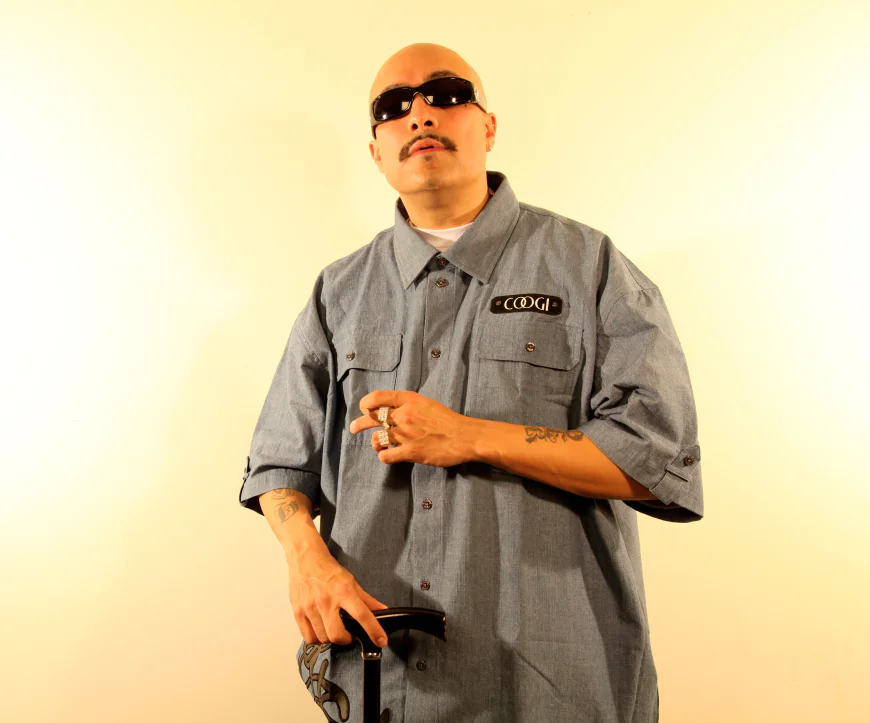
Mr. Capone-E: The Unlikely Rap Icon Who Built His Own Empire
When Fahd Azam — better known as Mr. Capone-E — stepped into the underground rap game in the early 2000s, few could have predicted his enduring influence. Born April 27, 1976, in Peshawar, Pakistan, he would eventually embody the grit and swagger of West Coast rap, founding his own label and building a career on independence, hustle, and cultural fusion.
From Peshawar to the San Gabriel Valley: A Story of Roots and Reinvention
Fahd Azam’s early life reads like an unlikely origin story for a West Coast rapper. Born in Peshawar to a Hazara family, his family relocated to West Covina, California during his childhood. In the San Gabriel Valley, Azam grew up amid a tough environment shaped by gang culture, eventually becoming affiliated with the Sureños.
That environment would have consumed many — but for Azam, incarceration at 18 became a turning point. While serving time, he found refuge and purpose in writing lyrics. By the time he stepped out, music was his mission.
Emerging from adversity, he reshaped his identity. Under the moniker Mr. Capone-E, he would soon become a leading voice in the Chicano rap scene, a testament to resilience and self-reinvention.
Building His Own Lane: Hi-Power Entertainment and Musical Independence
In 2000, Mr. Capone-E launched his debut album, Mr. Capone-E & The Southsiders, under his own imprint Hi-Power Entertainment. That marked the beginning of a career driven not by major label dictates but by personal vision and entrepreneurial spirit.
The turning point arrived in 2003 with Dedicated 2 the Oldies, an album that blended classic sounds with modern rap and reportedly sold over a million copies through independent channels — swap meets, discotecas, and grassroots distribution networks.
Through Hi-Power, Mr. Capone-E signed artists often overlooked by mainstream labels, offering a platform to fellow underdogs. Over the years, he released dozens of albums — a relentless output that kept him relevant even as trends in hip-hop shifted.
Carving Out Wealth on His Own Terms: Estimating Net Worth
Because Mr. Capone-E operates largely outside the mainstream celebrity spotlight, reliable public data on finances is scarce. Major business-wealth publications such as Forbes, Bloomberg, or Business Insider do not feature him in their lists or reporting. No publicly verified article from those outlets assigns him a net worth.
Some lesser-known online sources estimate his net worth variously — for example, a site claiming roughly US$10 million based on his music catalog and label revenues. Another recent estimate posted on a blog-style page rounds it to about US$16 million as of 2024, speculating growth from album sales, his label stake, real estate, and carried earnings.
Because these numbers are unanointed by recognized financial media and lack transparent documentation, they should be seen as speculative — plausible but unverified. Still, the broader arc is clear: Mr. Capone-E built considerable wealth through consistent output, business ownership, and control over his music — a model of independent success in hip-hop.
A Private Life: Relationships, Family, and What’s Known
Unlike many celebrities, Mr. Capone-E maintains a low public profile regarding his personal relationships. In publicly available biographies, details about a spouse, partner, or children are generally absent.
Sources typically describe his personal life as “not publicly disclosed,” and he appears to focus public attention on his music and business ventures.
Given this discretion, any specific claim about his romantic relationships or family would be speculative. What is evident: his public persona emphasizes professionalism, independence, and artistic identity over personal exposure.
Legacy and Influence: More Than Just Music
What distinguishes Mr. Capone-E is not just his longevity but how he carved out a niche at the intersection of cultures. As a Pakistani-born artist who rose to prominence through Chicano rap, he challenges assumptions about identity in hip-hop. Despite often being mistaken for Mexican — an assumption he has addressed in interviews — he proudly carries his Pakistani Hazara heritage, even while respecting and producing Chicano-influenced music.
By founding and running his own label, he modeled a path for artists seeking creative control and financial independence — a blueprint that predates and parallels what many modern artists now champion.
His story underscores a core truth: in music, background may shape you, but vision defines you.
Why Mr. Capone-E Still Matters
For fans, fellow artists, and cultural observers, Mr. Capone-E offers something rare: an authentic narrative of transformation. From an immigrant child in California — entangled in gang culture — to an independent rap mogul, he embodies grit, discipline, and entrepreneurial grit.
Even without placement on mainstream “wealth lists,” his success speaks volumes — not just in dollars, but in legacy. He reminds us that hip-hop’s roots — resilience, reinvention, identity — can thrive outside the spotlight.