


Juan Pablo Montoya Ignites Fresh F1 Debate as Verstappen Criticism Escalates
Formula 1 has never been short of outspoken personalities, but few drivers have delivered criticism as bluntly as Juan Pablo Montoya. The seven-time Grand Prix winner has now thrust himself back into the center of the sport’s political conversation after calling for Max Verstappen to face severe punishment for repeated attacks on Formula 1’s controversial 2026 regulations.
Montoya’s remarks arrive during a turbulent period for Formula 1, where debates over energy management, power-unit rules, and the overall racing spectacle are beginning to overshadow the on-track action itself. While the Miami Grand Prix produced another dramatic weekend filled with overtakes, spins, and strategic battles, the bigger discussion afterward centered on whether the new era of Formula 1 is delivering the type of racing fans and drivers actually want.
The former Williams and McLaren driver did not hold back. Speaking about Verstappen’s repeated criticism of the new regulations, Montoya argued that Formula 1 authorities should take a far firmer stance.
“You’ve got to respect the sport,” Montoya said. “I’m okay you not liking the regulations, but the way you were speaking about what you’re living off and your own sport, there should be consequences for that.”
His proposed punishment was even more striking.
“Park him,” Montoya said when asked what consequences Verstappen should face.
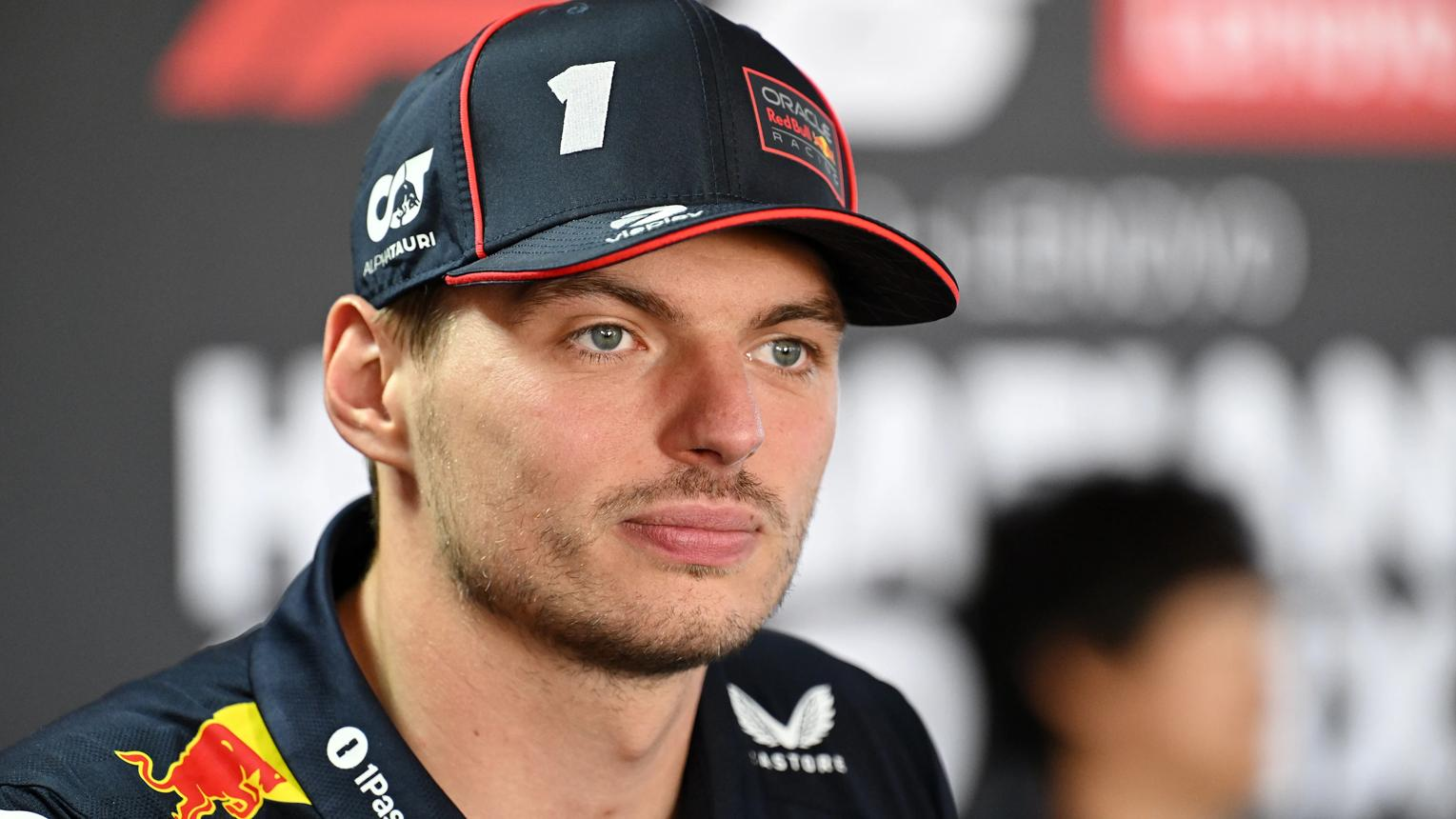
Why Verstappen Is Angry With F1’s New Rules
The controversy stems from Formula 1’s 2026 technical regulations, which place a much greater emphasis on electrical power deployment and energy harvesting. Drivers have increasingly complained that the cars require excessive management rather than flat-out racing.
Ahead of the Miami Grand Prix, Formula 1 officials attempted to reduce some of the concerns by tweaking the energy management system. The FIA reduced the maximum permitted recharge from 8MJ to 7MJ for qualifying and also lowered the boost figure to 250kW.
However, the changes had minimal impact at the Miami Autodrome because the circuit naturally favors high-energy recovery.
Verstappen remained deeply frustrated even after the adjustments.
“I mean, you still need to go a bit slower in places to go faster,” Verstappen explained after the race. “It’s still not how I would like to see it.”
The reigning world champion also complained that drivers are effectively being “punished” for pushing harder through corners because it compromises straight-line performance later in the lap. Earlier in the season, Verstappen had already described the new driving style as “anti-racing” and compared elements of the system to “Mario Kart.”
For Montoya, that crossed a line.
“It’s okay to be outspoken,” he said. “But don’t come and call an F1 car a Mario Kart.”
Montoya’s Political Warning
What makes Montoya’s comments especially interesting is that he believes modern Formula 1 complaints are often politically motivated rather than purely competitive.
The Colombian argued that teams frequently use drivers to push narratives that could influence FIA decisions in their favor. He pointed to his own painful experience during the 2003 championship fight as an example of how political pressure can reshape a season.
Montoya recalled how Williams lost a major competitive advantage after Ferrari challenged the legality of Michelin’s tyre design.
“If they had not changed that tyre, I probably would’ve been world champion,” Montoya claimed. “And why was that? That was a political move.”
His comments reflect a long-standing reality in Formula 1: technical battles are often fought as aggressively in meeting rooms as they are on racetracks.
Miami GP Showed a Tightening Championship Fight
Ironically, the heated debate over regulations came during one of the most competitive weekends of the 2026 season so far.
Miami Grand Prix delivered a dramatic shift in the competitive landscape as multiple teams introduced major upgrades following Formula 1’s five-week break. Mercedes maintained its unbeaten Grand Prix streak thanks to Kimi Antonelli, but the margin at the front visibly narrowed.
McLaren secured Sprint pole and victory, Red Bull moved significantly closer to the leaders, and Ferrari demonstrated flashes of pace despite a chaotic weekend. The FIA documentation for Miami reportedly listed 64 new parts introduced across the grid, with Ferrari alone bringing 11 upgrades.
According to McLaren team principal Andrea Stella, the competitive order may now be changing.
“Definitely we have seen McLaren, Ferrari and Red Bull closing the gap [to Mercedes],” Stella said.
Yet despite the intensified competition, much of the attention remained focused on the broader concerns surrounding Formula 1’s new racing philosophy.
Verstappen’s Frustration Is Not Isolated
Verstappen may be the loudest critic, but he is far from alone in questioning the direction Formula 1 is taking.
Several teams and drivers have privately expressed concerns about the increasing importance of battery deployment, energy saving, and software optimization. Critics argue that the emphasis on electrical systems risks reducing the raw racing element that traditionally defined Formula 1.
Even successful teams are carefully managing expectations around development. Mercedes team principal Toto Wolff warned after Miami that the 2026 season is becoming a “development race,” where upgrades, cost-cap limitations, and aerodynamic gains could determine the championship outcome.
Meanwhile Ferrari continues searching for performance solutions through the Additional Development and Upgrade Opportunities (ADUO) system, which allows struggling manufacturers to improve power units under specific FIA conditions.
Hamilton Faces Ferrari Pressure
The wider instability in Formula 1 has also intensified pressure on Lewis Hamilton, whose difficult Miami weekend sparked fresh scrutiny around Ferrari’s competitiveness.
Hamilton admitted the weekend was “challenging” after struggling to match team-mate Charles Leclerc throughout the Sprint weekend.
“A challenging weekend for us,” Hamilton said. “This won’t define us.”
The seven-time world champion also revealed that he plans to adopt “a different approach” for the upcoming Canadian Grand Prix after Ferrari’s preparations failed to produce the desired results in Miami.
Those struggles only amplify the pressure on Formula 1 itself. With teams already fighting intensely over regulations, setup philosophies, and engine development, driver frustration is increasingly becoming public.
Could Formula 1 Actually Punish Drivers for Criticism?
Montoya’s suggestion that Verstappen should receive licence penalty points for criticizing the sport is highly unlikely to become reality. Formula 1 historically allows drivers considerable freedom to express opinions about regulations, even when comments become controversial.
However, Montoya’s remarks highlight a growing tension inside the paddock.
Formula 1 is entering a new technological era that promises greater sustainability and engineering complexity, but many drivers still want the sport to preserve its core identity: flat-out racing with minimal artificial management.
The debate is unlikely to disappear anytime soon. With major upgrades expected at the Canadian Grand Prix and additional regulation reviews scheduled later in the season, the political battle behind the scenes may become just as important as the championship fight itself.
For now, Verstappen continues to speak openly about his dissatisfaction, while Montoya insists the sport must protect its image from internal criticism.
Whether fans agree with Verstappen’s frustration or Montoya’s demand for discipline, one thing is certain: Formula 1’s 2026 transformation is producing controversy almost as quickly as it is producing speed.


