



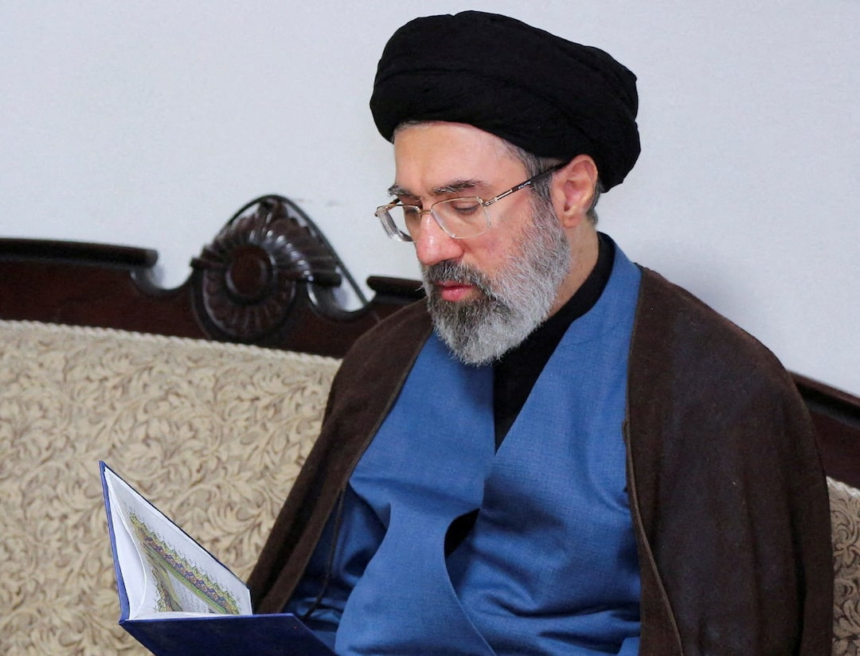
Mojtaba Khamenei: Power, Secrecy, and Iran’s Unseen Supreme Leader
The rise of Mojtaba Khamenei to the position of Supreme Leader marks one of the most unusual transitions in Iran’s modern political history. Unlike his predecessors, Mojtaba has assumed power under conditions defined by war, secrecy, and prolonged absence from public view.
Following the death of his father, Ali Khamenei, Mojtaba became Iran’s third Supreme Leader since the 1979 Islamic Revolution. Yet, weeks into his leadership, he has not appeared publicly—triggering widespread speculation about his health, authority, and the broader direction of Iran.
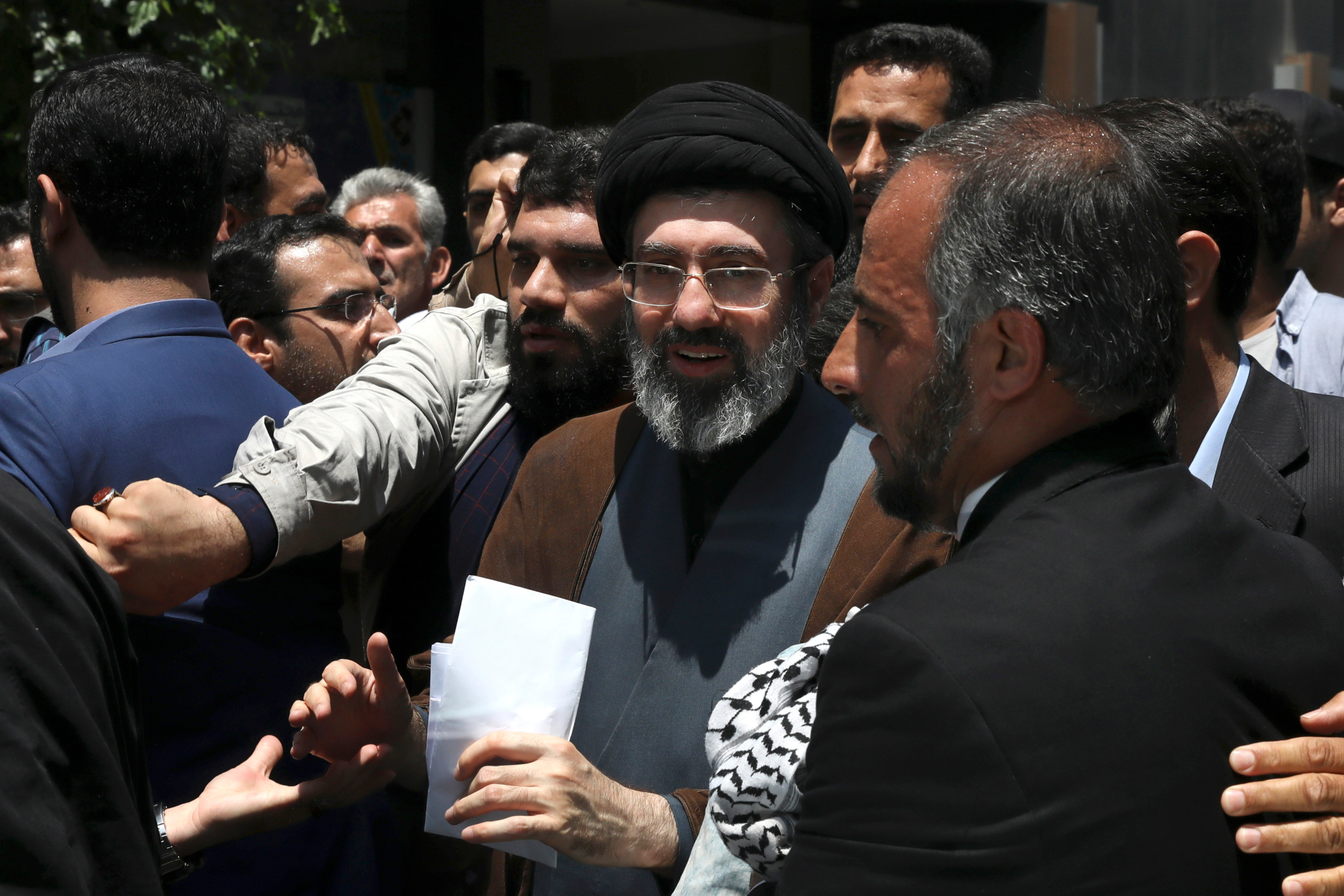
Early Life and Religious Formation
Mojtaba Khamenei was born on September 7, 1969, in Mashhad, Iran. Raised during a period of revolutionary transformation, he grew up closely tied to Iran’s political and religious elite through his father’s influence.
His education followed a traditional clerical path. After completing secondary school, he enrolled in the seminary in Qom, a major center for Shiite religious studies. There, he studied Islamic jurisprudence and religious sciences under prominent conservative scholars.
Despite this background, Mojtaba did not take on formal government roles. Instead, he became known as a behind-the-scenes figure with influence in key political and security circles.
Influence Before Leadership
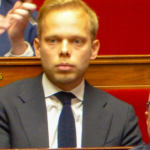
Long before becoming Supreme Leader, Mojtaba was widely regarded as an influential insider.
Reports indicate that his reach extended into:
- Decision-making circles within the Iranian system
- Consultations on political and security matters
- Networks linked to the Revolutionary Guard
In 2019, the U.S. Treasury sanctioned him, stating that he effectively represented the Supreme Leader despite not holding an official position. This reinforced his image as a power broker operating without formal authority.

A Violent Transition to Power
Mojtaba’s rise to leadership came abruptly.
On February 28, 2026, Ali Khamenei was killed in an American-Israeli airstrike targeting his residence. The attack also killed several military commanders and members of his family.
In response, Iran’s Assembly of Experts selected Mojtaba Khamenei as the new Supreme Leader.
This transition occurred in the middle of an escalating conflict, making it both politically sensitive and strategically urgent.
Injuries and Wartime Context
Shortly after the attack, reports emerged suggesting that Mojtaba Khamenei had also been injured.
According to informed sources, he sustained:
- A broken leg
- A bruise around his left eye
- Minor facial injuries
These reports contributed to growing uncertainty about his physical condition, particularly given his continued absence from public view.
Why Has He Not Appeared Publicly?
Official Explanation
Iranian officials maintain that Mojtaba Khamenei is in good health and actively leading the country.
Ali Bahreini stated:
“The reason for his absence… is due to security considerations because of the current exceptional circumstances.”
Iran’s Foreign Ministry has also linked his absence to wartime conditions, emphasizing that he continues to issue written directives.External Skepticism
Outside Iran, doubts persist.
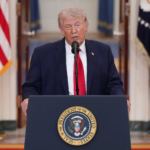
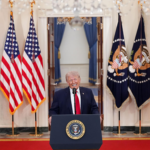
Donald Trump claimed:
“No one has seen him… He is seriously injured… We don’t know if he is alive or not.”
Although unverified, such statements have intensified global speculation.
Russia’s Response to the Rumors
Amid rumors that Mojtaba Khamenei had been transferred to Moscow, Russia provided clarification.
Alexei Dedov stated:
“The new Supreme Leader is in Iran, but he is refraining from public appearances for obvious reasons.”
This statement supports Iran’s official position while highlighting the geopolitical sensitivity of the situation.
Personal Loss and Political Reality
Mojtaba’s rise to power has been accompanied by personal tragedy.
Reports indicate that his wife, Zahra Haddad-Adel, was killed in the same airstrike that killed his father and other relatives.
This loss underscores the deeply personal dimension of his leadership, shaped by both political responsibility and personal grief.
A Leadership Style Defined by Secrecy
Since assuming power, Mojtaba Khamenei has relied entirely on written communication.
There have been:
- No confirmed live appearances
- No verified video or audio messages
- Limited clarity on the timing of published images
This approach marks a significant shift from previous leaders, raising questions about transparency and public engagement.
Implications for Iran and Beyond
Mojtaba Khamenei’s leadership emerges at a critical moment for Iran.
1. Wartime Governance
The country is navigating ongoing military conflict, requiring strong centralized control.
2. Internal Stability
His absence may influence perceptions of legitimacy and authority within Iran.
3. Global Relations
International scrutiny—particularly from the United States—continues to shape narratives around his leadership.
What Comes Next?
Several key developments will define the future of Mojtaba Khamenei’s leadership:
- A possible first public appearance
- Clear confirmation of his health condition
- Strategic decisions in Iran’s military and foreign policy
- Internal political consolidation
Each of these factors will influence both domestic stability and international perception.
Conclusion: Authority Without Visibility
Mojtaba Khamenei represents a new kind of leadership—one that operates largely out of sight yet holds immense influence.
His rise reflects continuity within Iran’s political system, but also introduces uncertainty due to his absence and the conditions surrounding his appointment.
For now, he remains a central figure in global politics—despite rarely being seen.