



Modi Comedian Wife: A Closer Look at His Marriage, Identity, and Public Life
Understanding the Question Behind “Modi Comedian Wife”
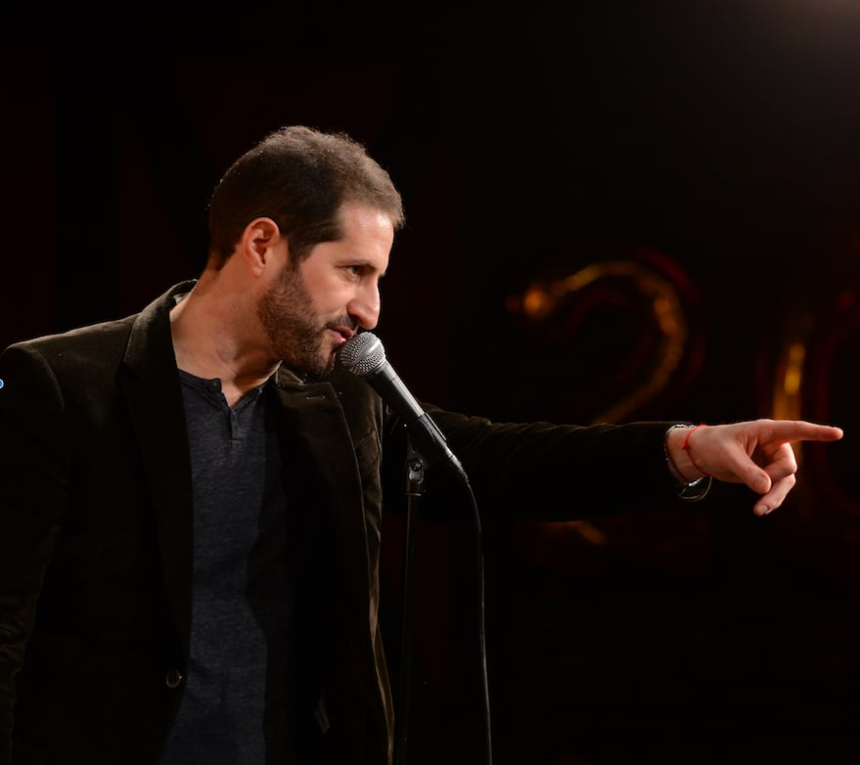
Search interest around “Modi comedian wife” reflects a broader curiosity—not just about marital status, but about identity, privacy, and how public figures navigate personal disclosure. In the case of Modi Rosenfeld, the answer is straightforward yet layered: he does not have a wife. Instead, he is married to a man—his husband, Leo Veiga.
- Understanding the Question Behind “Modi Comedian Wife”
- From Private Life to Public Reality
- Who Is Modi’s Partner? Meet Leo Veiga
- The Professional Impact of Their Marriage
- The “Not a Coming-Out Story” Moment
- Audience Reactions: Support, Tension, and Continuity
- Navigating Identity in Comedy
- A Broader Cultural Shift
- Personal Life Beyond the Headlines
- Conclusion: More Than a Relationship Story
What makes this topic particularly compelling is not merely the factual correction, but the context surrounding it—how Modi balanced personal privacy with a highly visible career, and how his relationship became part of a larger cultural conversation within Jewish communities and beyond.
This article explores that story in depth.
From Private Life to Public Reality
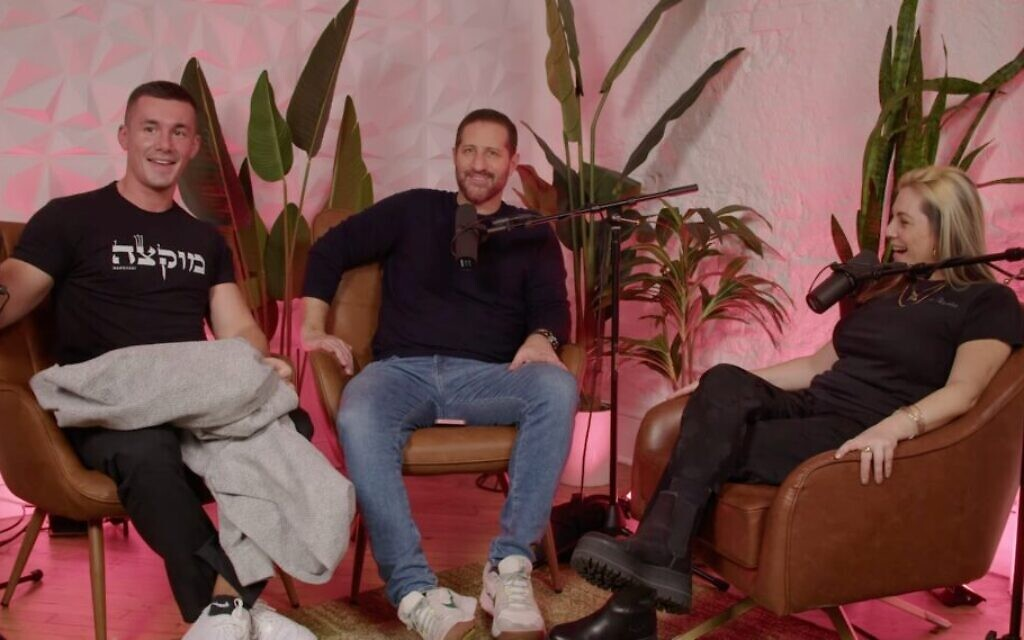
For years, Modi maintained a deliberate separation between his professional persona and his personal life. As a comedian deeply embedded in Jewish communities—particularly Orthodox audiences—his routines focused almost entirely on shared cultural experiences, religious nuances, and communal humor.
His comedy was precise and audience-aware. As he explained:

“If you put me in front of an audience, I give them what they need. And they don’t need gay material — they need the material for this audience.”
This approach meant that many fans assumed a conventional personal life. In fact, some of his comedic storytelling even referenced a fictional wife—“Stacy”—a character that later turned out to be a creative device rather than reality.
Behind the scenes, however, Modi had long been open about his identity within personal circles. The distinction was not about secrecy, but about context—knowing what material served the audience and what did not.
Who Is Modi’s Partner? Meet Leo Veiga
At the center of the discussion is Leo Veiga, Modi’s husband and a key figure in both his personal and professional life.
Relationship Timeline
- 2015: Modi meets Leo Veiga on a New York City subway
- Shortly after: They begin dating
- Within months: Veiga moves in with Modi
- 2020: The couple marries in a civil ceremony
Their story follows a classic New York narrative—unexpected, fast-moving, and grounded in shared ambition.
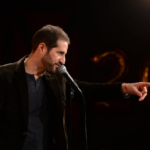

Veiga, who was raised Catholic in South Florida, did not come from a Jewish background. Yet over time, he became deeply integrated into Modi’s world. He attends synagogue, engages with Jewish traditions, and is well-versed in Hebrew and Yiddish expressions.
More significantly, he plays a central role in Modi’s career as his manager.
The Professional Impact of Their Marriage
One of the most notable aspects of Modi’s relationship is how it intersects with his career trajectory.
During the COVID-19 pandemic—a period when live comedy halted globally—Veiga encouraged Modi to pivot toward digital content. This strategic shift led to:
- Rapid growth in online presence
- Development of viral characters and sketches
- Expansion of audience reach beyond traditional live venues
Modi himself has credited his husband with transforming his career during this period. What began as a personal partnership evolved into a professional collaboration that significantly elevated his visibility.
The “Not a Coming-Out Story” Moment
The broader public became widely aware of Modi’s marriage following a feature in Variety. However, Modi was clear in how he framed the moment:
“This article is showing that I’m a veteran comedian and I’m married to a man… It doesn’t feel like a coming-out piece to me because I’ve been out.”
This distinction is important. Rather than presenting the story as a revelation, Modi positioned it as normalization—an extension of who he already was.
Still, for parts of his audience—particularly within more traditional Jewish communities—the news was unexpected.
Audience Reactions: Support, Tension, and Continuity
The response to Modi’s marriage has been varied but largely supportive.
Positive Reception
- Many fans praised his openness and authenticity
- LGBTQ individuals within Jewish communities saw him as a role model
- Some community leaders viewed his visibility as a sign of evolving inclusion
Critical Voices
- A minority expressed discomfort or opposition
- Some cited religious interpretations as grounds for disengagement
Despite this, Modi reported no significant decline in bookings or demand. In fact, his career continued to expand, suggesting that his audience base remained intact—or even grew.
Navigating Identity in Comedy
One of the most nuanced aspects of Modi’s story is how he balances identity on stage.
He has consistently emphasized that his comedy is audience-driven:
- In Jewish or religious settings, he prioritizes culturally relevant humor
- In broader venues, he incorporates more personal material, including aspects of his marriage
This adaptability reflects a core principle in stand-up comedy: understanding the audience’s expectations and delivering accordingly.
As he put it:
“Onstage, I’m more Jewish than I am gay.”
This statement captures the hierarchy of identity within his performance style—not as a denial of personal truth, but as a strategic and artistic choice.
A Broader Cultural Shift
Modi’s marriage exists within a larger context—one involving changing attitudes toward LGBTQ inclusion in religious communities.
Organizations like Eshel have documented a gradual shift:
- Historically, individuals often felt forced to choose between religious and queer identities
- Increasingly, people are asserting both identities simultaneously
Modi represents this evolving model. He remains:
- Observant in Jewish practice
- Active in synagogue life
- Integrated within communities that are themselves navigating change
His presence challenges older binaries and introduces a more complex, lived reality.
Personal Life Beyond the Headlines
Beyond the public narrative, Modi’s personal life includes several defining elements:
- He maintains a kosher home
- He continues religious practices such as wearing tefillin
- He has studied cantorial music and occasionally serves as a chazzan
- He manages dyslexia and attention deficit disorder while maintaining a high-performance career
These details reinforce a consistent theme: his identity is not singular or easily categorized.
Conclusion: More Than a Relationship Story
The search term “Modi comedian wife” ultimately leads to a deeper narrative—one that extends beyond marital status.
Modi Rosenfeld’s marriage to Leo Veiga is significant not because it contradicts expectations, but because it illustrates how public figures can navigate:
- Cultural identity
- Religious belonging
- Personal authenticity
- Professional demands
Rather than redefining his career, his marriage has clarified it. He remains what he has always been: a Jewish comedian with a distinct voice—now simply more visible in all aspects of his life.