




Mikaela Shiffrin: From Olympic Heartbreak to Historic Greatness
Few athletes in modern sport embody sustained excellence and emotional resilience quite like Mikaela Shiffrin. By 2026, her career has evolved into a rare combination of statistical dominance and personal narrative—one marked not only by victories, but by adversity, psychological endurance, and reinvention.
- Mikaela Shiffrin: From Olympic Heartbreak to Historic Greatness
- The 2026 Comeback: Rewriting the Narrative
- The Mental Battle Behind the Victory
- A Season of Dominance: World Cup Success
- Career Overview: Building a Legacy
- Statistical Dominance: By the Numbers
- Personal Life and Influences
- Cultural and Sporting Impact
- What Comes Next?
- Conclusion: A Career Beyond Records
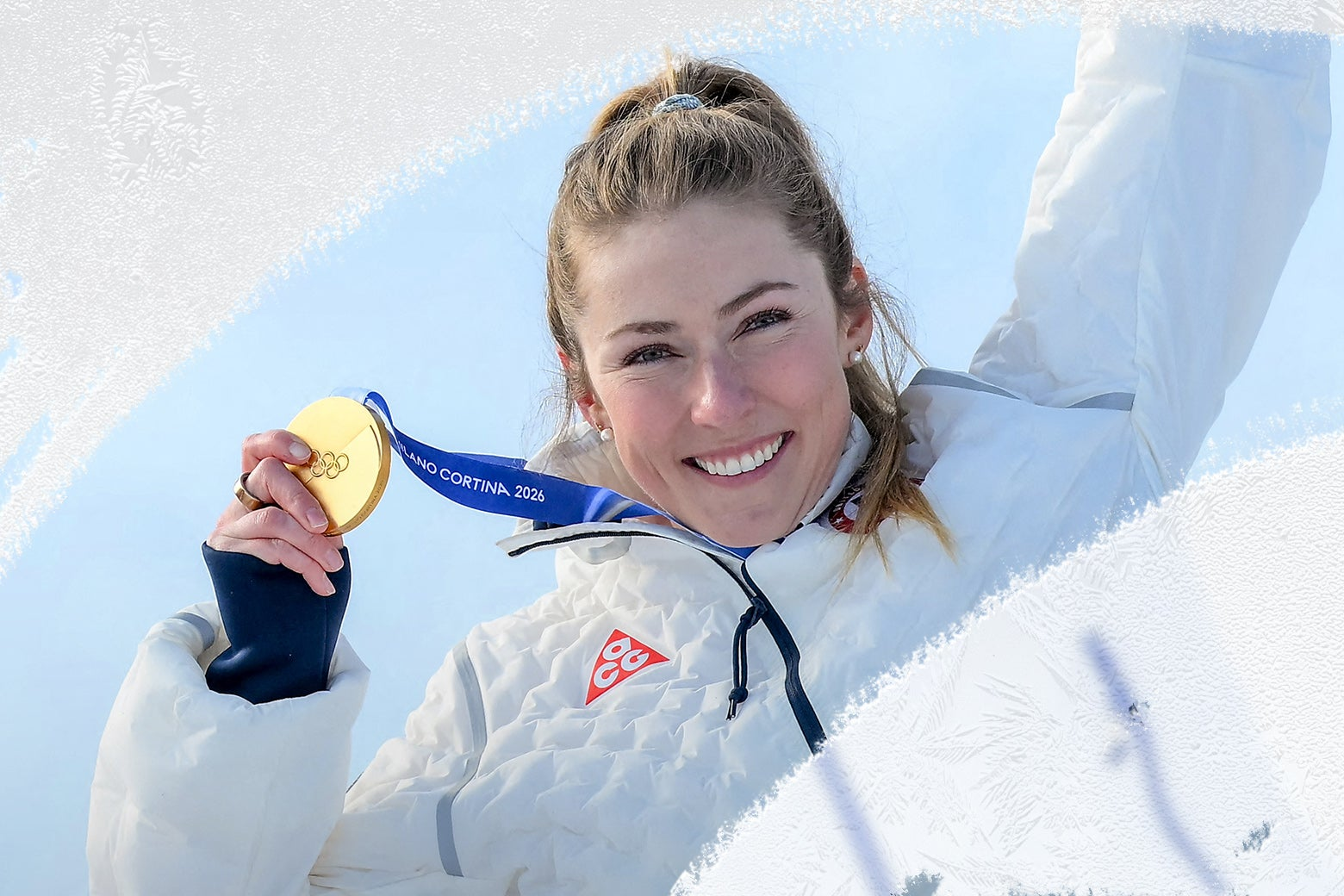
The 2026 Winter Olympics became a defining chapter. After a disappointing campaign in 2022, Shiffrin returned to the Olympic stage with renewed focus, capturing gold in the slalom and reaffirming her position among the greatest alpine skiers in history.
The 2026 Comeback: Rewriting the Narrative
From Beijing Disappointment to Cortina Triumph
At the 2022 Winter Olympics, Shiffrin experienced one of the most challenging periods of her career. Competing in six events, she failed to reach the podium—an unexpected outcome for an athlete widely favored to win multiple medals.



Her performances included early exits in both the slalom and giant slalom, alongside finishes outside medal contention in other events. The result was her first Olympic Games without a podium finish, creating a narrative of what some described as a “curse.”
That narrative followed her into the 2026 Winter Olympics.


Yet, in Cortina, she reversed the storyline entirely.
Shiffrin delivered a dominant performance in the slalom, securing her third Olympic gold medal and fourth overall Olympic medal. The victory carried historical significance:
- First American woman with three Olympic golds in alpine skiing
- Two-time Olympic slalom gold medalist
- Both the youngest and oldest American woman to win Olympic alpine gold
Her margin of victory—1.50 seconds—underscored technical superiority in her signature discipline.
The Mental Battle Behind the Victory
Confronting Pressure and Internal Doubt
Shiffrin’s comeback was not purely physical—it was psychological.



Reflecting on the weight of expectations, she acknowledged the lingering impact of Beijing:
“There was… a bit of an external narrative about sort of the ghosts of Beijing and a curse… I really do internalize all that.”
To manage that pressure, she worked closely with a psychologist during the Games, focusing on mental clarity and reframing her mindset.
In a separate reflection, she described the moments before her gold-medal run as deeply emotional:
“My biggest fear… was that I would feel really isolated and alone… instead, they made me feel very supported.”
She also spoke about drawing strength from the memory of her late father, Jeff Shiffrin, whose passing in 2020 had profoundly affected her career trajectory.
This emotional grounding became a critical factor in her Olympic performance—transforming pressure into composure.
A Season of Dominance: World Cup Success
Record-Tying Achievements
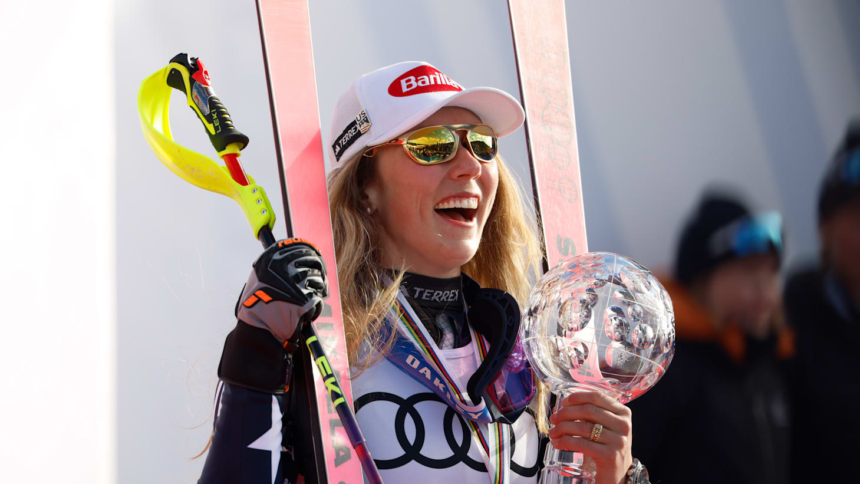
Beyond the Olympics, Shiffrin’s 2026 season reinforced her legacy through consistent dominance in the FIS Alpine Ski World Cup.
Key achievements include:
- 6th overall World Cup title (record-tying)
- 18 career Crystal Globes
- 9 wins in 10 slalom races
- Career total of 110 World Cup victories
These numbers are not merely impressive—they are historically unprecedented. Shiffrin holds the record for the most World Cup wins by any alpine skier, male or female.
Her ability to dominate across multiple disciplines—slalom, giant slalom, super-G, downhill, and combined—sets her apart from previous generations.
Career Overview: Building a Legacy
Early Breakthrough and Rapid Rise
Born on March 13, 1995, in Vail, Colorado, Shiffrin entered the World Cup circuit at just 15 years old. By 18, she had already achieved Olympic gold in slalom at the 2014 Sochi Games, becoming the youngest champion in that event’s history.
Her early success quickly expanded into sustained dominance:
- Multiple consecutive slalom World Cup titles
- Breakthrough into speed disciplines
- Historic single-season win records
Her versatility—winning across all alpine skiing disciplines—remains unmatched.
Statistical Dominance: By the Numbers
Shiffrin’s career metrics illustrate a level of consistency rarely seen in elite sport:
- 110 World Cup wins
- 168 podium finishes
- 6 overall World Cup titles
- 3 Olympic gold medals
- 15 World Championship medals (8 gold)
She is also the only skier to surpass 100 World Cup victories, a milestone that redefined the sport’s historical benchmarks.
Personal Life and Influences
Off the slopes, Shiffrin’s life has been shaped by both support systems and personal loss.
- Daughter of former ski racers Eileen and Jeff Shiffrin
- Brother Taylor also competed at a high level
- Relationship with Norwegian skier Aleksander Aamodt Kilde
- Engagement announced in 2024
Her father’s passing in 2020 marked a turning point, influencing both her mental approach and public openness about grief.
In recent years, she has expanded her influence beyond skiing:
- Joined ownership group of Denver Summit FC (NWSL expansion club)
- Received honorary doctorate from Dartmouth College
These ventures reflect a broader transition toward legacy-building beyond competition.
Cultural and Sporting Impact
Redefining Excellence in Alpine Skiing
Shiffrin’s impact extends beyond medals and records.
She represents a modern archetype of elite athletes:
- Technically precise and versatile
- Open about mental health challenges
- Willing to challenge expectations and narratives
Her dominance has also elevated the visibility of women’s alpine skiing globally, contributing to increased audience engagement and commercial interest.
What Comes Next?
The Future of a Living Legend
At 31, Shiffrin has indicated she plans to continue competing, at least in the near term. The possibility of breaking the all-time record for World Cup overall titles outright remains within reach.
There is also ongoing speculation about her participation in the 2030 Winter Olympics, though she has approached that question cautiously.
Her future trajectory will likely depend on:
- Physical longevity
- Motivation to continue at elite level
- Balance between competition and off-slope ventures
Conclusion: A Career Beyond Records
Mikaela Shiffrin’s story is no longer defined solely by victories. It is defined by adaptation—how an athlete processes failure, confronts expectation, and returns stronger.
Her 2026 Olympic gold was not just another medal. It was a statement: that resilience, when paired with talent, produces not only champions—but legacies.
In an era where performance metrics often dominate discussion, Shiffrin’s journey adds a critical dimension: the human element behind greatness.