Michael Chabon Net Worth, Relationships, Age/Birthdate & Birthday
Overview of Michael Chabon — net worth, relationships, age/birthdate, and birthday.
 loveness92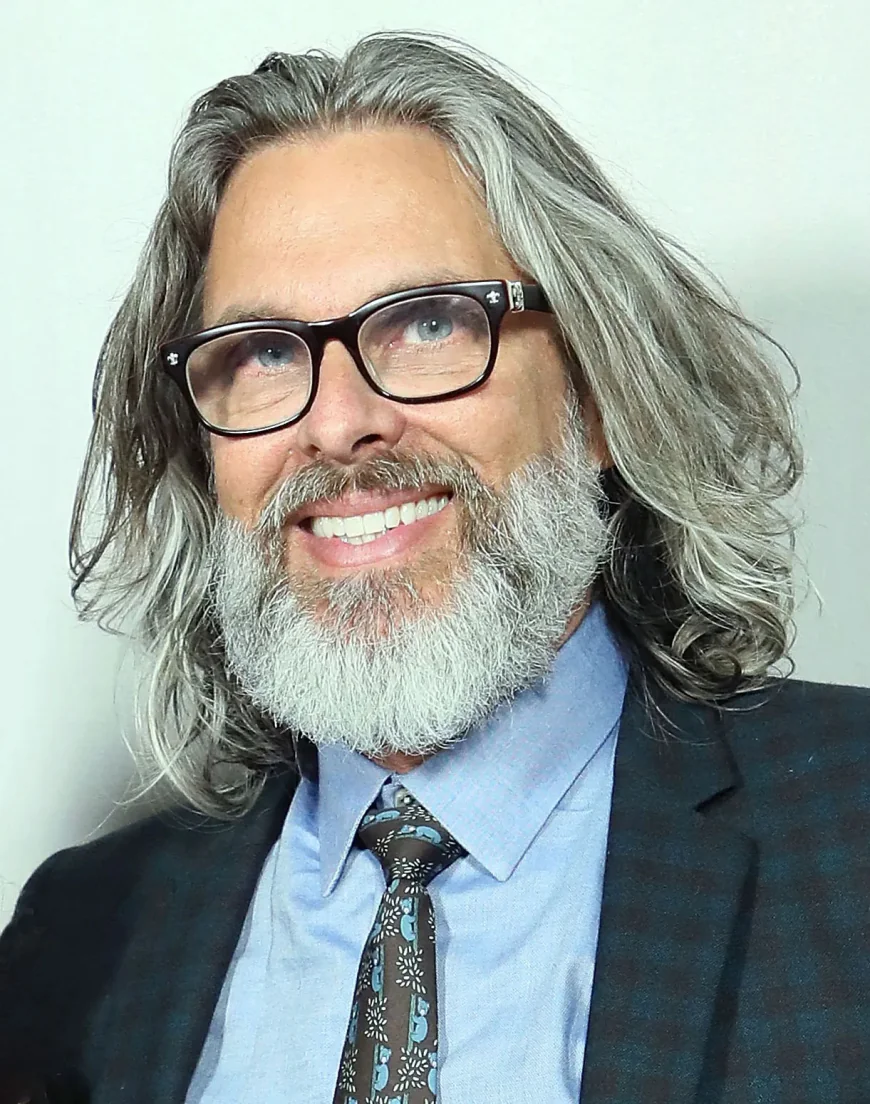
The Unfolding of a Literary Life
Michael Chabon — born May 24, 1963 — has woven a remarkable tapestry of fiction, imagination, and personal evolution. With a birthdate that anchors him firmly in the generation of late-20th-century writers, Chabon has traversed worlds ranging from gritty realism to comic-book fantasy, always infusing his narratives with emotional depth and literary ambition. Over decades, he has transformed from a young novelist with a bold debut into one of contemporary literature’s most celebrated voices.
From a Humble Beginning to Pulitzer Fame
Chabon entered the world in Washington, D.C., into a family with professional roots: his father was both physician and lawyer, his mother a lawyer. When his parents divorced in the mid-1970s, the young family relocated to Columbia, Maryland — a then-new planned community where Chabon spent formative years exploring its unbuilt streets and imagining new worlds.
He enrolled briefly at Carnegie Mellon University before transferring to University of Pittsburgh (B.A. in 1984), then went on to earn an M.F.A. in creative writing from University of California, Irvine in 1987.
His first novel, The Mysteries of Pittsburgh (1988), was originally his master’s thesis — a bold coming-of-age story that courageously addressed bisexuality and identity. What followed were more successes: Wonder Boys (1995) — later adapted into a film — and eventually The Amazing Adventures of Kavalier & Clay (2000), a sweeping, genre-blending epic about two Jewish cousins and the golden age of comic books, which garnered the Pulitzer Prize for Fiction in 2001.
Chabon’s body of work expands far beyond novels: short stories, essays, children’s literature, and even screenwriting — paying testament to his conviction that “great sentences exist irrespective of genre boundaries.”
A Creative Partnership — On Page and Off
Chabon’s personal life has been marked by complexity and transformation. After a first marriage to poet Lollie Groth — which ended in divorce in 1991 — he found new companionship in 1993 with Israeli-born writer Ayelet Waldman.
Waldman and Chabon share more than a home: they share desks, ideas, and an unreserved creative collaboration. Their relationship has often been described as a true partnership — personal and professional — with both writers editing, encouraging, and inspiring each other in their respective crafts.
Over the years, their family grew to include four children. The balance between parenthood and creativity, between domestic life and literary ambition, has informed much of Chabon’s worldview — and the themes that permeate his fiction.
Calculated Words and Creative Success — What His Net Worth Reflects
With decades of critically acclaimed novels, screenwriting credits, and continuous literary output, Chabon has built a comfortable financial foundation. According to recent publicly available estimates, his net worth is around US$ 8 million.
This wealth reflects not only the success of high-profile books like Kavalier & Clay and The Yiddish Policemen’s Union, but also the enduring value of a prolific, diversified body of work: novels, short stories, essays, and adaptations.
The Inner Impulses Behind the Stories
What sets Chabon apart is not simply the breadth of his output — but the interplay between personal identity, childhood surroundings, and literary ambition. Growing up in a “city-in-progress” like Columbia, Maryland, he described the experience as being “colonists of a dream,” immersed in unfinished streets and the possibility of reinvention.
That sense of contingency and identity — of constantly building and rebuilding — often surfaces in his work: characters struggling with heritage, sexuality, identity, and belonging against backdrops of American growth and decline.
Moreover, his willingness to traverse genre boundaries — mixing realism, fantasy, historical fiction, detective tropes, and comic-book flare — stems from a deep conviction: that literature need not be confined to narrowly defined categories. The rich, often messy human experiences he explores demand flexibility, not limitation.
Between Labels and Love — On Sexuality and Self
From the beginning, Chabon’s work prompted questions about sexuality and identity. His debut novel featured a bisexual protagonist; later works included homosexual and Jewish characters, leading some early on to label Chabon a “gay writer” — a tag he has neither fully embraced nor entirely rejected.
In a candid essay for the New York Review of Books, Chabon acknowledged having loved men, while also affirming his long-term marriage to Waldman.
His approach remains nuanced: sexuality and identity for him are not rigid labels but ever-shifting aspects of human experience — often explored in his fiction with compassion, complexity, and honesty.
Legacy of Imagination — More Than Just Books
Michael Chabon’s journey — from a curious boy scribbling stories in suburban Maryland, to a Pulitzer-winning novelist and celebrated screenwriter — reads like fiction itself. His birthdate (May 24, 1963) and birthday mark not just the passing of years, but a life continually renewed through words. Across decades, he has transformed genre boundaries, challenged expectations, and expanded what modern fiction can be.
His estimated net worth speaks to the tangible rewards of that lifelong dedication. Yet, just as important is the less quantifiable legacy: the lives touched by his stories, the authors inspired by his genre-defying audacity, and the conversations ignited about identity, love, and belonging.
For readers, writers, and dreamers alike, Chabon’s story stands as proof that steadfast dedication to one’s voice — even when it doesn’t fit neatly into a box — can yield both artistic excellence and enduring influence.