
Michael Cage Net Worth, Relationships, Age/Birthdate & Birthday
Overview of Michael Cage — net worth, relationships, age/birthdate, and birthday.
 loveness92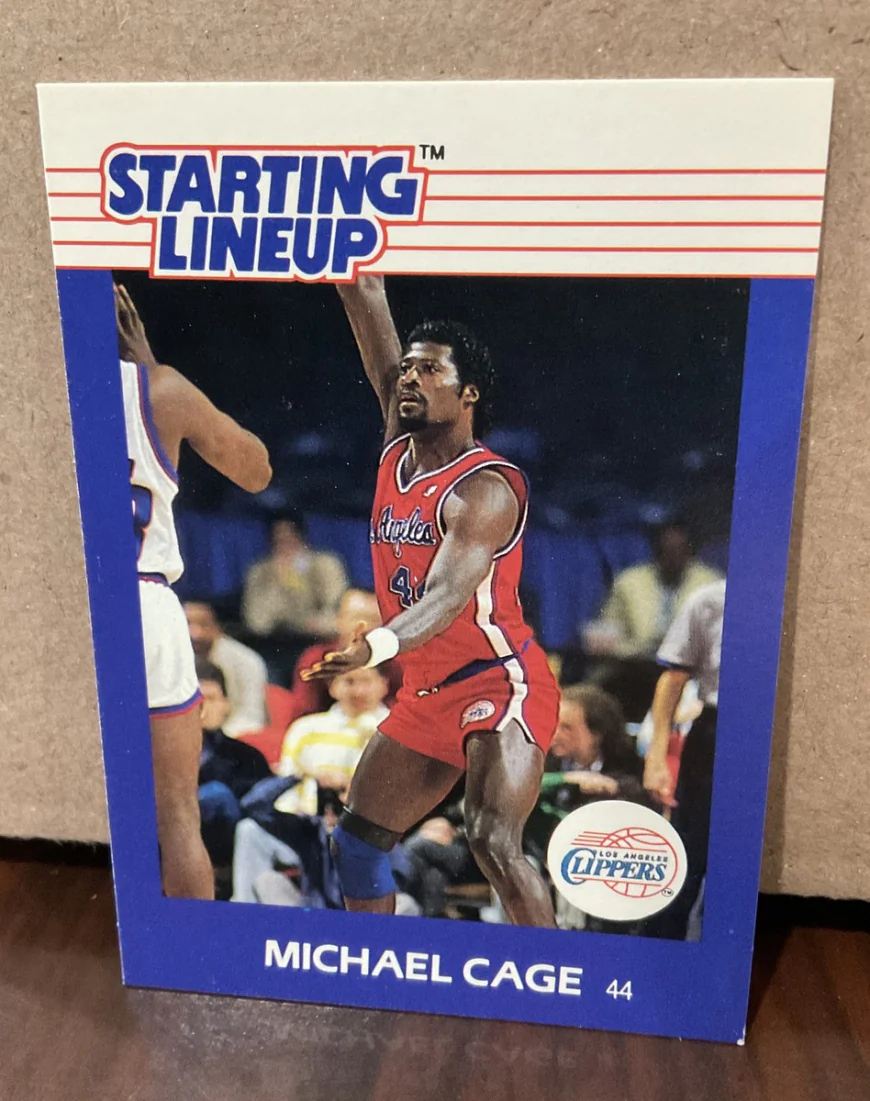
Michael Jerome Cage Sr.: The Quiet Workhorse of NBA Glass-Cleaning Legacy
From Humble Arkansas Beginnings to NBA Rebounding Icon
Michael Jerome Cage was born on January 28, 1962 in West Memphis, Arkansas. Growing up in West Memphis, he attended West Memphis High School, where he began to carve out a reputation as a promising basketball talent.
Cage earned a scholarship to San Diego State University, where he played college basketball from 1980 to 1984. At SDSU he became the school’s all-time leading rebounder and second-leading scorer — a rare combination of inside dominance and scoring ability. In 1983 and 1984, he was twice named the WAC Player of the Year, and in 1984 earned consensus second-team All-American honors.
That foundation — of strength, grit, and relentlessness on the glass — set the stage for his 15-year professional career in the NBA.
When Hustle Became His Trademark: The NBA Years
In the 1984 NBA Draft, Cage was selected 14th overall by the Los Angeles Clippers. Standing 6′9″ and playing center/power forward, he quickly earned a reputation not for flashy offense but for tireless rebounding, physical defense, and gritty consistency.
The defining moment of his playing days came in the 1987–88 season. With the Clippers, Cage led the league in rebounds — averaging 13.0 per game. In a dramatic finish, he snagged 30 rebounds in his final game of the season to clinch the rebounding title over rivals like Charles Oakley. That feat earned him the enduring nickname “Windexman,” a nod to his relentless “cleaning of the glass.”
Over the course of his NBA career (1984–2000), Cage played for five teams: the Los Angeles Clippers, the Seattle SuperSonics, the Cleveland Cavaliers, the Philadelphia 76ers, and the New Jersey Nets. By the time he stepped off the court for the last time in January 2000 — after 1,140 games — Cage had amassed 8,278 points and 8,646 rebounds.
Throughout his career his style never changed — he remained a blue-collar, unheralded workhorse. As one fan-given moniker put it, he was “John Shaft” on the hardwood — tough, reliable, and always ready to fight for every inch.
Reinventing Himself Off the Court: From Player to Analyst
After retiring as a player, Cage didn’t stray far from the game. In September 2014, the Oklahoma City Thunder announced that he would join their broadcast team — marking the start of his second act in basketball as a respected analyst.
In this role, Cage brings to air the same work ethic and clarity that defined his playing days. His commentary is seasoned by decades of firsthand inside-court knowledge — especially around rebounding, defense, and the subtleties of post play.
What Might His Net Worth Be — and the Reality Behind the Numbers
Publicly available estimates suggest that Michael Cage’s net worth is around US$7 million. That figure appears modest compared to many retired NBA stars, but when contextualized with his earning years — including contracts from a 15-year career plus post-retirement media work — it reflects a stable, disciplined life after basketball.
It’s worth noting, however, that such net worth estimations are often approximate. As one source cautions, reported net worth may not account for all assets, debts, investments or lifetime earnings.
The Man Beyond the Numbers: On Identity, Legacy, and Influence
Michael Cage’s legacy can’t be measured just in points, rebounds, or earnings. He represents the archetype of a certain kind of NBA player — the unsung, steadfast role-player whose value emerges not in highlight reels but in every hustle play, every contested rebound, every minute of defense when the margin is thin.
That persona — gritty, selfless, unflashy — has served him well beyond his playing days. As a broadcast analyst, Cage remains connected to the sport, translating the instincts of an old-school big man into insight for modern audiences.
For younger players or fans, his journey underscores an important lesson: you don’t need to be a superstar scorer to build a lasting, respectable career in the NBA. Sometimes, hard work, consistency, and doing the dirty work bring the longest rewards.