


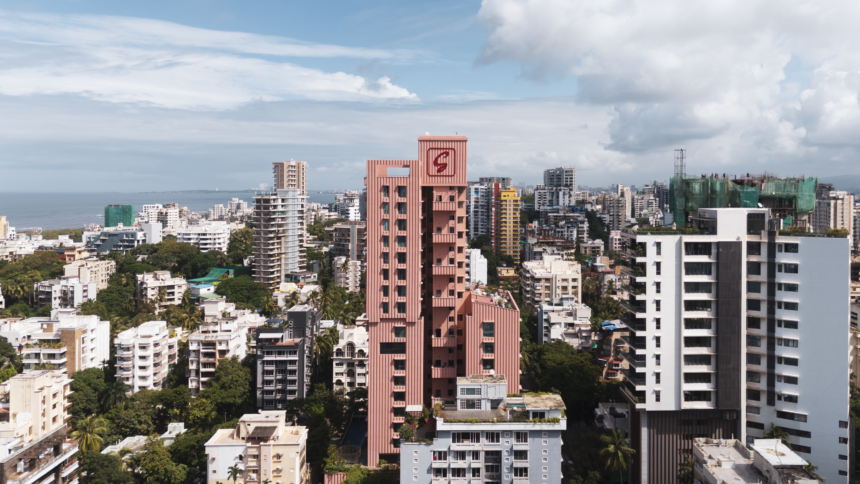
MHADA Lottery 2026: A Comprehensive Guide to Mumbai’s 2,640 Housing Opportunity
Introduction: A Major Housing Opportunity Returns
The mhada lottery 2026 marks a significant moment in Mumbai’s real estate and affordable housing landscape. After a pause in 2025, the Maharashtra Housing and Area Development Authority (MHADA) has reintroduced its much-anticipated housing lottery, offering 2,640 apartments across Mumbai. For many aspiring homeowners, this lottery represents one of the few structured and government-backed pathways to owning a home in one of India’s most expensive cities.
- Introduction: A Major Housing Opportunity Returns
- What Is the MHADA Lottery and Why It Matters
- Key Highlights of MHADA Lottery 2026
- Where Are the MHADA Homes Located?
- Timeline: From Application to Results
- How the Application Process Works
- Income Criteria and Eligibility Rules
- Housing Supply Composition
- Pricing and Affordability Concerns
- Broader Impact on Mumbai’s Housing Landscape
- What to Watch Going Forward
- Conclusion: Opportunity with Structural Questions
This year’s lottery is not only notable for its scale but also for its structured approach, detailed timeline, and broad inclusion of multiple income groups—from economically weaker sections to high-income households. However, it also raises important questions about affordability, distribution, and accessibility in Mumbai’s evolving housing ecosystem.
What Is the MHADA Lottery and Why It Matters
The MHADA lottery is a government-run housing allocation system designed to provide homes at relatively affordable prices to citizens across different income brackets in Maharashtra. Conducted periodically, it is particularly significant in cities like Mumbai, where real estate prices are often beyond the reach of average buyers.


The mhada lottery 2026 is especially noteworthy because:
- It comes after a gap year in 2025.
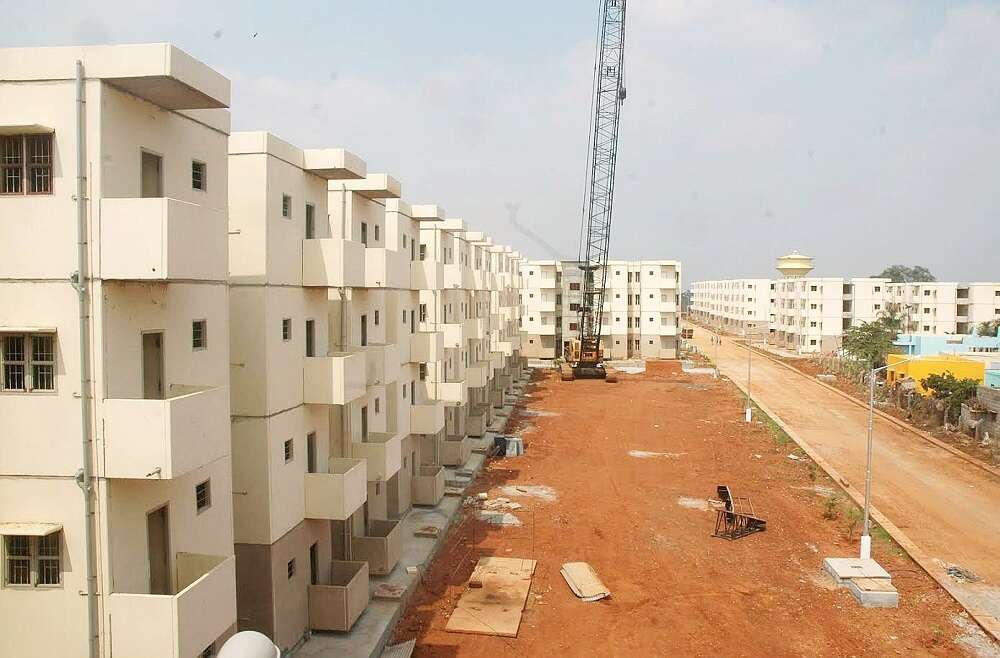
- It integrates homes from multiple sources, including redevelopment and ongoing construction.
- It covers a wide range of locations across Mumbai—from South Mumbai to suburban areas.
For many, MHADA remains one of the few reliable routes to homeownership in the city.

Key Highlights of MHADA Lottery 2026
The current lottery offers 2,640 apartments across various housing projects and redevelopment schemes. These homes are distributed across multiple income groups:
- Economically Weaker Section (EWS): 145 units
- Lower Income Group (LIG): 858 units
- Middle Income Group (MIG): 1,408 units
- High Income Group (HIG): 229 units
Distribution Insight
The largest share of homes is allocated to the middle-income group, while the economically weaker section receives the fewest units. This distribution has already sparked discussions about whether the lottery adequately prioritizes those most in need.
Where Are the MHADA Homes Located?
The lottery includes properties spread across several key neighborhoods in Mumbai, including:
- Vikhroli (Kannamwar Nagar)
- Goregaon (Patra Chawl, Pahadi)
- Borivali (Old Magathane, Gorai)
- Chembur (Subhash Nagar)
- Bandra (Gandhi Nagar)
- Ghatkopar (Pant Nagar)
- Wadala and Antop Hill
- Dadar (Lokmanya Nagar)
- Powai (Kopri and Tunga)
- Girgaon and Mazgaon
This wide geographic spread ensures that applicants have access to housing options in both central and suburban zones, catering to different lifestyle and commuting preferences.



Timeline: From Application to Results
The mhada lottery 2026 follows a clearly defined schedule, ensuring transparency in the process.
Key Dates
- Application Start: March 30, 2026 (from 3:00 PM)
- Last Date to Apply: April 29, 2026 (11:59 PM)
- EMD Payment Deadline: April 30, 2026 (11:59 PM)
- Provisional List Release: May 5, 2026 (by 3:00 PM)
- Claims & Objections Deadline: May 8, 2026 (3:00 PM)
- Final List Publication: May 12, 2026 (by 3:00 PM)
- Lottery Draw Date: May 15, 2026 (11:00 AM)
The structured timeline reflects MHADA’s effort to maintain a transparent and accountable allocation process.
How the Application Process Works
The application system is fully digital, designed to streamline participation and reduce manual errors.
What the Process Achieves
The process ensures:
- Equal opportunity through random computerized selection
- Verification of eligibility before final allocation
- Transparent handling of objections and claims
Application Channels
Applicants can apply through:
- The official MHADA website
- The mobile app “MHADA Housing Lottery System” (available on Android and iOS)
Required Documents
Applicants must provide:
- Aadhaar card (linked mobile number required)
- PAN card
- Domicile certificate of Maharashtra (minimum 15 years residence within a 20-year period)
- Income proof (April 1, 2024 – March 31, 2025)
Income proof must be either:
- Income tax return, or
- Certificate issued by a Tehsildar
Incorrect or incomplete information can result in application rejection and forfeiture of deposited funds.
Income Criteria and Eligibility Rules
The lottery categorizes applicants based on annual family income:
- EWS: Up to ₹6 lakh
- LIG: Up to ₹9 lakh
- MIG: Up to ₹12 lakh
- HIG: Above ₹12 lakh (no upper limit)
Cross-Category Eligibility
Applicants may apply across certain categories:
- EWS → EWS and LIG
- LIG → LIG and MIG
- MIG → MIG and HIG
- HIG → Only HIG
This flexibility allows applicants to maximize their chances depending on eligibility.
Housing Supply Composition
The 2,640 apartments come from multiple sources:
- 1,762 units under construction
- 559 units received from developers (redevelopment projects)
- 319 scattered units from previous unsold inventory
Some homes are being sold “as is”, particularly those acquired through redevelopment schemes under Development Control Regulations (DCR 33(5), 33(7), and 58).
Pricing and Affordability Concerns
The price range of the apartments spans ₹32 lakh to ₹8 crore, highlighting a significant variation based on location and category.
This wide range introduces a key tension:
- While the scheme is intended to support affordable housing,
- The inclusion of high-value units raises concerns about accessibility for lower-income groups.
Past lotteries have shown that higher-priced units often remain unsold, prompting MHADA to adopt alternative sales methods such as first-come-first-served in some cases.
Broader Impact on Mumbai’s Housing Landscape
The mhada lottery 2026 has implications beyond individual homebuyers:
1. Urban Development
The inclusion of redevelopment units reflects Mumbai’s ongoing transition toward densification and redevelopment-led growth.
2. Social Equity
The limited allocation for EWS applicants raises questions about whether the system adequately addresses housing inequality.
3. Market Dynamics
By introducing thousands of units at once, MHADA influences price benchmarks and demand patterns in the city’s real estate market.
What to Watch Going Forward
Several factors will determine the success of the mhada lottery 2026:
- Response rate across income groups
- Demand for high-priced units
- Transparency in the selection process
- Future policy adjustments based on feedback
The outcome on May 15, 2026, will not only decide individual winners but also signal how well the scheme aligns with Mumbai’s housing needs.
Conclusion: Opportunity with Structural Questions
The mhada lottery 2026 offers a rare and structured opportunity for homeownership in Mumbai. With 2,640 homes across diverse locations and income groups, it reinforces MHADA’s central role in addressing urban housing demand.
However, the distribution of units, pricing disparities, and limited allocation for economically weaker sections highlight ongoing structural challenges. While the lottery opens doors for many, it also underscores the need for more balanced and inclusive housing policies in one of the world’s most expensive cities.