


Melania Trump and the Epstein Controversy: A Defining Moment of Denial, Debate, and Political Pressure
A Sudden Statement That Reignited a Global Debate
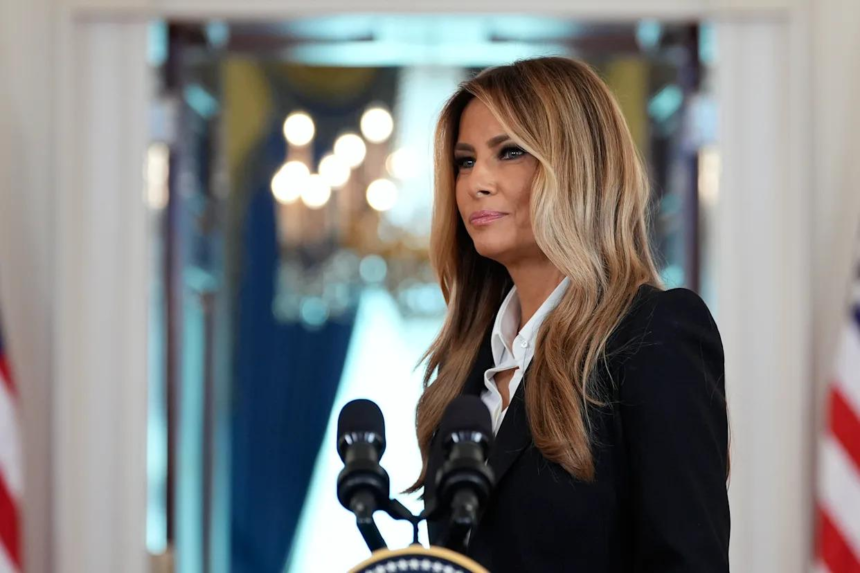
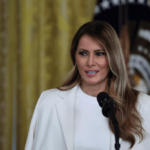
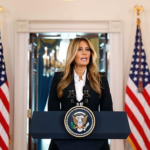
In April 2026, Melania Trump stepped into an unusually public role, delivering a rare and unexpected statement from the White House addressing one of the most controversial figures of recent decades: Jeffrey Epstein.
- A Sudden Statement That Reignited a Global Debate
- The Core Denial: “I Was Never Involved”
- Social Circles, Photographs, and Persistent Questions
- Media Reaction and Public Scrutiny
- A Call for Hearings—and Mixed Reactions
- Political and Legal Implications
- The Broader Context: Epstein’s Lasting Impact
- What Comes Next?
- Conclusion: A Statement That Changed the Narrative
Her message was direct and unequivocal. She denied any connection to Epstein’s crimes, rejected longstanding rumors about their relationship, and called for greater transparency and accountability for survivors. Yet, rather than settling the matter, her remarks intensified scrutiny—drawing reactions from political figures, media commentators, and survivors alike.
The episode has since evolved into more than a personal defense. It now represents a broader moment in the ongoing global reckoning over Epstein’s legacy, elite networks, and the pursuit of justice.

The Core Denial: “I Was Never Involved”
At the center of the controversy is Melania Trump’s firm rejection of any association with Epstein’s criminal activities.
She stated clearly that:


- She was never friends with Epstein
- She had no knowledge of his abuse of victims
- She was not a participant in any capacity
- She never traveled on Epstein’s plane
- She never visited his private island
These statements were reinforced by her broader claim that circulating allegations were “baseless lies” and part of what she described as ongoing attempts to damage her reputation .
She also addressed specific rumors, including claims that Epstein introduced her to Donald Trump—a narrative she dismissed as false and defamatory .
Her position was consistent: any overlap between her and Epstein was incidental, rooted in shared social environments common among wealthy elites in places like New York and Palm Beach.
Social Circles, Photographs, and Persistent Questions
Despite the categorical denial, the controversy persists largely because of documented social intersections.
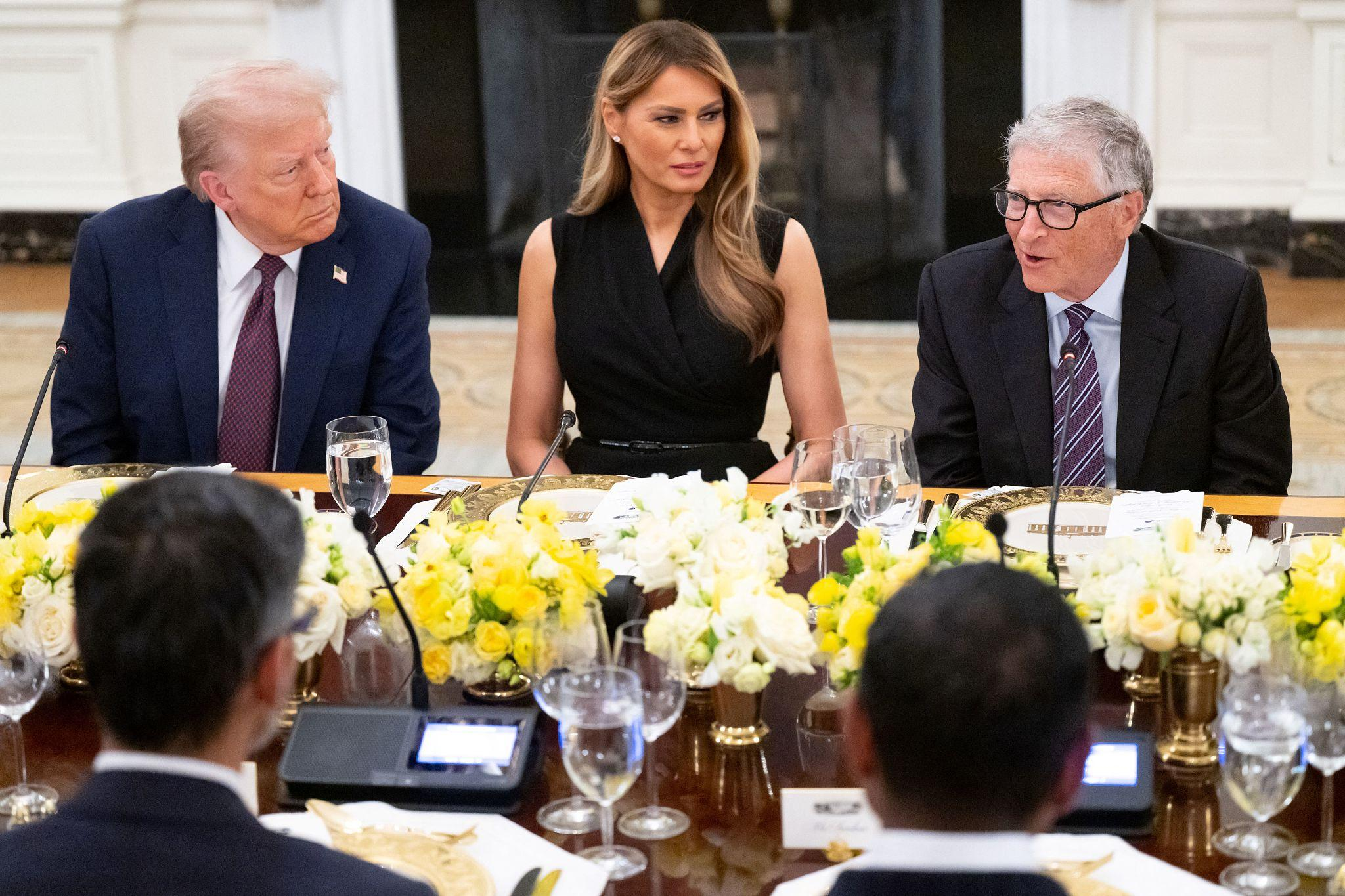
Photographs from around 2000 show Melania Trump, then Melania Knauss, alongside Donald Trump, Epstein, and Ghislaine Maxwell at social events. These images, widely circulated over the years, continue to fuel public skepticism.
Additionally, a 2002 email exchange between Melania Trump and Maxwell has resurfaced repeatedly. She characterized the communication as “casual correspondence” and a “polite reply,” dismissing its significance .
Critics, however, argue that such connections—however limited—raise legitimate questions about proximity to Epstein’s network.
The issue, therefore, is not merely about direct involvement, but about association, awareness, and the boundaries of accountability within elite social circles.
Media Reaction and Public Scrutiny
The media response was immediate and, in some cases, sharply critical.
Television host Jimmy Kimmel publicly challenged the First Lady’s claims, referencing widely known photographs and questioning the narrative of complete unfamiliarity. He highlighted the apparent contradiction between denial and documented encounters, amplifying the debate in mainstream discourse .
Meanwhile, the timing of the statement raised additional questions. Reports indicated that even Donald Trump was not fully aware of the announcement beforehand, suggesting internal unpredictability within the administration .
This added a political dimension to the situation, turning a personal defense into a broader White House issue.
A Call for Hearings—and Mixed Reactions
Beyond denial, Melania Trump took a notable step: she called for Congressional hearings to allow Epstein’s victims to testify under oath.
Her argument was framed around transparency and justice:
- Survivors should have the opportunity to tell their stories publicly
- Testimony should be formally recorded in the Congressional record
- The truth should emerge through open processes
This proposal introduced a policy-oriented element to her statement, shifting the conversation toward institutional accountability.
However, reactions from survivors were mixed.
Some viewed the call as a “bold move,” acknowledging its potential to advance public understanding. Others criticized it as insufficient or even deflective, arguing that survivors have already testified extensively and that additional hearings may not necessarily lead to meaningful justice .
Concerns were also raised about:
- Survivors bound by non-disclosure agreements
- Fear of public exposure
- The emotional toll of repeated testimony
These responses underscore a key tension: the difference between public visibility and substantive justice.
Political and Legal Implications
The controversy extends beyond public perception into legal and political arenas.
Melania Trump has previously engaged in legal disputes related to Epstein-related claims, including:
- Threatening defamation action over allegations about how she met Donald Trump
- Disputes involving authors and publishers over unverified claims
- Retractions and corrections issued by media organizations
These actions highlight the sensitivity and reputational stakes surrounding the issue.
At the same time, the broader Epstein investigation continues to cast a long shadow over political and business elites. Numerous high-profile individuals have faced scrutiny, resignations, or reputational damage in connection with the case.
Melania Trump’s statement, therefore, cannot be viewed in isolation. It exists within a larger environment of ongoing investigation, incomplete disclosures, and public demand for accountability.
The Broader Context: Epstein’s Lasting Impact
To understand the significance of this moment, it is essential to consider the enduring impact of the Epstein scandal.
Epstein’s case exposed:
- Extensive networks of influence among powerful figures
- Systemic failures in preventing and prosecuting abuse
- The challenges survivors face in seeking justice
Even years after his death, the release of documents, testimonies, and related investigations continues to generate headlines and reshape public discourse.
Melania Trump’s intervention has effectively reopened these conversations, bringing renewed attention to unresolved questions.
What Comes Next?
The immediate future of this issue remains uncertain, but several potential developments are likely:
- Increased Political Pressure
Calls for hearings and transparency may intensify, particularly if bipartisan support emerges. - Further Document Releases
Ongoing efforts to declassify Epstein-related files could introduce new information. - Continued Media Scrutiny
Public figures connected—directly or indirectly—to Epstein are likely to remain under examination. - Evolving Survivor Advocacy
The debate may shift toward more survivor-centered approaches, focusing on support, legal reform, and accountability mechanisms.
Conclusion: A Statement That Changed the Narrative
Melania Trump’s denial of any connection to Jeffrey Epstein was intended to close a chapter of speculation. Instead, it has opened a new phase of debate.
Her remarks—combining personal defense with a call for public hearings—have placed her at the center of a complex intersection of politics, media, and justice.
The controversy illustrates a broader reality: in the aftermath of Epstein’s crimes, questions of association, accountability, and truth remain deeply contested.
Whether this moment leads to greater clarity or further polarization will depend on what comes next—both in Washington and beyond.