




Earthquake Strikes Northwest of Marsa Matrouh: A Closer Look at the Event
On the evening of Wednesday, April 1, 2026, Egypt recorded a new earthquake in the Mediterranean Sea, northwest of Marsa Matrouh. While earthquakes often raise public concern, official data indicates that this event passed without noticeable impact on residents or infrastructure, representing a routine seismic occurrence monitored by scientific authorities.
- Earthquake Strikes Northwest of Marsa Matrouh: A Closer Look at the Event
- Official Earthquake Details
- Why Was It Not Felt?
- Were There Any Damages?
- Broader Context: Recurring Seismic Activity
- The Role of Scientific Monitoring
- What Does This Mean Going Forward?
- Conclusion: A Minor Event with Meaningful Insights
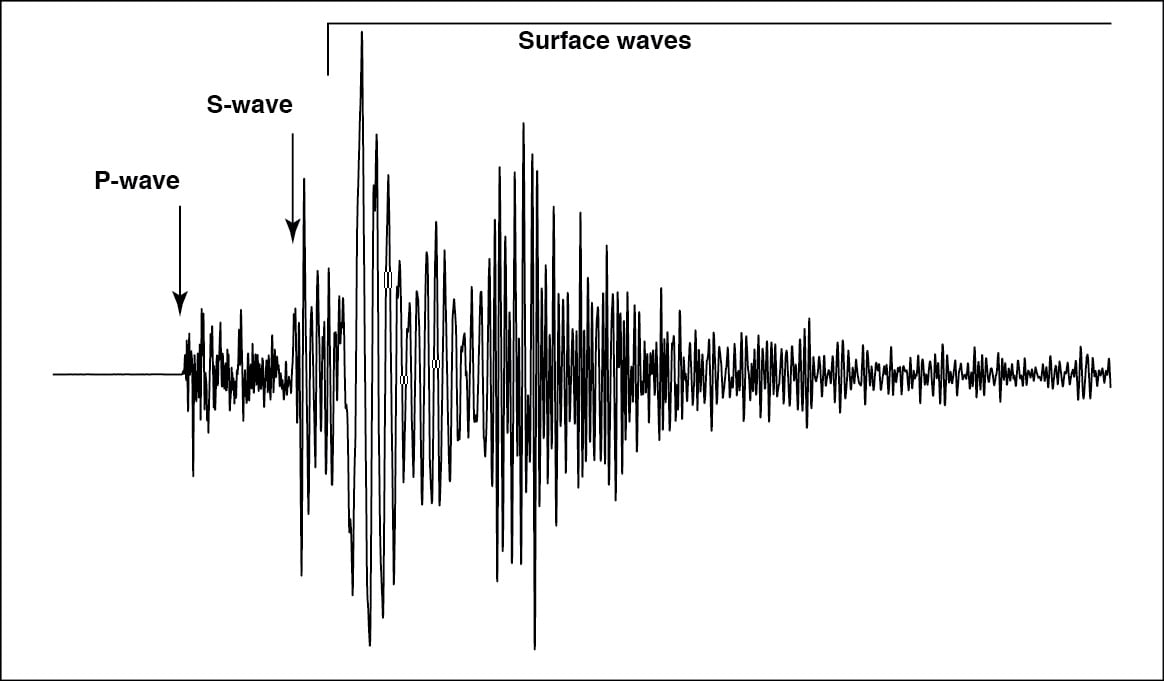
Official Earthquake Details
According to the National Research Institute of Astronomy and Geophysics, the earthquake was precisely recorded by the national seismic monitoring network. The key details are as follows:
- Date: April 1, 2026
- Time: 07:11:33 PM (local time)
- Magnitude: 4.9 on the Richter scale
- Location: 647 kilometers northwest of Marsa Matrouh
- Coordinates: Latitude 35.35° North, Longitude 22.18° East
- Depth: 54.35 km
The institute classified the tremor as a moderate earthquake, which is often not felt when it occurs at significant depths or far from populated areas.


Why Was It Not Felt?
Despite a magnitude of 4.9, several factors explain why residents did not feel the earthquake:
Significant Depth
At over 54 kilometers deep, the seismic energy dissipated before reaching the surface with noticeable intensity.
Distance from Land
The earthquake occurred far offshore in the Mediterranean Sea, reducing the strength of seismic waves reaching inhabited areas.
Geological Conditions
Certain geological formations absorb and weaken seismic waves, further minimizing surface impact.
Were There Any Damages?
As of the official reports:
- No casualties were recorded
- No property damage was reported
- No residents reported feeling the tremor
Authorities confirmed that the situation remains stable and under continuous monitoring.
Broader Context: Recurring Seismic Activity
This earthquake is not an isolated incident. Egypt recently experienced another tremor near Hurghada, measuring 4.2 on the Richter scale, also without damage.
Such events reflect normal seismic activity in regions influenced by tectonic movements, particularly around the Red Sea and the Mediterranean basin.
The Role of Scientific Monitoring
The National Research Institute plays a central role in managing seismic activity through:
- Continuous real-time monitoring
- Precise seismic data analysis
- Immediate public reporting
- Issuing warnings when necessary
The institute reaffirmed its commitment to tracking seismic developments and providing updates as needed.
What Does This Mean Going Forward?
Preparedness Still Matters
Even minor earthquakes highlight the importance of readiness at both institutional and community levels.
Strength of Monitoring Systems
The accurate detection and reporting of this event demonstrate the reliability of Egypt’s seismic monitoring infrastructure.
Natural Geological Processes
This activity aligns with normal tectonic behavior and does not necessarily indicate an imminent threat.
Conclusion: A Minor Event with Meaningful Insights
The earthquake northwest of Marsa Matrouh serves as a reminder of Earth’s continuous geological activity. While it caused no harm, it underscores the value of scientific monitoring and preparedness.
Events like this are part of the planet’s natural balance, and understanding them is essential for maintaining public confidence and safety.