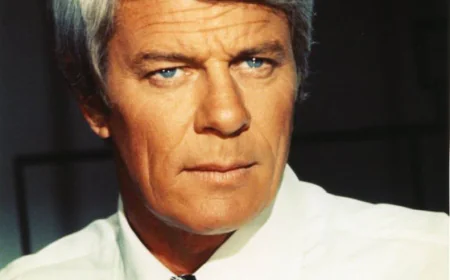
Max Clifford Net Worth, Relationships, Age/Birthdate & Birthday
Overview of Max Clifford — net worth, relationships, age/birthdate, and birthday.
 loveness92
The Rise and Fall of Max Clifford — A Story of Power, Secrets, and Scandal
The Making of a “Spin Doctor”
Max Clifford — born on April 6, 1943 — began life far from the glamour of tabloid fame. Growing up in modest circumstances in Surrey, he left school at 15 and started his career modestly as a junior journalist. In 1962, he secured a job as a press officer at the record label EMI.
That early exposure to music and media helped shape his understanding of publicity. By 1970, at age 27, Clifford struck out on his own — founding Max Clifford Associates. What began as representing musicians soon expanded: he would come to advise actors, sports stars, politicians, and tabloid-ready celebrities.
Clifford’s knack wasn’t just in managing reputations — it was in mastering the sensational. He pioneered a brand of “kiss-and-tell” publicity: trading scandal, exposure, and secrets for headlines. By orchestrating tabloid stories and managing exits or re-entries into public favor, he established himself as Britain’s most notorious — and powerful — publicist.
Headlines, Clients — and a Reputation Built on Spin
Over decades, Clifford’s client list read like a who’s-who of high-profile — and high-controversy — names. Among his clients were globally-known figures: entertainers, athletes, and prominent cultural icons.
One of his most infamous triumphs (or deceptions) came in the 1980s: the tabloid splash “Freddie Starr Ate My Hamster.” The headline, now legendary in British media history, was later admitted by Clifford to have been completely fabricated.
Through these tactics — selling scandalous stories, burying damaging ones, negotiating with newspapers for exclusives — Clifford shaped public perception of his clients at a speed and intensity that few could rival. To many, he was a master of spin. To others, he became a symbol of tabloid excess, moral compromise, and media manipulation.
Private Life and Public Secrets
Clifford’s personal life mirrored the turbulence of his professional one. In June 1967, he married Elizabeth Louise Porter; the couple remained together until her death from lung cancer in April 2003. They had a daughter, Louise Clifford.
In April 2010, Clifford married his former personal assistant, Jo Westwood. However, the marriage ended in divorce just a few years later, following Clifford’s arrest and the collapse of his public life.
At the height of his success, Clifford lived in a large mansion in Hersham, Surrey — a stark contrast to his modest upbringing.
How Much Was He Worth — And What’s Left of That Legacy?
Estimating the net worth of someone like Clifford is tricky. Publicly available sources such as general “celebrity-net-worth” summaries attempt to assign a value, but they often lack rigorous verification. For example, one recent profile describes him as “one of the most influential figures in the UK media landscape.”
Given decades of high-value clients, media deals, legal settlements (some reportedly in the millions), and a lucrative publicity business at its peak, it is plausible Clifford’s earnings were substantial. However — and critically — his 2014 conviction on multiple counts of indecent assault ultimately destroyed his career, severed ties with clients, and led to the dissolution of Max Clifford Associates.
Because of that collapse and the lack of reliable financial disclosures, any net worth estimate is speculative. No authoritative source such as Forbes or Bloomberg provides a confirmed final net worth for Max Clifford. That ambiguity — and the discrediting effect of his crimes — means any claimed number should be treated with caution.
The Collapse: Arrest, Conviction, and Final Years
In December 2012, as part of the major criminal investigation Operation Yewtree — which was launched in response to revelations about abuse by public figures — Clifford was arrested on suspicion of sexual offences.
In April 2014, he was found guilty on eight counts of indecent assault against four victims, with abuses spanning the late 1970s and 1980s. The judge noted his “contemptuous attitude,” which contributed to a harsher sentence: eight years in prison.
The verdict triggered a cascade: clients dropped him, his firm shut down, and the legacy he had built over decades collapsed.
On December 10, 2017, Clifford died in hospital after collapsing while incarcerated at HM Prison Littlehey. The cause was cardiac arrest triggered by heart failure — according to an inquest, his death was ruled due to natural causes.
A Complicated Legacy: Master of Spin or Cautionary Tale?
In retrospect, Clifford’s influence on media and celebrity culture is impossible to ignore. He rewrote (or perhaps “warped”) the rules of public relations in Britain: turning scandal into currency, and secrets into leverage. His success demonstrated the power of narrative — how public image could be shaped, suppressed, or exploited at will.
Yet his downfall and crimes cast a long, shadowy stain over that legacy. The same mechanisms he used to build reputations — manipulation, secrecy, sensationalism — were also tools he allegedly abused to exploit vulnerable people.
In the end, Max Clifford’s story stands as a cautionary tale: a portrait of how influence and fame can be built on fragile foundations — and how the greater the power, the harsher the fall when truth emerges.
Note on Net Worth: Despite many online claims, no credible, verifiable source currently confirms Max Clifford’s final net worth. Given the collapse of his business, loss of clients, and legal consequences, any monetary estimate remains speculative.