

Mark Zuckerberg and the AI Future: Inside Meta’s Bold Reinvention
A New Chapter for Silicon Valley’s Most Watched CEO
Few technology leaders have consistently shaped the direction of the digital world like Mark Zuckerberg. From building Facebook in a Harvard dorm room to leading one of the most powerful tech companies globally, his career has been defined by ambitious bets on the future.
In 2026, Zuckerberg is once again pushing boundaries—this time with a concept that blurs the line between leadership and artificial intelligence. His latest initiative, an AI-powered version of himself, reflects a broader shift within Meta Platforms toward becoming an “AI-native” organization.
This move is not just another product experiment. It signals a structural transformation in how companies operate, communicate, and scale leadership.
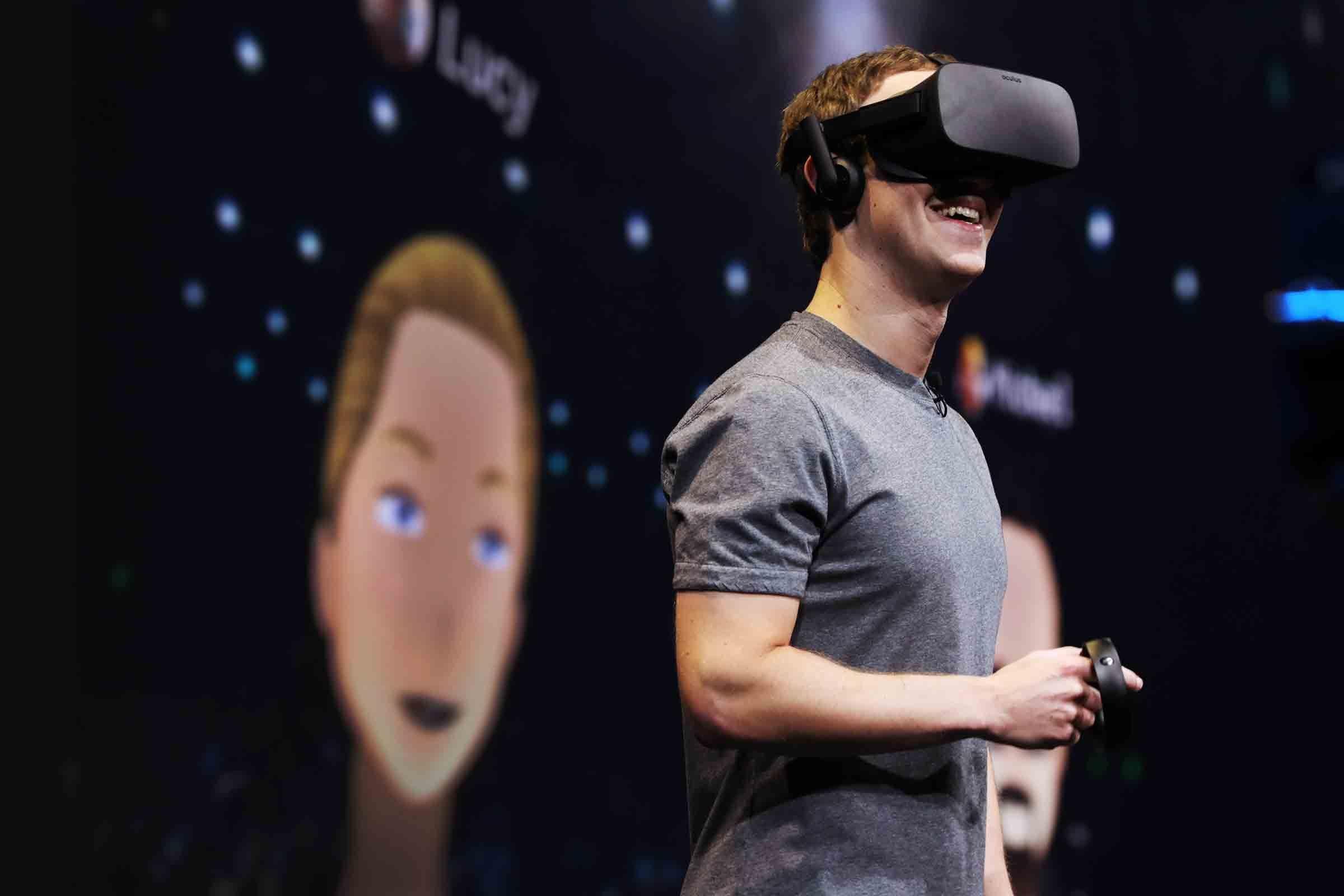
The AI Zuckerberg: Scaling Leadership Through Technology
At the center of Meta’s current strategy is the development of a digital AI clone of Zuckerberg. The system is being trained on his voice, tone, mannerisms, and public statements, allowing it to simulate how he communicates and makes decisions.
The objective is straightforward: provide Meta’s approximately 79,000 employees with direct, on-demand access to leadership insights—even when the real CEO is unavailable.
Instead of waiting for meetings, emails, or internal memos, employees could “consult” an AI version of Zuckerberg at any time. The system is designed to respond in ways that reflect his strategic thinking and leadership style.
This concept aligns with Meta’s broader ambition to flatten organizational structures and remove communication bottlenecks. By digitizing executive presence, the company is effectively attempting to scale leadership itself.
From AI Assistant to AI Executive
The AI clone is not an isolated experiment. It builds on Zuckerberg’s earlier efforts to integrate artificial intelligence into executive workflows.
Reports indicate he has already been developing an “AI chief of staff”—a personal assistant capable of retrieving information and streamlining decision-making processes. Now, that model is being expanded across the company.
Employees are also reportedly building their own AI assistants using internal tools, signaling a shift toward decentralized, AI-driven productivity.
This approach reflects a fundamental change in corporate structure:
- Fewer hierarchical layers
- Faster information access
- Increased reliance on AI for decision support
In practical terms, Meta is testing whether AI can replace not just tasks—but aspects of leadership itself.
The Strategic Context: Meta’s AI Pivot
Meta’s investment in AI is not happening in isolation. It follows a period of recalibration after the company’s high-profile push into the metaverse.
The metaverse initiative, while ambitious, struggled to achieve widespread adoption. Virtual reality platforms failed to reach the scale Zuckerberg had anticipated, and the company faced criticism over the quality and practicality of its early implementations.
Now, AI has emerged as the new strategic priority.
Meta is committing multibillion-dollar investments to remain competitive with major tech rivals. The goal is to reposition the company at the forefront of the next technological wave—one defined not by virtual worlds, but by intelligent systems embedded into everyday workflows.
Opportunity or Overreach? The Workplace Debate
While the concept of an AI CEO offers clear efficiency benefits, it also introduces complex questions about workplace culture and leadership dynamics.
Potential Advantages
- Accessibility: Employees gain instant access to leadership insights
- Consistency: Messaging and strategic direction remain uniform
- Scalability: Leadership presence extends across a global workforce
Emerging Concerns
However, internal and external reactions suggest a more complicated reality.
Some employees may view the AI clone as an extension of constant oversight rather than a supportive tool. The idea of a “digital boss” available at all times raises concerns about pressure, surveillance, and autonomy.
There is also a deeper philosophical question: can leadership be meaningfully replicated by an algorithm?
Critics argue that human leadership involves nuance, empathy, and unpredictability—qualities that are difficult to encode into AI systems. Interacting with an AI version of a CEO may feel efficient, but potentially less authentic.
Beyond Meta: A Blueprint for the Future?
If Meta’s experiment succeeds, its implications could extend far beyond a single company.
The same technology could be adopted by:
- Corporate executives
- Influencers and creators
- Public figures and educators
Imagine a world where individuals can interact with digital versions of leaders, experts, or celebrities in real time. Meta appears to be positioning itself as the platform that enables this shift.
This vision aligns with broader trends in AI-driven personalization, where digital experiences become increasingly tailored and interactive.
Culture, Control, and the Evolution of Work
The development of an AI Zuckerberg also reflects a broader transformation in how work is organized.
Traditional corporate models rely on:
- Hierarchical communication
- Scheduled interactions
- Limited access to leadership
Meta’s approach challenges these norms by introducing:
- Continuous interaction
- Algorithm-driven communication
- Distributed decision-making
However, this evolution comes with trade-offs.
The presence of AI leadership tools could redefine expectations around availability, productivity, and performance. Employees may feel empowered by access—or constrained by constant digital oversight.
Zuckerberg in the Public Eye: Technology and Influence
At the same time, Zuckerberg’s influence continues to extend beyond Meta’s internal operations.
His role as a central figure in debates around social media, free speech, and technology regulation remains prominent. Cultural portrayals—such as the upcoming film The Social Reckoning, where he is depicted defending his stance as a “free speech absolutist”—highlight how his leadership continues to shape public discourse.
What Comes Next
Meta’s AI initiatives are still in development, and many details remain unclear. The company has not fully outlined how the AI clone will be deployed, nor what safeguards will be implemented.
Key questions remain:
- How will AI-generated responses be validated?
- What boundaries will exist for employee interaction?
- How will privacy and data concerns be addressed?
Despite these uncertainties, one conclusion is evident: Meta is actively redefining the role of AI within organizations.
Conclusion: A Turning Point for Leadership in the AI Era
Mark Zuckerberg’s latest initiative represents more than a technological experiment—it is a test of how far artificial intelligence can reshape leadership itself.
By attempting to replicate executive presence through AI, Meta is exploring a future where access, communication, and decision-making are no longer limited by human constraints.
Whether this vision leads to greater efficiency or unintended consequences will depend on how the technology is implemented—and how people respond to it.
What is certain is that the boundaries between human leadership and machine intelligence are becoming increasingly blurred. And once again, Zuckerberg is positioning himself at the center of that transformation.


