Marilyn Burns Net Worth, Relationships, Age/Birthdate & Birthday
Overview of Marilyn Burns — net worth, relationships, age/birthdate, and birthday.
 loveness92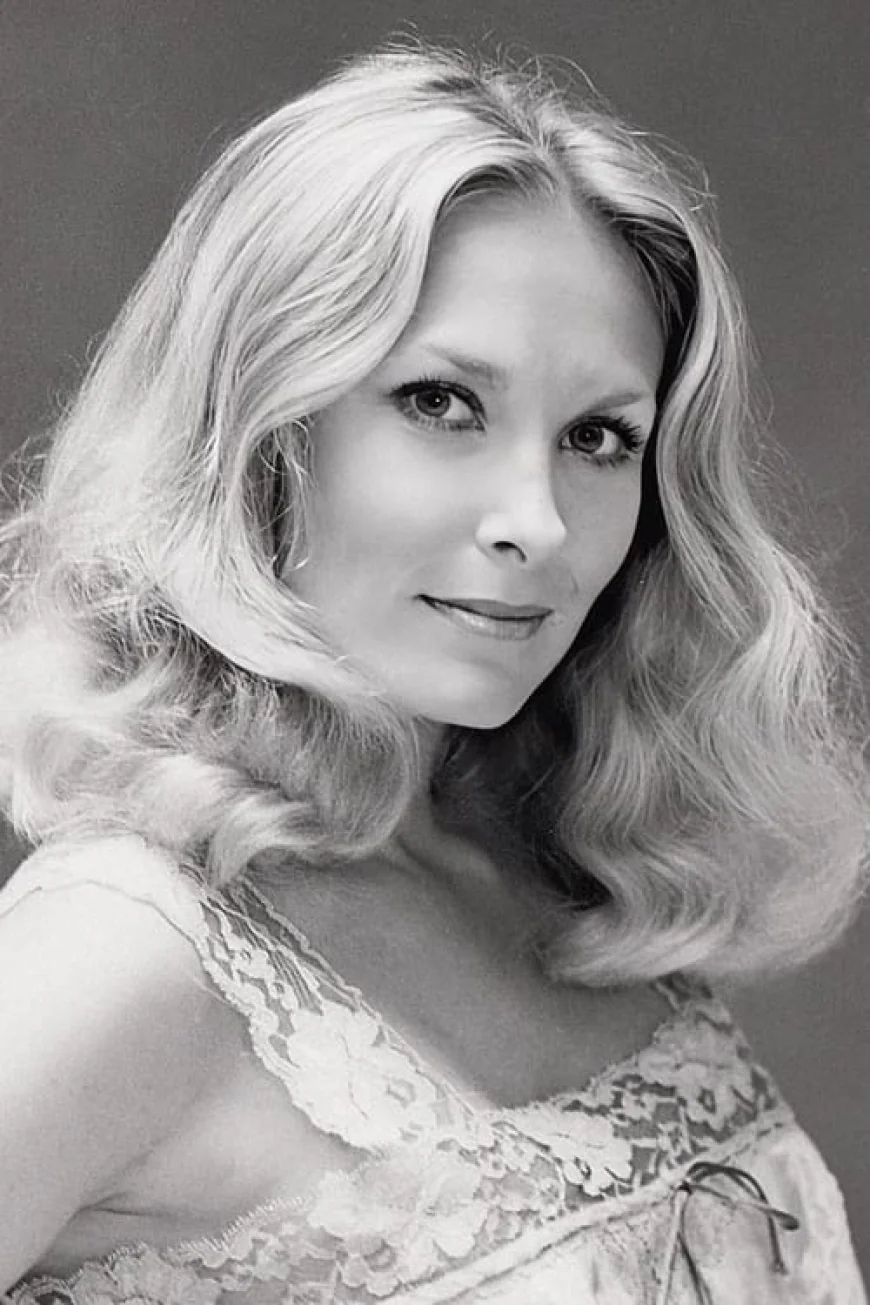
The Haunting Legacy of Marilyn Burns
Few figures in horror cinema left as indelible a mark as Marilyn Burns. With a single performance she became emblematic of the “final girl” archetype, and decades after her breakthrough she remains a reference point for horror fans, filmmakers, and critics alike. Here’s a deeper look at her life — from humble beginnings to cult stardom, and the legacy she left behind.
A Passion for Performance: How a Dream Began
Born Mary Lynn Ann Burns on May 7, 1949 in Erie, Pennsylvania, Marilyn Burns was raised in Houston, Texas, after her family relocated when she was young. From an early age, she showed a strong interest in the arts — by her seventh-grade year, she was already participating in school musicals.
Burns pursued that passion academically. She graduated from Memorial High School in 1967, and went on to study drama at the University of Texas at Austin, earning a Bachelor’s degree in 1971. While at university, she began working with the state’s film commission — a move that would soon connect her to the budding film industry in Texas.
Her first cinematic credit came in 1970, when she appeared (albeit uncredited) in Brewster McCloud. That early experience, modest as it was, paved the way for the moment that would shape her career — and horror history — forever.
From Unknown Actress to Horror Icon
Burns’s life changed dramatically in 1974 when she was cast as Sally Hardesty in The Texas Chain Saw Massacre, directed by Tobe Hooper.
The film — shot on a shoestring budget with an inexperienced cast — defied expectations. Its raw, visceral style and unsettling atmosphere struck a chord, and Burns’s portrayal of a terrified yet resilient survivor became a defining moment in horror cinema. Her performance helped cement the “final girl” trope that would influence decades of slasher films to come.
In the years that followed, Burns took on roles in other projects: she appeared as Linda Kasabian in the Emmy-nominated TV movie Helter Skelter (1976), and acted in horror films such as Eaten Alive (1977), Kiss Daddy Goodbye (1981), and Future‑Kill (1985).
Although she never became a mainstream Hollywood star, her iconic status as one of the original “scream queens” endured. She continued to make appearances — sometimes in small roles, sometimes in cameo form — within the horror genre for decades.
In 2009, the horror community formally recognized her legacy when she was inducted into the International Horror & Sci‑Fi Hall of Fame.
The Question of Net Worth & Life Off-Screen
Estimating the financial legacy of genre actors from the 1970s and 1980s is challenging — especially for those who never reached A-list status. According to one widely cited source, her net worth was roughly US$300,000.
But to view Marilyn Burns purely through a financial lens misses the point of her impact. She didn’t achieve enormous fortune, but she earned something arguably more enduring: a place in cinematic history and the devoted admiration of horror fans around the world. Her legacy is not measured in bank accounts, but in influence — on an entire genre, its aesthetics, and future generations of filmmakers and actors.
Little publicly documented information exists about her romantic relationships or personal life outside her career. What emerges from obituaries and remembrances is a private individual who, despite the horror personas she portrayed, was remembered by family and friends as gracious, warm, and humble.
A Final Bow — An Enduring Presence After Death
Marilyn Burns passed away on August 5, 2014, in her Houston home. Her passing was met with sorrow by fans and colleagues, many of whom recalled her as a pioneer — a woman who, with grit and grace, helped redefine horror cinema.
Though she is no longer among us, her birthday — May 7 — remains a day of remembrance for horror communities worldwide. The films she starred in are repeatedly revisited, analyzed, and celebrated. Her figure still appears on posters, in retrospectives, and at horror-film conventions — the embodiment of a raw, primal fear that cinema can evoke.
Her journey reminds us that greatness doesn’t always come with gloss or comfort. Sometimes, it arrives in the form of a low-budget horror film, a terrified scream, and the quiet confidence of a performer willing to stare into darkness — and survive.