




Major TV Cancellations 2026: Inside the Industry Reset
A Year of Endings—and a Shift in Television Strategy
The television industry in 2026 is undergoing a structural reset. Across streaming platforms, broadcast networks, and cable channels, a sweeping wave of cancellations and planned finales is reshaping what audiences watch and how content is produced.
- A Year of Endings—and a Shift in Television Strategy
- The Biggest Shows Ending in 2026
- The Emotional Core: Fan Favorites Saying Goodbye
- Reboots and New Projects That Never Survived
- Ratings, Budgets, and the Economics of Cancellation
- The Decline of Traditional Formats
- A Strategic Industry Pivot
- What This Means for Viewers
- The Future of Television After 2026
- Conclusion: A Defining Year for Television
This is not a typical cycle of shows quietly ending. Instead, it is a coordinated industry-wide recalibration driven by changing viewer habits, financial discipline, and strategic repositioning. From long-running hits to ambitious reboots that never made it to air, 2026 marks one of the most significant turning points in modern television history.
More than 50 shows are ending or canceled across major platforms, underscoring the scale of the shift.



The Biggest Shows Ending in 2026
High-Profile Finales Across Streaming and Broadcast
Several flagship series—some of them cultural touchstones—are concluding in 2026, either by design or necessity.
Among the most notable:



- The Witcher (Netflix)
- Outer Banks (Netflix)
- The Chi (Showtime)
- Yellowjackets (Showtime)
- Tell Me Lies (Hulu)
- Queer Eye (Netflix, ending with Season 10)
- The Kelly Clarkson Show (ending after Season 7)
- PBS News Weekend
These endings represent a mix of planned conclusions and strategic shutdowns, reflecting both creative intent and business realities.
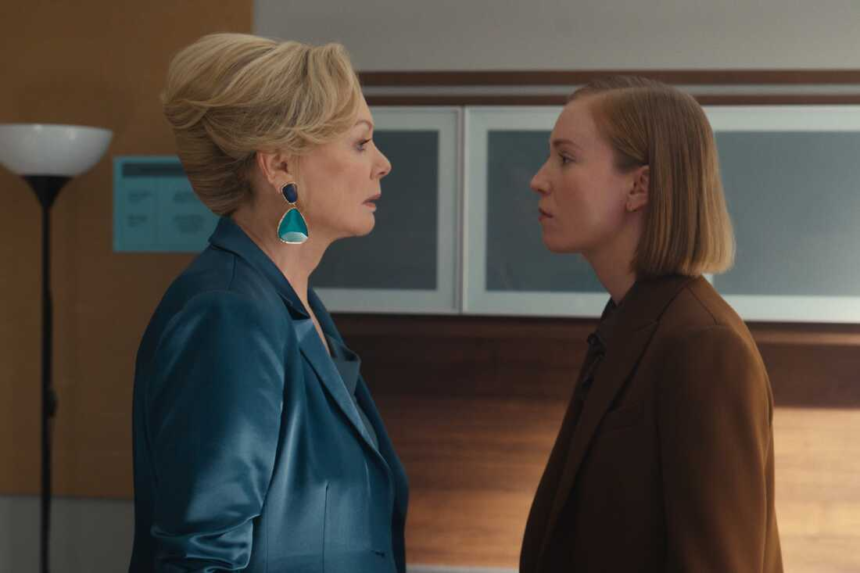
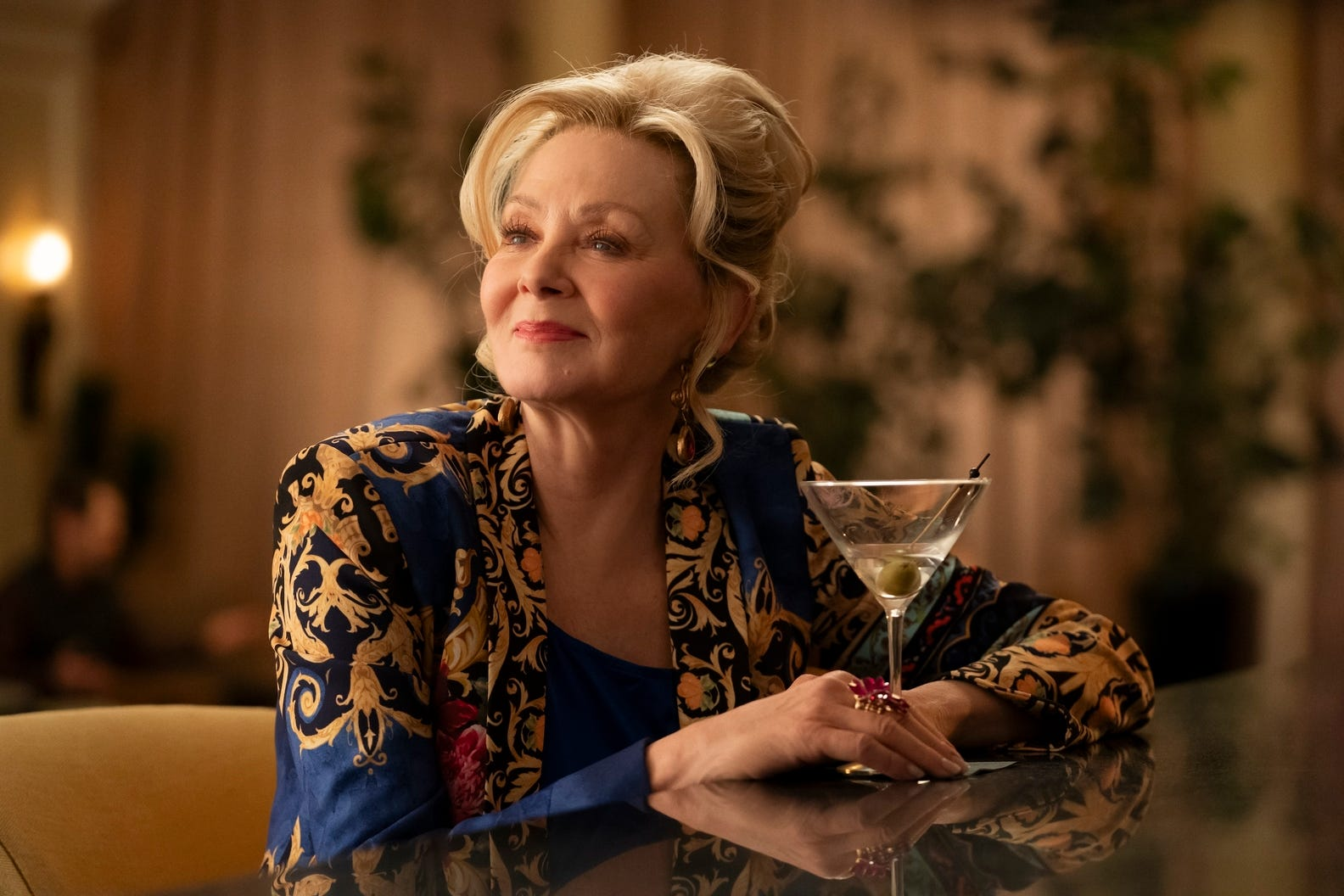
Some shows, like Hacks and The Bear, were always meant to end on their own terms—allowing creators to complete their narratives without overstaying their relevance. Others, however, were cut short due to declining viewership or rising production costs.
The Emotional Core: Fan Favorites Saying Goodbye
Prestige Television Reaches Its Natural End
A defining feature of 2026 cancellations is the number of critically acclaimed series reaching their final chapter.
- The Bear concludes with its fifth season, with its creators emphasizing a “complete story” arc.
- Outlander ends after its eighth season, closing a long-running romantic epic that maintained strong audience loyalty.
- Hacks wraps up its fifth season as a deliberate creative decision, with its team avoiding narrative fatigue.
In many cases, creators chose to end shows deliberately rather than risk decline. This reflects a growing industry philosophy: shorter, high-quality runs over extended longevity.


Reboots and New Projects That Never Survived
The Collapse of Anticipated Revivals
One of the most striking developments in 2026 is the failure of high-profile reboots to reach audiences.
The most notable case:
- The Buffy the Vampire Slayer reboot (New Sunnydale) was canceled at the pilot stage despite involvement from Sarah Michelle Gellar and Oscar-winning director Chloé Zhao.
The project was halted due to creative disagreements and incomplete scripts, highlighting how even strong intellectual property no longer guarantees success.
Similarly, other newer projects faced abrupt endings:
- Palm Royale ended after just two seasons despite critical praise
- Good Cop/Bad Cop and DMV failed to survive beyond early runs
- Yes, Chef! was canceled after one season
This pattern reveals a clear industry shift: studios are less willing to sustain underperforming or uncertain content—even if critically acclaimed.
Ratings, Budgets, and the Economics of Cancellation
Why Scripted Dramas Are Struggling
Financial pressure is central to the 2026 cancellation wave.
Key examples illustrate this trend:
- Watson (CBS) ended after two seasons due to declining ratings and rising costs
- Talamasca: The Secret Order was canceled after one season due to low viewership
- Star Trek: Starfleet Academy ended despite positive reception, citing poor Nielsen performance
These cases demonstrate a consistent rule in the current environment:
strong reviews alone are no longer enough—shows must deliver measurable audience scale and financial return.
At the same time, networks are becoming increasingly selective:
- CBS renewed newer hits like Marshals and CIA while canceling weaker performers
- Streaming platforms are prioritizing fewer, higher-impact projects
The Decline of Traditional Formats
Talk Shows and Syndication Under Pressure
Beyond scripted series, 2026 is also witnessing the decline of long-standing television formats.
Major developments include:
- The Late Show with Stephen Colbert ending after an 11-year run, partly due to declining advertising revenue
- Access Hollywood and Access Live ending after decades on air
- The Kelly Clarkson Show concluding as its host shifts focus to personal priorities
These cancellations reflect broader changes in audience behavior:
- Reduced engagement with traditional TV schedules
- Increased reliance on digital and on-demand platforms
- Declining advertising profitability in legacy formats
A Strategic Industry Pivot
From Volume to Efficiency
The underlying theme across all cancellations is strategic recalibration.
Studios and networks are moving away from:
- High-volume content production
- Risk-heavy investments in new intellectual property
And shifting toward:
- Proven franchises and established brands
- Limited series formats
- Cost-efficient productions with predictable returns
This transformation is not temporary. Analysts describe it as a long-term restructuring of the television ecosystem, driven by:
- Subscriber growth stabilization in streaming
- Rising production budgets
- Increased competition across platforms
What This Means for Viewers
Fewer Shows, Higher Stakes
For audiences, the impact is immediate:
- Fewer long-running shows
- More frequent endings—even for popular titles
- Greater emphasis on complete, tightly written stories
At the same time, there are benefits:
- Higher production quality
- More intentional storytelling
- Reduced filler seasons
However, the emotional cost remains significant. Fans are being asked to say goodbye to entire fictional worlds—sometimes earlier than expected.
The Future of Television After 2026
What Comes Next
The 2026 cancellation wave signals a clear direction for the future:
- Limited series will dominate
Short, self-contained narratives are becoming the preferred model. - Franchise-driven content will expand
Established universes may continue through spin-offs rather than long-running originals. - Data-driven decisions will intensify
Performance metrics will increasingly dictate survival. - Creative control will tighten
Studios will prioritize projects with clear strategic alignment over experimental concepts.
In some cases, canceled franchises may return in new forms. For example, discussions around potential future iterations of the Buffy universe suggest that intellectual property remains valuable—even when individual projects fail.
Conclusion: A Defining Year for Television
The major TV cancellations of 2026 are not simply a list of endings—they represent a structural turning point.
This year marks the moment when the industry moved decisively from expansion to optimization. The era of unlimited content spending is over, replaced by a more disciplined, results-driven approach.
For viewers, it is a year of farewells. For the industry, it is a recalibration that will shape television for the next decade.