


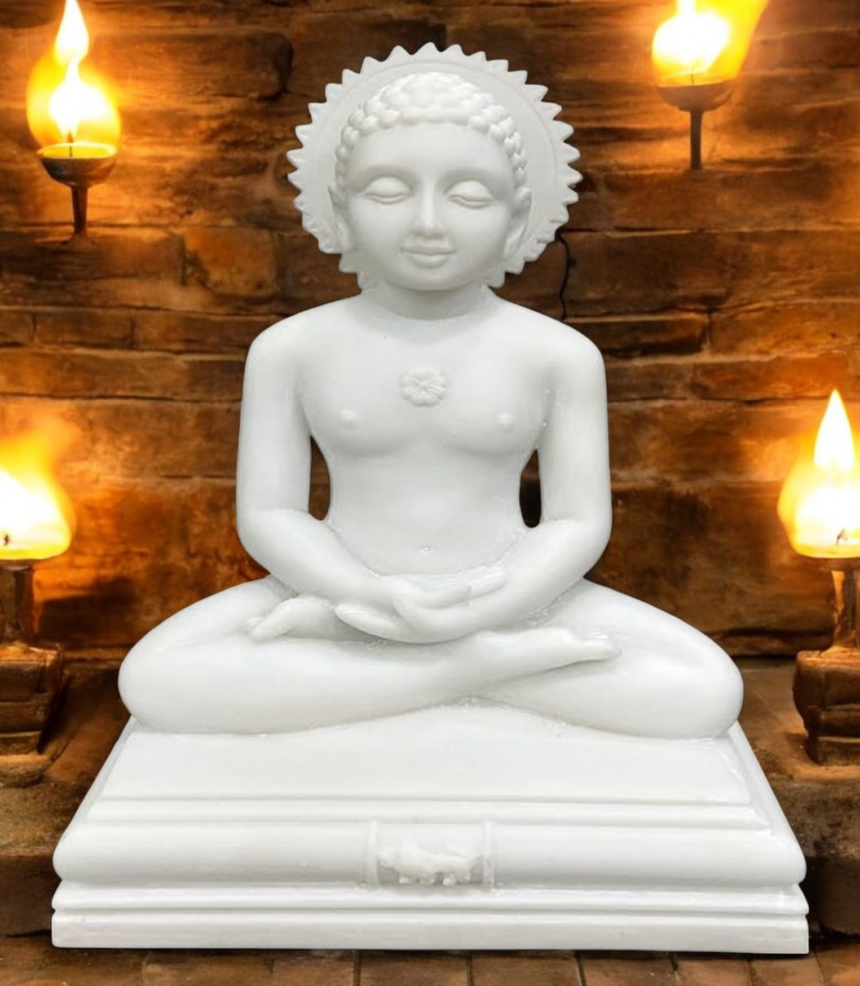
Mahavir Jayanti 2026 Video: How Digital Celebrations Are Bringing a Sacred Festival to Life
A Festival Rooted in Tradition, Amplified by Screens
As Mahavir Jayanti 2026 approaches, one noticeable shift stands out: the growing demand for “Mahavir Jayanti 2026 video” content across digital platforms. While the festival itself remains deeply spiritual and rooted in centuries-old traditions, the way people experience and share it has evolved significantly.
- A Festival Rooted in Tradition, Amplified by Screens
- Understanding the Significance Behind the Celebrations
- Key Dates and Timings for Mahavir Jayanti 2026
- Why “Mahavir Jayanti 2026 Video” Is Trending
- Rituals and Practices Now Seen Through Video
- Public Holiday and Broader Observance
- The Cultural Impact of Video on Religious Celebrations
- The Deeper Message Behind the Visuals
- What to Expect Next: Future Trends
- Conclusion: A Sacred Tradition in a Digital Era
Observed on Tuesday, March 31, 2026, Mahavir Jayanti marks the birth anniversary of Lord Mahavir, also known as Vardhamana, the 24th Tirthankara of Jainism. The day is not only a religious observance but also a reflection of timeless values—non-violence, truth, simplicity, and compassion—that continue to guide millions worldwide.
In 2026, video content is playing a central role in how this sacred occasion is celebrated, documented, and shared globally.


Understanding the Significance Behind the Celebrations
Before examining the rise of video content, it is essential to understand what Mahavir Jayanti represents.
Lord Mahavir, born in 599 BCE in Kundagrama near Vaishali, is one of the most revered spiritual leaders in Jainism. His teachings emphasized:



- Ahimsa (non-violence)
- Satya (truthfulness)
- Aparigraha (non-possessiveness)
These principles form the ethical foundation of Jain philosophy and remain highly relevant in modern society.
The festival commemorates what is considered his 2624th birth anniversary, a milestone that adds further cultural and historical significance to the 2026 observance.
Key Dates and Timings for Mahavir Jayanti 2026
Accurate timing is central to religious observances, and Mahavir Jayanti follows the lunar calendar.
- Date: Tuesday, March 31, 2026
- Trayodashi Tithi Begins: March 30, 2026 at 07:09 AM
- Trayodashi Tithi Ends: March 31, 2026 at 06:55 AM
These timings determine when rituals, prayers, and processions take place—details that are increasingly being captured and shared through video.



Why “Mahavir Jayanti 2026 Video” Is Trending
1. Real-Time Access to Sacred Rituals
For many, especially those living outside India or away from Jain communities, attending temple ceremonies physically is not always possible. Video content bridges this gap.
Live streams and recorded clips now provide:
- Temple prayers and chants
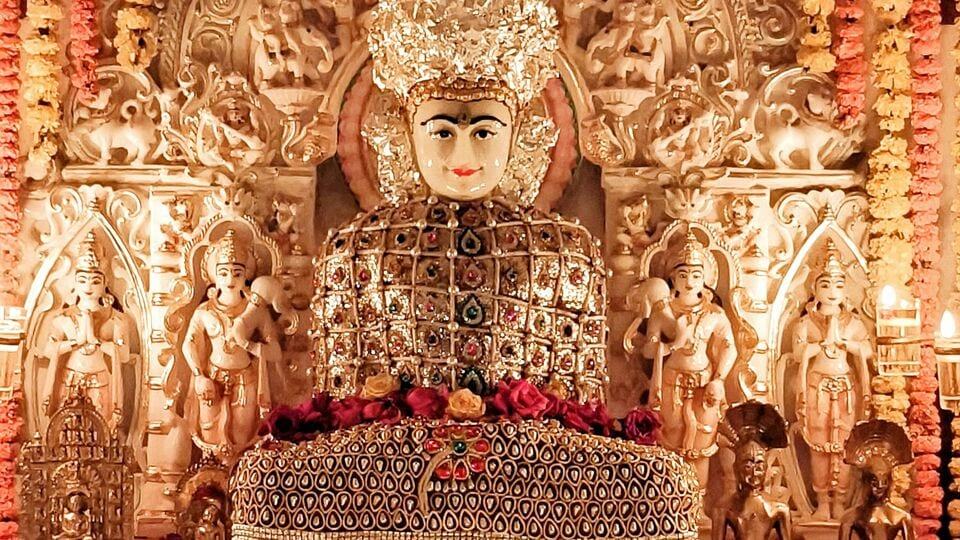
- Processions featuring idols of Lord Mahavir
- Discourses by Jain monks and scholars
This allows global participation without geographical limitations.
2. Cultural Documentation Through Visual Storytelling
Videos are not just recordings—they are becoming archives of tradition.
From elaborate temple decorations to community charity drives, Mahavir Jayanti videos capture:
- The scale of celebrations
- Regional variations in rituals
- Emotional and spiritual moments
These visual narratives help preserve the festival for future generations.
3. Social Media Amplification
Platforms like YouTube, Instagram, and short-video apps have transformed how festivals trend.
Short clips titled “Mahavir Jayanti 2026 video” typically include:
- Inspirational quotes from Lord Mahavir
- Highlights of processions
- Devotional music and bhajans
- Animated storytelling of Jain teachings
This format makes religious content more accessible, especially to younger audiences.
Rituals and Practices Now Seen Through Video
Mahavir Jayanti is traditionally observed with devotion and discipline. Video content now provides a window into these practices.
Temple Visits and Prayers
Devotees visit Jain temples to offer prayers and participate in special ceremonies. These moments are often streamed or recorded for wider viewing.
Processions (Rath Yatras)
Colorful processions carrying the idol of Lord Mahavir are a major highlight. These are among the most widely shared visuals online.
Charity and Community Service
The festival emphasizes compassion and service. Many videos showcase:
- Food distribution drives
- Donations to the needy
- Acts of kindness within communities
These reflect the core teachings of Jainism in action.
Spiritual Discourses
Teachings delivered by monks are increasingly shared through video platforms, allowing deeper engagement with Mahavir’s philosophy.
Public Holiday and Broader Observance
Mahavir Jayanti is recognized as a gazetted public holiday in India, meaning government offices, banks, and many institutions remain closed in several states.
While most schools and colleges are likely to remain closed in states where the festival is officially observed, the exact status may vary depending on local administrative decisions.
This widespread observance contributes to increased participation—and consequently, more video content being created and shared throughout the day.
The Cultural Impact of Video on Religious Celebrations
Expanding Reach Beyond Borders
Jain communities exist across countries such as India, Nepal, the United States, and the United Kingdom. Video content ensures that Mahavir Jayanti is experienced as a global event rather than a localized celebration.
Educating New Audiences
Short educational videos explaining:
- Who Lord Mahavir was
- Why the festival is celebrated
- What rituals mean
are helping introduce Jain philosophy to broader audiences.
Preserving Authenticity vs. Digital Adaptation
While videos enhance accessibility, they also raise questions about authenticity:
- Are rituals being simplified for visual appeal?
- Does digital consumption dilute spiritual depth?
These remain ongoing discussions within religious and cultural circles.
The Deeper Message Behind the Visuals
Despite the digital transformation, the essence of Mahavir Jayanti remains unchanged.
The videos circulating online ultimately point back to a simple message:
- Practice non-violence in thought and action
- Speak truthfully
- Live with minimal attachment
In a world increasingly shaped by conflict, consumption, and speed, these principles resonate more strongly than ever.
What to Expect Next: Future Trends
Looking ahead, Mahavir Jayanti celebrations are likely to continue evolving digitally:
- High-quality live streams from major temples
- Virtual reality experiences of processions and rituals
- Interactive educational content for younger audiences
- Global collaboration among Jain communities online
The keyword “Mahavir Jayanti 2026 video” is not just a search trend—it reflects a broader shift toward digital spirituality.
Conclusion: A Sacred Tradition in a Digital Era
Mahavir Jayanti 2026 stands at the intersection of tradition and technology. While the rituals, teachings, and values remain rooted in ancient philosophy, the ways people engage with them are rapidly modernizing.
Video content has emerged as a powerful medium—documenting devotion, connecting communities, and amplifying a message that has endured for over two millennia.
Ultimately, whether experienced in a temple or through a screen, the purpose remains the same: to reflect, to practice compassion, and to move closer to a life guided by truth and non-violence.