Lyor Cohen Net Worth, Relationships, Age/Birthdate & Birthday
Overview of Lyor Cohen — net worth, relationships, age/birthdate, and birthday.
 loveness92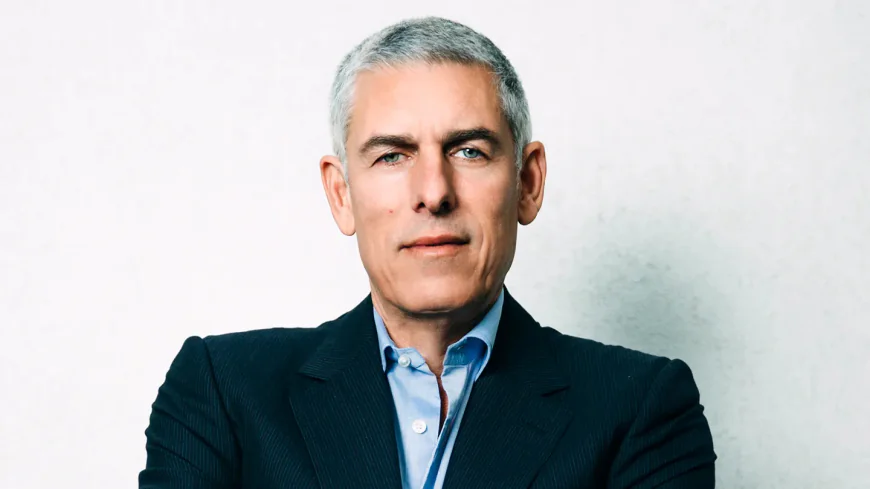
The Rise of a Cultural Power Broker
Lyor Cohen’s journey reads like a masterclass in evolving with the music industry — from humble beginnings to becoming one of its most influential architects. Born on October 3, 1959 — his birthdate — in New York City to Israeli immigrant parents, Cohen spent part of his early childhood in Israel before relocating with his family to Los Angeles.
He went on to study global marketing and finance at the University of Miami (BBA), graduating in 1981. What followed was a bold pivot: after a short, uninspiring stint in banking, Cohen immersed himself in the emerging hip-hop scene — a decision that would shape both his life and global music culture.
From Street-Level Hustle to Defining Hip-Hop’s Mainstream
Cohen’s entry into the music business began in the early 1980s, promoting rap shows in Los Angeles. The energy and promise of those shows led him to join Rush Artist Management (Rush Management), where he road-managed for the seminal group Run-DMC and others.
As the 1980s progressed, Cohen started signing artists to Rush — among them influential acts such as LL Cool J, Beastie Boys, Public Enemy, A Tribe Called Quest, and De La Soul.
That network and track record opened the door to leadership at Def Jam Recordings — the label synonymous with the rise of hip-hop. Cohen helped steer it through its evolution, including a pivotal separation from Sony and a distribution deal with PolyGram.
As Def Jam merged into what became Island Def Jam Music Group, Cohen’s influence expanded. He oversaw labels broad enough to include metal, rock, pop, and rap — guiding the careers of artists as varied as Mariah Carey, Bon Jovi, and rap heavyweights like Jay-Z and Ludacris.
By the early 2000s, Cohen’s scope grew beyond hip-hop — when he moved to Warner Music Group (WMG) and became Chairman and CEO of Recorded Music. In that role, he presided over all of WMG’s recorded music operations, guiding them through the turbulent early years of the digital‐music revolution.
Reinvention: Independent Label and Digital Innovation
In 2012, Cohen left WMG to co-found 300 Entertainment — an independent label built to tap into emerging trends and new voices in hip-hop.
Then came arguably his boldest move: in late 2016, he joined YouTube as Global Head of Music. In that capacity, Cohen leveraged YouTube’s massive reach and dual monetization model (ad-supported and subscription) to rethink artist compensation and distribution for a streaming-first world.
Under his watch, YouTube’s music strategy shifted: an emphasis on artist development, digital-first releases, and global access — aligning with Cohen’s long-standing instinct for recognizing what could penetrate mainstream culture before anyone else.
A Legacy Woven Through Artists, Deals, and Cultural Shifts
What sets Cohen apart isn’t just executive titles — but vision. He pioneered the idea of street-level marketing for rap, transforming a marginalized genre into global phenomenon.
He brokered landmark deals, like a 2006 licensing agreement between Warner and YouTube — long before streaming became the norm.
Through each shift — rap to rock, physical sales to streaming — Cohen has remained in front of the curve. In conversations, he talks openly about his grounding as a father, his Jewish heritage, and his desire to support creativity over industry clichés.
Wealth, Influence, and the Personal Picture
According to public estimates, Cohen’s net worth stands around US $150 million. That figure reflects decades of leadership at major labels, co-founding 300 Entertainment, and his strategic role at YouTube in a streaming era.
On the personal front — his relationships and family life have been as significant as his business milestones. His first known marriage was to E.K. Smith; later, he was married to Amy Cohen, with whom he had a daughter and a son.
In August 2016, Cohen married former basketball player and model Xin Li (also spelled Li Xin), an art consultant and longtime chair-person at a major auction house in Asia. The two have a child together.
Beyond family, Cohen has invested in cultural legacy: he sits on the board of the Rock and Roll Hall of Fame and supports youth-oriented charities, such as Boys & Girls Harbor.
Why Lyor Cohen Still Matters in 2025 (and Beyond)
In an industry where many executives rise and fade, Cohen’s staying power is remarkable. He has not only adapted — he has often defined transitions. From the analog-record era to streaming, from underground rap battles to global pop phenomena, Cohen helped shape each phase.
Today, his influence is felt not through headline-grabbing scandals but through the infrastructure of modern music: distribution deals, artist support systems, and a global platform where new artists can emerge. For many of the biggest stars and tomorrow’s breakout acts, Cohen’s fingerprints are on their success.
His story — of immigrant roots, bold risk-taking, and enduring reinvention — stands as a testament to the power of vision, perseverance, and cultural acumen.