


LEGO World Cup: When Football’s Biggest Stage Meets Creative Culture
A New Era of Football Fandom in Brick Form
As anticipation builds toward the global spectacle of the FIFA World Cup 2026, a different kind of celebration is unfolding—one built not on grass pitches, but on interlocking bricks. The rise of the “LEGO World Cup” concept signals a deliberate shift in how football culture is consumed, experienced, and remembered.
- A New Era of Football Fandom in Brick Form
- From Trophy Replicas to Player Icons
- The LEGO Editions Collection: Structure and Design Philosophy
- Release Timeline and Market Strategy
- Bridging Sport and Creative Culture
- Why These Players Matter
- Commercial and Cultural Implications
- What Comes Next?
- Conclusion: A Different Kind of World Cup Legacy
The LEGO Group has expanded its footprint in global sports storytelling by introducing an ambitious collection tied directly to the tournament. Rather than limiting itself to symbolic builds like trophies, LEGO has entered a more immersive space—bringing the world’s most recognizable footballers into collectible, buildable form.
This development is not simply about toys. It represents a broader convergence of sport, design, and global fan culture.



From Trophy Replicas to Player Icons
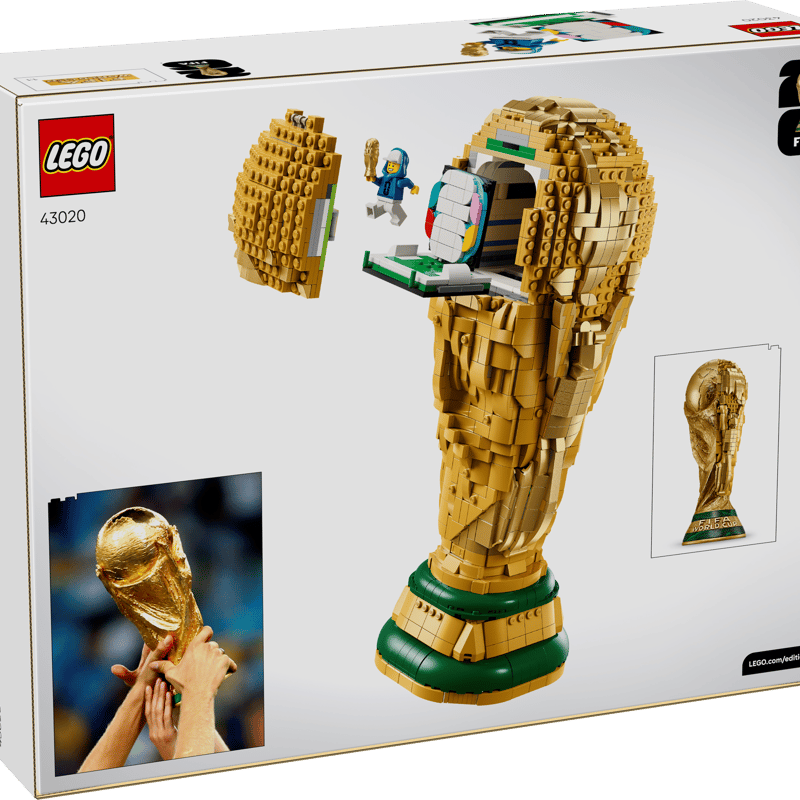
LEGO’s engagement with football is not entirely new. Previous releases included highly detailed recreations of the World Cup trophy and even complex display models such as a 1,498-piece football containing a miniature stadium inside.
However, the 2026 initiative marks a decisive evolution. Instead of focusing solely on symbolic objects, LEGO has shifted attention to the athletes themselves—the central figures of the tournament.



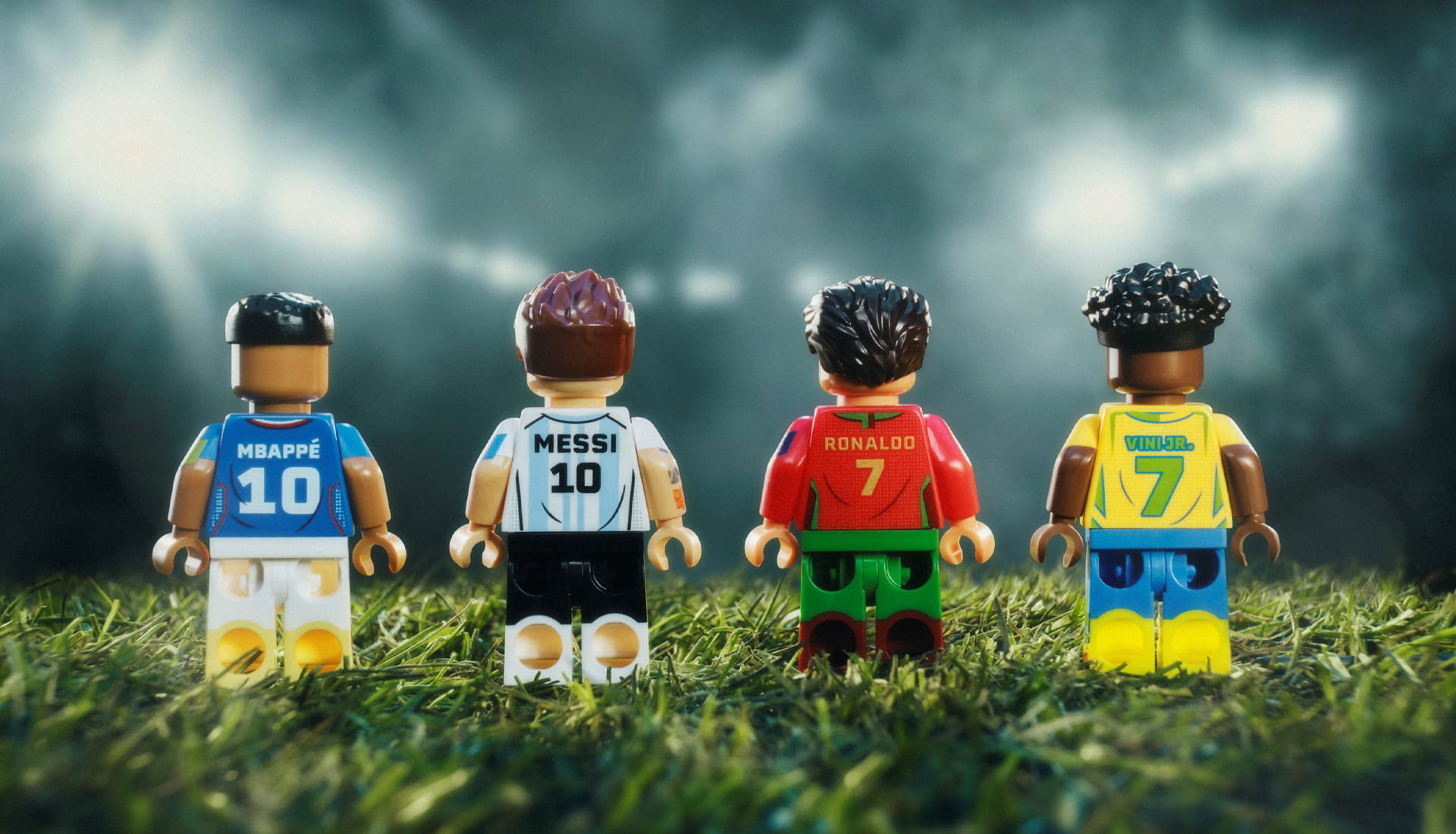
Four globally recognized players headline the collection:
- Lionel Messi
- Cristiano Ronaldo
- Kylian Mbappé
- Vinícius Júnior
Each has been transformed into LEGO minifigures and larger buildable models, effectively “immortalising” their sporting legacy in a new medium.
This transition—from object-based memorabilia to player-centric storytelling—reflects a deeper understanding of modern fandom, where personal narratives often resonate more strongly than trophies themselves.
The LEGO Editions Collection: Structure and Design Philosophy
Football Highlights Sets
The entry-level sets focus on cinematic moments. Each player appears in a stylized action scene, mounted on a base shaped like the first letter of their name.



These builds incorporate:
- National team color schemes
- Jersey numbers
- Collectible display plaques
- A detailed minifigure representation
The design aims to capture a “snapshot” of each athlete’s identity—compressing years of career highlights into a single, symbolic build.
Football Legend Sets
Moving up in complexity, the “Football Legend” sets center on two of the sport’s most enduring figures: Messi and Ronaldo.
These sets feature:
- Over 850 pieces per model
- Multiple build configurations (e.g., signature poses)
- Enhanced display backdrops
- Custom printed plaques
For example, Ronaldo can be assembled performing his iconic “Siuuu” celebration or executing a bicycle kick, while Messi can appear in his skyward-pointing celebration or in a dynamic dribbling pose.
The dual-build concept introduces replay value, allowing builders to reinterpret each player’s defining moments.
The Celebration Set: A Collector’s Centerpiece
At the top tier sits the Lionel Messi “Celebration” set, a 1,427-piece display model designed as 3D wall art.
This set emphasizes:
- Visual storytelling through layered construction
- Symbolic elements tied to Messi’s career
- Hidden Easter eggs for dedicated fans
Its scale and detail indicate a clear shift toward adult collectors, not just younger audiences.
Release Timeline and Market Strategy
The rollout has been strategically aligned with the World Cup calendar:
- May 1, 2026 – Majority of sets released
- June 1, 2026 – Premium Messi “Celebration” set launch
In total, at least nine sets are planned, including:
- Player-focused builds
- Official emblem sets
- National team-themed designs
Pre-orders are already open, reflecting strong demand ahead of the tournament.
Pricing spans multiple tiers, ensuring accessibility while also catering to high-end collectors. This dual strategy broadens the product’s reach across age groups and income levels.
Bridging Sport and Creative Culture
The LEGO World Cup initiative is not just a merchandising effort—it is positioned as part of a broader cultural movement.
As stated by LEGO’s leadership, the goal is to “bring the thrill of football to life” while encouraging creativity and storytelling.
This reflects several key trends:
1. Gamification of Fandom
Fans are no longer passive viewers. Building a player or recreating a moment becomes an interactive extension of watching the game.
2. Cross-Generational Appeal
Children engage through play, while adults connect through nostalgia and collectible design.
3. Narrative Ownership
By assembling these sets, fans actively participate in telling football stories—choosing poses, displays, and interpretations.
Why These Players Matter
The selection of Messi, Ronaldo, Mbappé, and Vinícius Júnior is deliberate.
- Messi and Ronaldo represent the culmination of a historic era in football
- Mbappé symbolizes the present and near future of the sport
- Vinícius Júnior reflects the next generation of global stars
This mix ensures relevance across demographics, from long-time followers to younger fans discovering the game.
Commercial and Cultural Implications
From a business perspective, the LEGO World Cup concept demonstrates how global events can be leveraged beyond traditional sponsorships.
Instead of advertising around the tournament, LEGO embeds itself directly into the fan experience.
From a cultural standpoint, the collaboration reinforces football’s position as a universal language—one that can be expressed through sport, art, and now, construction.
What Comes Next?
The success of this initiative may shape future collaborations between sports organizations and creative brands.
Possible developments include:
- Expansion to full team rosters
- Stadium-scale LEGO builds tied to host cities
- Integration with digital or augmented reality experiences
Given the scale of the 2026 tournament, this could mark the beginning of a long-term partnership between LEGO and global football events.
Conclusion: A Different Kind of World Cup Legacy
The LEGO World Cup is not about replacing the traditional tournament experience. It complements it—offering a tactile, creative layer that extends beyond the 90-minute match.
By transforming elite athletes into buildable icons, LEGO has redefined how fans engage with football’s biggest stage. It turns fleeting moments into permanent, customizable artifacts.
In doing so, it captures something fundamental about modern fandom: the desire not just to watch history, but to build it.