




Laurel Caverns State Park: Inside Pennsylvania’s First Underground Park
A New Kind of State Park Emerges
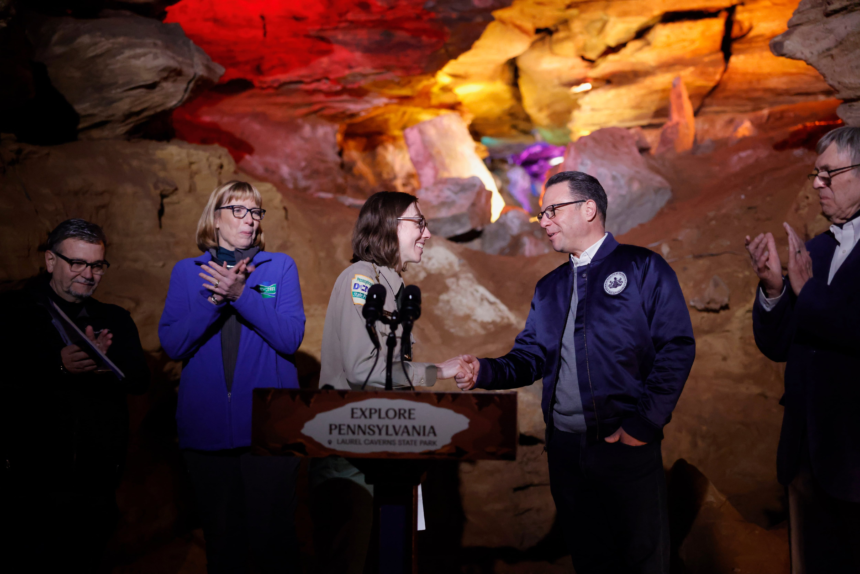
On April 6, 2026, Josh Shapiro walked through winding sandstone corridors deep beneath the surface of southern Pennsylvania before stepping into a cavern illuminated by soft, colorful lights. His reaction—“That was incredible”—captured the moment as the state officially unveiled Laurel Caverns State Park as its newest and most unconventional public park.
- A New Kind of State Park Emerges
- What Makes Laurel Caverns Different
- From Private Ownership to Public Legacy
- The Public Experience: What Visitors Can Expect
- Economic and Regional Impact
- Conservation Meets Public Access
- A Cultural and Experiential Shift in Outdoor Recreation
- Looking Ahead: Future Development and Possibilities
- Conclusion: A Landmark Addition to Pennsylvania’s Park System
Located in Fayette County within the Laurel Highlands, this 435-acre site has been designated Pennsylvania’s 125th state park. It is also the first subterranean state park in the Commonwealth—a distinction that sets it apart not only locally, but nationally.
“This is one of one,” Shapiro said, emphasizing the rarity of a park centered not on open landscapes, but on a vast underground world.
What Makes Laurel Caverns Different
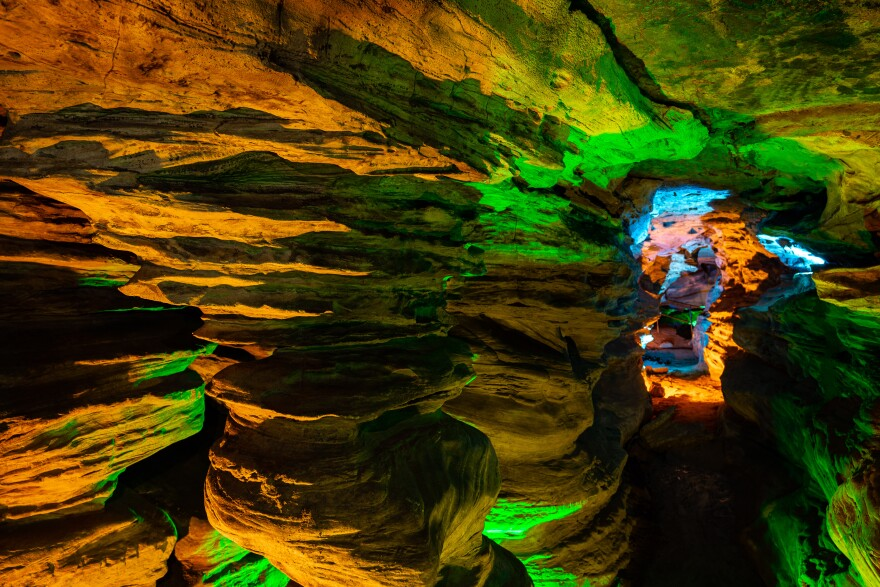
Unlike traditional parks defined by trails, forests, or lakes, Laurel Caverns is built around an extensive underground system. The cave network stretches for approximately four miles and descends to depths of up to 476 feet, making it both the largest and deepest cave system in Pennsylvania.
The geological structure is primarily sandstone, carved over centuries by natural spring water flowing down the slope of Chestnut Ridge. This creates a descending cave system that follows the mountain’s natural gradient—an unusual formation compared to horizontal cave systems found elsewhere.

The caverns are also ecologically significant. They host the largest bat shelter in the northeastern United States, which directly influences park operations. Each year, the cave closes from October through mid-April to protect bat hibernation cycles, reinforcing the park’s conservation-first approach.
From Private Ownership to Public Legacy
The transformation of Laurel Caverns into a state park is rooted in a long history of stewardship by the Cale family.
David Cale and his wife, Lillian, owned and operated the property for nearly four decades. Their connection to the site stretches even further back—David Cale’s grandfather once owned the property, and public tours began as early as 1964.
In 1986, the Cales formally acquired the caverns and later established the Laurel Caverns Conservancy to manage operations and public access. Under their care, the site consistently attracted around 50,000 visitors annually.



Their decision to donate the property to the state was driven by long-term preservation goals.
“We want to preserve the property for future generations,” Cale said. “Part of our philosophy is that it really belongs to everybody.”
The donation finalized in 2025 transferred ownership to the Pennsylvania Department of Conservation and Natural Resources (DCNR), while maintaining a public-private partnership. The conservancy will continue to manage cave tours, allowing the state to focus on expanding and improving above-ground amenities.
The Public Experience: What Visitors Can Expect
The park officially opens to the public on April 22—Earth Day—marking the beginning of a new chapter in Pennsylvania’s outdoor recreation landscape.
Visitors will encounter two distinct environments:
Above Ground: Open and Accessible
The surface-level park will remain free to the public, consistent with all Pennsylvania state parks. Activities include:
- Hiking trails across 426+ acres
- Birdwatching and nature observation
- Picnic areas and scenic viewpoints
The DCNR has also outlined plans for upgrades, including improved accessibility, electrical systems, parking areas, and structural enhancements to the visitor center.
Below Ground: Guided Exploration
Access to the caverns themselves requires participation in structured tours managed by the Laurel Caverns Conservancy.
These tours serve a specific purpose: they ensure visitor safety while preserving delicate geological formations and wildlife habitats.
Options include:
- Traditional guided tours (approx. $18 for adults)
- Self-paced, staff-monitored tours (approx. $20 for adults)
- Discounted rates for seniors and younger visitors
The cave environment offers a tactile and immersive experience. As DCNR Secretary Cindy Adams Dunn noted, visitors can “touch it, feel it and see it”—a level of interaction rarely possible in protected natural spaces.
Economic and Regional Impact
Beyond its natural appeal, Laurel Caverns State Park is expected to play a meaningful role in regional economic development.
Fayette County officials and tourism leaders see the designation as a catalyst for increased visitation. Already drawing approximately 50,000 visitors annually under private management, the park is projected to attract even more under state recognition.
Vince Vicites highlighted the potential ripple effects:
“More visitors mean more support for our local businesses, restaurants, and workforce.”
Similarly, Muriel Nuttall described the park as “truly one of a kind,” reinforcing its role in strengthening the region’s tourism identity.
This aligns with broader trends in Pennsylvania’s outdoor recreation sector, which contributed $20.4 billion to the state’s economy in 2024 and supported approximately 177,000 jobs.
Conservation Meets Public Access
The designation of Laurel Caverns as a state park reflects a broader shift in how natural resources are managed—balancing accessibility with long-term environmental stewardship.
Key conservation measures include:
- Seasonal closures to protect bat populations
- Controlled access through guided tours
- Ongoing geological preservation efforts
- Infrastructure upgrades designed to minimize ecological impact
Park Superintendent Corie Eckman underscored this balance, calling the site “one of Pennsylvania’s unique natural treasures” and emphasizing its educational and experiential value.
The park also introduces a new model within the state system: a hybrid management structure combining public ownership with private operational expertise.
A Cultural and Experiential Shift in Outdoor Recreation
Laurel Caverns challenges conventional ideas of what a park should be. Instead of open skies and expansive landscapes, it offers an inward journey—into geology, history, and the unseen ecosystems beneath the surface.
Governor Shapiro framed it in broader human terms:
“With a property like this one, you can find our common humanity… that brings people together.”
This perspective reflects a growing interest in experiential tourism—where visitors seek immersive, memorable encounters rather than passive observation.
By offering a space that is both educational and physically engaging, Laurel Caverns positions itself at the intersection of conservation, recreation, and cultural storytelling.
Looking Ahead: Future Development and Possibilities
While the park is now open, its long-term development is still evolving.
The DCNR is currently working on a master plan that may include:
- Expanded visitor facilities
- Enhanced accessibility features
- Potential overnight accommodations (under consideration)
- Additional recreational programming
As Dunn noted, it is “too early” to confirm certain additions, but the agency is actively evaluating public demand and environmental constraints.
This phased approach suggests that Laurel Caverns will continue to evolve—potentially becoming a flagship example of innovative park design in the United States.
Conclusion: A Landmark Addition to Pennsylvania’s Park System
The creation of Laurel Caverns State Park marks more than just the addition of another public space. It represents a shift in how natural environments are preserved, experienced, and integrated into public life.
By transforming a privately managed cave system into a protected, accessible, and carefully managed state park, Pennsylvania has introduced a new category of outdoor destination—one that exists beneath the surface, both literally and conceptually.
As visitors begin to explore its depths starting April 22, Laurel Caverns stands as both a geological wonder and a model for future conservation efforts.