



KuGompo Erupts: Inside the Protests, Tensions, and Deeper Fault Lines
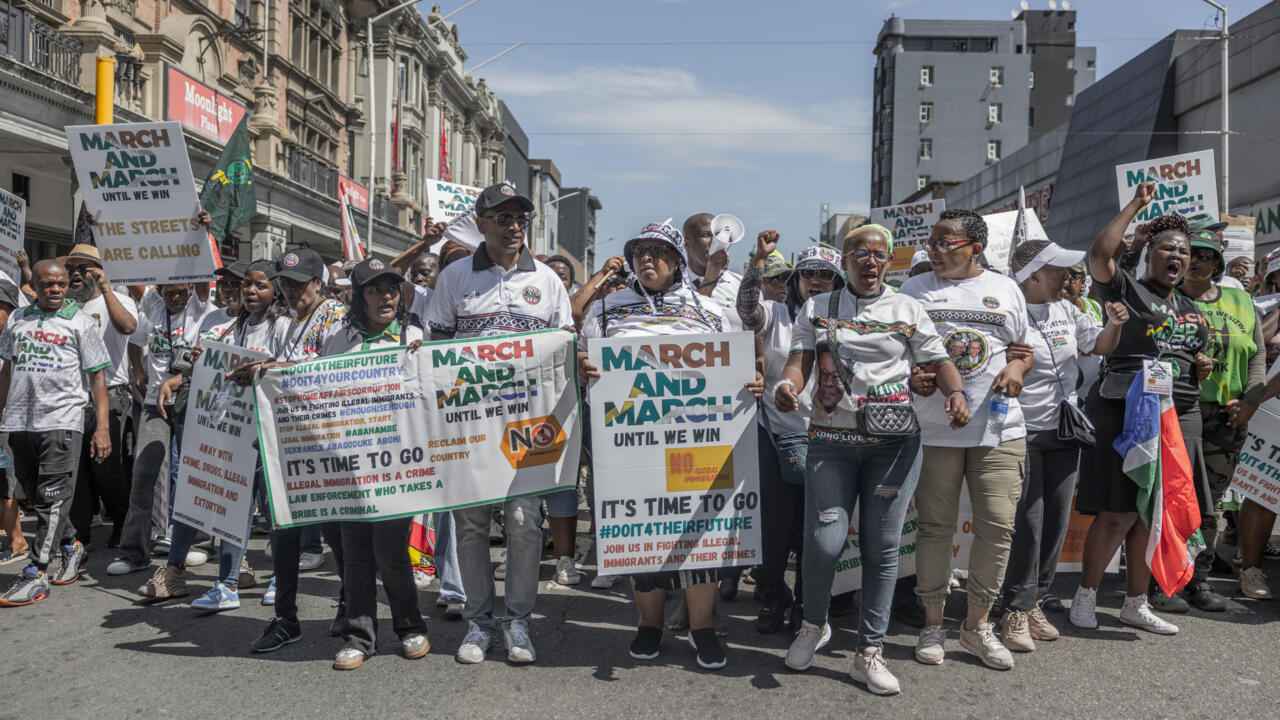
What began as a protest in KuGompo—formerly known as East London—quickly escalated into one of the most volatile public unrest incidents in recent months. On Monday, 30 March 2026, thousands of demonstrators took to the streets, initially intending to deliver a memorandum of demands to municipal authorities. Within hours, the situation spiraled into chaos: vehicles were torched, businesses looted, and tensions between local residents and foreign nationals erupted into open confrontation.
At the center of the unrest lies a controversial and emotionally charged issue—the alleged coronation of a Nigerian “Igbo king” within South African territory. What might have been dismissed as a cultural misunderstanding instead ignited broader anxieties around sovereignty, identity, and social cohesion.
From Peaceful March to Violent Unrest
The Turning Point
According to police spokesperson Brigadier Nobuntu Gantana, the protest began peacefully. Organized groups, including Operation Dudula and the March and March movement led by Jacinta Ngobese-Zuma, mobilized supporters from across regions, with some traveling from as far as KwaZulu-Natal.
However, the tone shifted dramatically after the memorandum was handed over at City Hall.
“Violence broke out when some participants moved away from City Hall,” said Gantana.
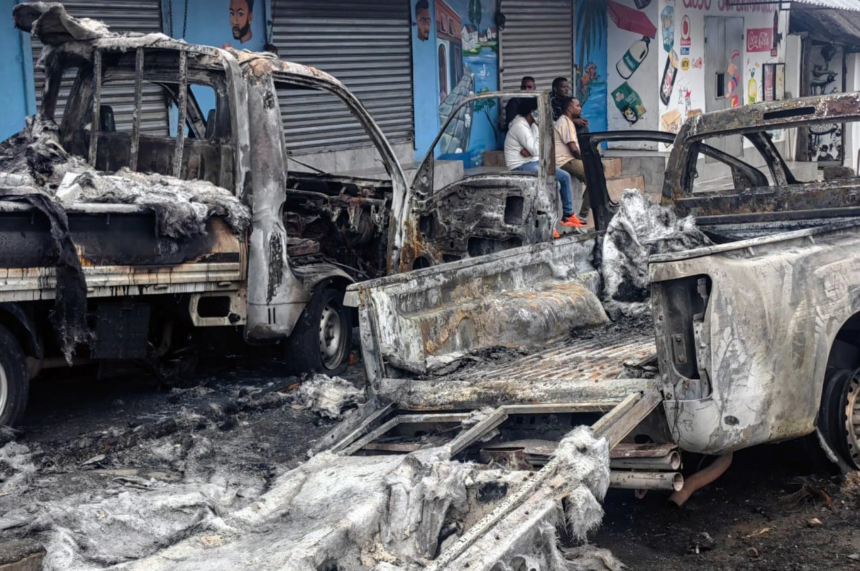
Police deployed stun grenades in an attempt to restore order, but by then, the situation had deteriorated. Streets were blocked, businesses targeted, and fires lit across key areas of the city.
The Trigger: A Contested Coronation
The “Igbo King” Controversy
At the heart of the unrest is a viral video and images circulating online, showing the alleged crowning of Chief Solomon Ogbonna Eziko as the “Igwe Ndigbo” of KuGompo.
For many local leaders, this was not a cultural expression but a direct challenge to established authority structures.
Prince Xhanti Sigcawu, representing traditional leadership within the AmaRharhabe kingdom, described the act as a:
“flagrant violation” of local authority.
The reaction was immediate and forceful. Calls were made for deportation of those involved, with arguments that foreign nationals cannot establish parallel monarchies within South Africa.
Political and Social Reactions
A Question of Sovereignty
The controversy quickly drew political figures into the debate. ActionSA leader Athol Trollip joined the march, reinforcing concerns about national sovereignty and immigration.
“This is a sovereign nation, protected by a Constitution… There is no provision for a foreign national to be coronated as a king here.”
The framing of the issue shifted beyond a single event to a broader national conversation about identity, governance, and historical sensitivities—particularly the fear of creating parallel “homelands,” echoing apartheid-era divisions.
Violence on the Ground
Businesses Targeted, Communities Shaken
Foreign nationals bore the brunt of the unrest. Shops were looted, vehicles damaged, and individuals assaulted.
Somali businessman Adam Hassan described the sequence of events:
“They looted two butcheries, set alight cars and damaged many more… It’s not only foreign nationals whose cars were damaged — there are locals as well.”
Another trader, Gech Dachasa, emphasized the speed and intensity of the violence:
“Within seconds, they started burning cars. The police arrived quickly, and the protesters ran away.”
The testimonies reveal a pattern often seen in such unrest—initially organized protest devolving into opportunistic looting and widespread disorder.
Government Moves to Contain the Crisis
Calls for Calm and Coordination
Authorities responded swiftly, though the scale of the unrest presented immediate challenges. By Monday afternoon, no arrests had been reported, and emergency services remained on-site managing an “active scene.”
Eastern Cape Premier Lubabalo Oscar Mabuyane called for calm, stressing that grievances cannot justify violence:
“No grievance justifies the destruction of property, intimidation of individuals, or the undermining of the rule of law.”
At the national level, a coordinated response was initiated. Deputy Minister of Traditional Affairs Prince Zolile Burns-Ncamashe confirmed that a high-level meeting involving the Presidency, police, Home Affairs, and international relations officials was scheduled for 8 April.
Diplomatic Engagement
The Nigerian government has also entered the conversation. According to officials, the Nigerian high commissioner expressed an apology and clarified that the event was cultural in nature—not an assertion of sovereignty.
This distinction is critical, as it attempts to de-escalate tensions while preserving diplomatic relations.
Beyond the Incident: Deeper Fault Lines
Migration, Identity, and Economic Pressure
The KuGompo unrest is not an isolated event. It reflects deeper structural tensions:
- Economic competition between local and migrant communities
- Perceptions of authority and cultural space
- Frustration with immigration enforcement and policy gaps
- Historical sensitivities around land, governance, and sovereignty
Statements from Buffalo City Metropolitan Municipality officials highlighted concerns about “inflammatory” rhetoric that threatens social cohesion.
What Happens Next?
A Fragile Path Forward
The immediate priority remains stabilization. Authorities have urged residents to avoid affected areas while law enforcement continues monitoring the situation.
The upcoming 8 April meeting could prove pivotal. It is expected to:
- Address diplomatic concerns with Nigeria
- Clarify legal frameworks around cultural practices
- Reinforce the authority of local traditional leadership
- Develop strategies to prevent future unrest
At the community level, leaders and civil society groups have been called upon to promote dialogue and de-escalation.
Conclusion: A Moment of Reckoning
The events in KuGompo illustrate how quickly localized disputes can escalate into broader societal crises. What began as a protest over a controversial coronation evolved into a flashpoint for deeper issues—migration, identity, and governance.
The challenge now is not only to restore order but to address the underlying tensions that made such an eruption possible. Without meaningful engagement and policy clarity, similar incidents may continue to surface.
For KuGompo—and South Africa more broadly—this moment serves as a test of resilience, leadership, and the capacity to reconcile diversity with unity.