


The KitKat Truck Heist: How a Chocolate Theft Became a Global Talking Point
A High-Speed Mystery on Europe’s Highways
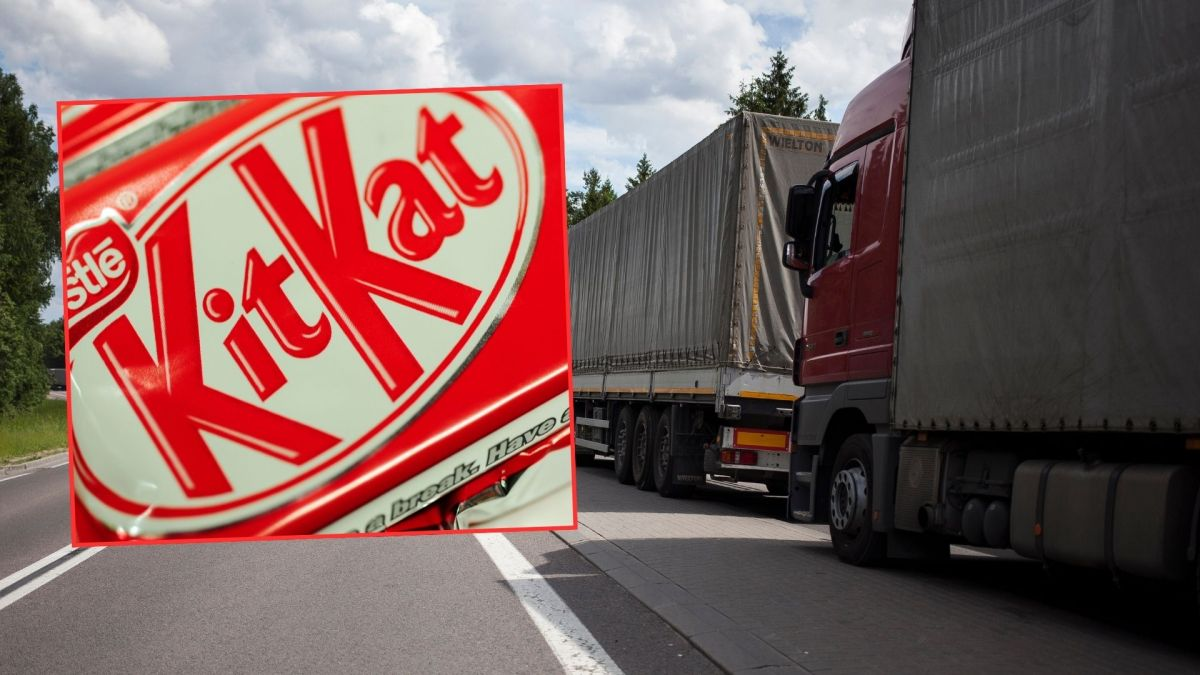
In late March 2026, a routine delivery turned into one of the most unusual supply chain incidents in recent memory. A truck carrying a massive shipment of KitKat bars—over 12 tons in total—vanished somewhere between central Italy and Poland. What might have been dismissed as a standard cargo theft quickly escalated into a story that blended crime, marketing, and global attention.
- A High-Speed Mystery on Europe’s Highways
- What Happened to the KitKat Truck?
- The Scale of the Heist
- Why Target Chocolate?
- Timing: A Critical Factor Before Easter
- From Crisis to Opportunity: A PR Win
- The Bigger Picture: Rising Cargo Theft in Europe
- Where Could the KitKats Be Now?
- A Rare Blend of Crime and Culture
- What Comes Next?
- Conclusion: More Than Just a Stolen Truck
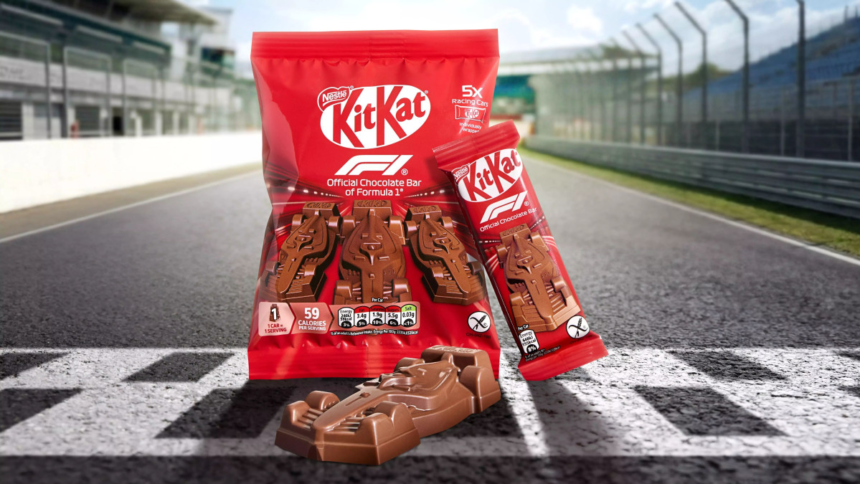
The shipment was no ordinary load. It contained approximately 413,793 KitKat bars, many of them part of a new Formula One-themed product line tied to a major brand partnership. The truck never reached its destination, and both the vehicle and its cargo remain unaccounted for.
Yet, despite the scale of the loss, the incident has produced an unexpected outcome: a reputational boost for Nestlé and its flagship chocolate brand.
What Happened to the KitKat Truck?
A Carefully Planned Interception
Details emerging from the investigation suggest that the theft was not random. According to reports, the truck departed from a distribution hub in central Italy and was en route to Poland when it was intercepted. In some accounts, individuals posing as law enforcement allegedly stopped the vehicle, restrained the driver, and made off with the cargo.
The driver was later found unharmed, and authorities confirmed there were no injuries or safety risks to the public. The stolen goods themselves are also not considered dangerous.



However, the precision of the operation points toward organized criminal involvement rather than opportunistic theft. The shipment’s timing, route, and contents appear to have been known in advance.
The Scale of the Heist
To understand the magnitude:
- Total weight: ~12 tons of chocolate
- Units stolen: 413,793 KitKat bars
- Route: Central Italy → Poland
- Status: Truck and goods still missing
Each individual bar carries a unique batch code, allowing it to be traced if it re-enters legitimate supply channels. This significantly complicates resale through official retail systems.
However, authorities warn that the products could still surface through unofficial or black-market channels across Europe, where traceability is less enforceable.



Why Target Chocolate?
At first glance, stealing chocolate might seem unusual. In practice, food shipments are among the most frequently targeted cargo categories.
Key reasons include:
- Ease of resale: No specialized buyers required
- Low traceability in informal markets: Especially outside regulated retail
- High seasonal demand: Particularly before Easter
- Minimal technical barriers: Unlike electronics or industrial goods
In this case, the stolen products had an additional layer of value: they were limited-edition Formula One-themed KitKats, designed to coincide with the racing season and a major marketing campaign.
That combination—brand recognition, novelty, and timing—likely increased their attractiveness to thieves.
Timing: A Critical Factor Before Easter
The heist occurred just days before Easter, one of the busiest periods for chocolate sales globally. This timing raised immediate concerns about potential shortages on store shelves.
While Nestlé acknowledged the possibility of temporary supply disruptions, the company also clarified that overall supply would not be significantly affected. The scale of global production mitigates the impact of a single lost shipment.
Still, the incident highlights how seasonal demand amplifies the consequences of supply chain disruptions.
From Crisis to Opportunity: A PR Win
Unexpectedly, the “KitKat truck” story has evolved into a public relations success.
Rather than triggering panic or reputational damage, the incident has generated widespread media coverage and public interest. Nestlé’s response—calm, transparent, and lightly humorous—helped shape the narrative.
One spokesperson even referenced the brand’s iconic slogan:
“We’ve always encouraged people to have a break with KitKat—but it seems thieves have taken the message too literally.”
This tone reframed the event from a loss into a memorable brand moment, reinforcing KitKat’s identity while keeping consumer confidence intact.
The Bigger Picture: Rising Cargo Theft in Europe
Beyond the headlines, the heist reflects a broader trend. Cargo theft and freight fraud are increasing across Europe, with criminals becoming more organized and sophisticated.
Industry analyses point to:
- Improved targeting of high-demand goods
- Use of impersonation tactics (e.g., fake authorities)
- Exploitation of supply chain transparency gaps
As logistics networks grow more complex and interconnected, information becomes as valuable as the cargo itself. In this case, knowledge of the shipment’s timing and contents may have been the critical factor enabling the theft.
Where Could the KitKats Be Now?
The fate of the stolen shipment remains uncertain.
Possible scenarios include:
- Rapid distribution across informal markets
- Breakdown into smaller loads to avoid detection
- Storage for later resale at higher value due to scarcity
Given the unique design of the Formula One-themed bars, they are highly recognizable. This creates a paradox: they are valuable but also harder to sell openly.
Some analysts suggest that by now, the shipment may already have been fragmented and dispersed across multiple regions.
A Rare Blend of Crime and Culture
What sets the “KitKat truck” story apart is its intersection of multiple domains:
- Crime: A large-scale, coordinated cargo theft
- Business: Supply chain disruption and financial loss
- Marketing: Amplified brand visibility
- Culture: Public fascination with unusual heists
Unlike high-value art or jewelry thefts, this incident involves an everyday consumer product—making it more relatable and widely discussed.
What Comes Next?
Investigations are ongoing, with authorities working alongside logistics partners to track the missing goods and identify those responsible.
Key developments to watch include:
- Whether any of the stolen products surface in identifiable markets
- Updates from law enforcement regarding suspects or networks
- Potential adjustments to Nestlé’s logistics and security protocols
Meanwhile, the story continues to circulate globally, reinforcing how unexpected events can reshape brand narratives in real time.
Conclusion: More Than Just a Stolen Truck
The “KitKat truck” heist is more than a case of missing chocolate. It illustrates how modern supply chains, branding strategies, and media ecosystems intersect in unpredictable ways.
What began as a logistical loss—12 tons of chocolate gone—has evolved into a widely discussed event that strengthened brand awareness rather than weakening it.
In a market where attention is often harder to secure than sales, the incident demonstrates a counterintuitive reality: sometimes, even a theft can turn into a strategic advantage.