




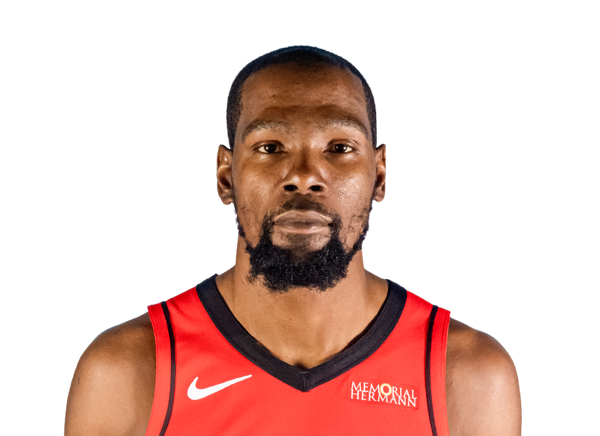
Kevin Durant Net Worth: Inside the $300 Million Empire
The Business of Greatness: How Kevin Durant Built a Financial Powerhouse
When discussing the modern NBA’s most dominant figures, Kevin Durant is typically evaluated through championships, scoring titles, and MVP accolades. But beyond his on-court legacy lies an equally compelling narrative—one defined by financial intelligence, strategic investments, and sustained earning power.
- The Business of Greatness: How Kevin Durant Built a Financial Powerhouse
- From Washington, D.C. to Financial Elite
- Salary as the Core Engine of Wealth
- Endorsements: The Multiplier Effect
- Investments and Business Strategy: The 35 Ventures Model
- Real Estate and Lifestyle Assets
- Philanthropy and Social Impact
- Why Kevin Durant’s Net Worth Matters
- Future Outlook: Could Durant Become a Billionaire?
- Conclusion
Today, Durant’s net worth stands at approximately $300 million, a figure built through nearly two decades of elite basketball performance, lucrative endorsements, and a carefully curated portfolio of business ventures.
This is not simply a story about a highly paid athlete. It is a case study in how modern sports stars transform peak performance into long-term wealth.

From Washington, D.C. to Financial Elite
Durant’s financial journey cannot be separated from his personal background. Born on September 29, 1988, in Washington, D.C., he was raised primarily by his mother and grandmother after his father left during infancy.
His early life was defined by modest means but strong support systems. Basketball quickly became both an outlet and a pathway. By his teenage years, Durant was already competing at a high level through Amateur Athletic Union circuits alongside future NBA players.



That foundation translated into a standout college season at the University of Texas, where he averaged 25.8 points and 11.1 rebounds per game, establishing himself as a generational prospect before entering the 2007 NBA Draft.
Salary as the Core Engine of Wealth
Durant’s net worth is anchored primarily in his NBA earnings—arguably the most significant pillar of his financial portfolio.
Over his career, he has accumulated hundreds of millions of dollars in salary, eventually surpassing all other players in total career earnings.
Key Financial Milestones:
- Rookie contract: $19.5 million
- Oklahoma City extension: ~$86 million
- Golden State contracts: ~$81.5 million
- Brooklyn Nets deal: $164 million
- Phoenix extension: $198 million
- Houston Rockets contract and extension: $90 million (2-year deal)
For the 2025–26 season, Durant is earning:



- Base salary: $53.28 million
- Cap hit: approximately $54.7 million
His projected career earnings are expected to reach nearly $598.2 million by 2028, cementing his position as one of the highest-paid athletes in sports history.
This level of sustained income reflects not just talent, but durability, adaptability, and consistent elite performance across multiple franchises.
Endorsements: The Multiplier Effect
If salary built Durant’s financial base, endorsements significantly accelerated his wealth accumulation.
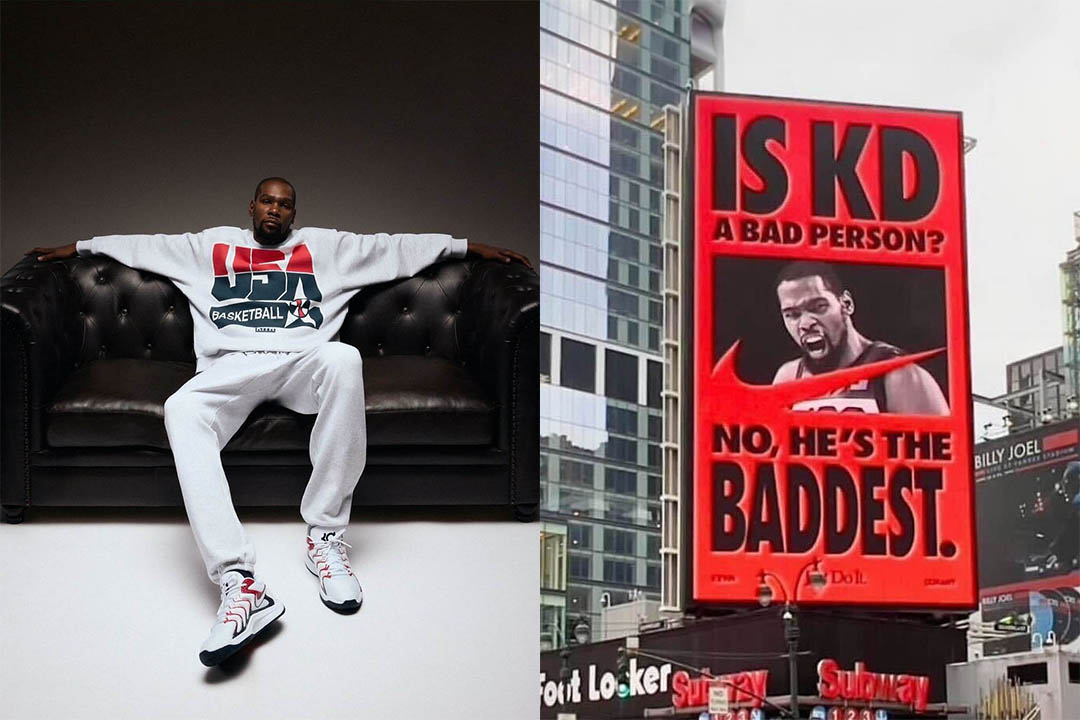
One of the most notable elements of his off-court earnings is his long-standing relationship with Nike.
- Annual Nike earnings (historically): ~$26 million
- Lifetime Nike contract signed in 2023
- Combined salary + endorsements once exceeded $68 million annually
Durant is now part of an exclusive group of athletes—including Michael Jordan and LeBron James—to secure a lifetime deal with Nike.
Beyond Nike, he has partnerships with:
- FanDuel
- Fanatics
- 2K Sports
These deals generate tens of millions annually, with estimates placing his off-court earnings at around $50 million per year.
Investments and Business Strategy: The 35 Ventures Model
Durant’s financial profile becomes particularly interesting when examining his investment strategy.
Through his company 35 Ventures, co-founded with Rich Kleiman, Durant has built a diversified portfolio spanning:
- Technology startups
- Media production
- Sports ownership stakes
- Venture capital investments
The firm has invested in more than 75 companies, positioning Durant not just as an athlete, but as a long-term capital allocator.
Notable Highlights:
- Early investment in Coinbase (reported significant returns)
- Ownership stakes in sports franchises (MLS and others)
- Media expansion via Boardroom and original productions
This approach reflects a broader trend among elite athletes: transitioning from endorsement-driven income to equity-based wealth creation.
Real Estate and Lifestyle Assets
Durant’s wealth is also reflected in his real estate portfolio and lifestyle decisions.
He has owned properties in:
- Oklahoma City (sold for ~$1.1 million)
- Oakland Hills (listed around $5.9 million)
- Malibu (sold for ~$12 million)
- New York (luxury apartment overlooking the High Line)
While his spending includes luxury elements—such as high-end rentals and travel—his financial profile suggests controlled consumption relative to income, with a stronger emphasis on reinvestment.
Philanthropy and Social Impact
Unlike many high-earning athletes, Durant has consistently directed resources toward philanthropy.
Key initiatives include:
- $1 million donation for tornado relief in Oklahoma
- The Kevin Durant Charity Foundation
- Programs focused on education and youth development
These contributions are not incidental—they are embedded within his broader financial identity, reinforcing a balance between wealth accumulation and social responsibility.
Why Kevin Durant’s Net Worth Matters
Durant’s $300 million net worth is not just a personal milestone—it reflects broader shifts in the economics of professional sports.
Key Takeaways:
- Athletes are now long-term investors, not just high earners
- Equity and ownership matter more than endorsements alone
- Financial literacy is becoming a competitive advantage
Durant exemplifies a hybrid model:
- Elite athlete
- Strategic investor
- Media entrepreneur
Future Outlook: Could Durant Become a Billionaire?
Given his current trajectory, Durant’s financial growth is far from complete.
Several factors suggest continued expansion:
- Ongoing NBA earnings into his late 30s
- Scaling of 35 Ventures’ investment portfolio
- Media and ownership opportunities
- Long-term value of his Nike lifetime contract
If his investments continue to perform at scale, Durant could realistically approach billionaire status in the coming decade.
Conclusion
Kevin Durant’s net worth of $300 million is the result of more than basketball excellence—it is the outcome of deliberate financial strategy, disciplined career management, and forward-looking investments.
He represents a new archetype in professional sports: an athlete who converts peak performance into enduring economic influence.
As his playing career continues, the more significant story may not be how much he earns on the court—but how effectively he multiplies it off it.