Kevin Carter Net Worth, Relationships, Age/Birthdate & Birthday
Overview of Kevin Carter — net worth, relationships, age/birthdate, and birthday.
 loveness92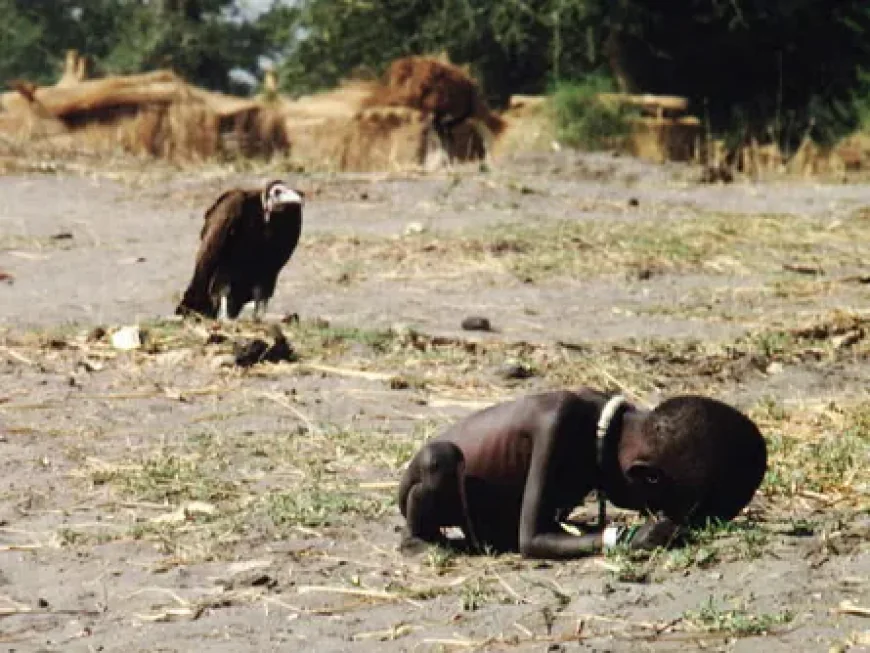
Kevin Carter — a brief, haunting life behind the lens
A childhood in Johannesburg — conscience awakened
Kevin Carter was born on September 13, 1960, in Johannesburg, South Africa. He grew up in a white, middle-class neighborhood during the height of apartheid. Although his parents were devout Roman Catholics of British descent, Carter was deeply troubled by the racial injustices he witnessed — police raids targeting black South Africans living “illegally” in white areas left a mark on young Carter’s conscience.
As a teenager, he initially enrolled in pharmacy school but dropped out. Soon afterward, he was conscripted into the South African Defense Force. There, in 1980, he defended a black mess-hall waiter being insulted — a courageous act that led to him being brutally beaten by fellow servicemen. Disillusioned with military life under apartheid, Carter briefly deserted, later working as a disc jockey under a pseudonym before returning to complete his service.
These early experiences — of witnessing segregation, defending the oppressed, and surviving trauma — shaped Carter’s moral compass and pushed him toward photography as a means of bearing witness.
From sports photos to frontline witness — a photographer transformed
In 1983, Carter left the military and took a job in a photographic supply store — a chance encounter that would change his life. He began as a weekend sports photographer for a Johannesburg newspaper. But the brutality of apartheid-era South Africa soon steered him toward conflict reporting. By 1984, Carter was working for the Johannesburg Star, documenting the stark realities of township life, police raids, protests, and state violence.
Carter’s commitment to capturing truth, no matter how grim, led him to become a founding member of the Bang-Bang Club — a group of four frontline photographers who earned a fearsome reputation for covering some of South Africa’s bloodiest township conflicts between 1990 and 1994.
He was among the first to expose to the world horrors like "necklacing" — a brutal form of public execution during apartheid. One such photograph he captured documented a victim being executed by necklacing, shocking the country and the world.
Through this transformation, Carter grew from documenting sports to becoming a frontline chronicler of human suffering — with camera in hand, witnessing history’s cruelest moments.
A single photograph that shook the world — triumph and torment
In March 1993, Carter accepted an assignment to document a famine in Sudan. There, at a UN feeding center in Ayod, he encountered a harrowing scene: a famine-stricken child collapsed on the ground, barely able to move. A vulture lurked nearby. Carter raised his camera and captured what would become one of the most haunting images in photojournalism.
Published on March 26, 1993 in The New York Times, the photograph — titled The Vulture and the Little Girl — quickly shocked the global conscience. The image’s emotional impact was immense. Some readers praised its unflinching honesty; others condemned Carter for not intervening to help the child.
The photograph earned Carter the most prestigious accolade in his field — the Pulitzer Prize for Feature Photography — awarded in 1994.
Yet with fame came a burden. Though internationally celebrated, the photograph weighed heavily on Carter’s conscience — amplifying questions about ethics, humanity, and the cost of witnessing suffering.
Haunted by what he saw — the tragic end
Just months after receiving the Pulitzer, Carter’s life took a tragic turn. On July 27, 1994, he died by suicide, driving his pickup truck into a secluded Johannesburg area, sealing the cabin and succumbing to carbon monoxide poisoning.
In a note left behind, Carter wrote of being haunted by the “killings and corpses and anger and pain,” of “starving or wounded children,” and of debts — emotional and financial — that he could no longer bear.
Friends and colleagues pointed to the pressures of chasing the next impactful image, the death of his close friend and fellow Bang-Bang Club member Ken Oosterbroek, and the emotional trauma of years spent documenting violence.
His death laid bare a grim truth: the mental toll borne by those who choose to document humanity’s darkest chapters.
On net worth and relationships — what’s real, what’s not
Because Carter died in 1994, decades before the digital-era celebrity-net-worth culture emerged, credible estimations of his “net worth” are largely nonexistent in authoritative sources. Major outlets that chronicle his life and work — including archives of the Pulitzer Prizes, historical retrospectives, and essays on his legacy — do not provide any verified financial valuation of his estate or wealth. For instance, the official Pulitzer website lists him simply as a “freelance photographer.”
One online page claims he had a net worth of “$20 million,” but that comes from a site of dubious reliability. That figure is not supported by mainstream journalism, academic histories, or reputable archival sources. As such, it should be treated with skepticism.
As for personal relationships, Carter reportedly left behind a daughter. Beyond that, there is little credible public record of his romantic life or long-term partnerships. Some retrospective accounts note a “long-standing relationship” had ended shortly before his death — though details remain sparse and unverified.
Because of the lack of authoritative evidence, any claims about significant net worth or elaborate personal life should be viewed as speculative or sensationalized — not historical fact.
Why Kevin Carter’s story still matters
The life of Kevin Carter stands as a testament to the power — and the peril — of bearing witness. Through the lens of his camera, he forced the world to confront grotesque injustices: apartheid violence, famine, and human suffering. His work helped shape global awareness; few images in modern history shook public conscience the way his did.
Yet his story is also a warning. The weight of trauma, the burden of observation without participation, and the pressure to produce ever-impactful images contributed to an unraveling that remains deeply instructive for journalists, photographers, and storytellers.
Today, as conflicts rage and crises fester worldwide, his legacy echoes in conversations about ethical journalism, mental health for war correspondents, and the cost of documenting truth.
On using images of Kevin Carter
Because Carter died in 1994 and his most iconic photographs often depict vulnerable subjects, many of his images — including “The Vulture and the Little Girl” — are not in the public domain and remain under copyright. When using or sharing his work, always verify image rights and respect licensing restrictions.