



Kerry Washington and the Power of Imperfection: A Cultural Deep Dive Into ‘Imperfect Women’
Introduction: A Star Who Refuses Simplicity
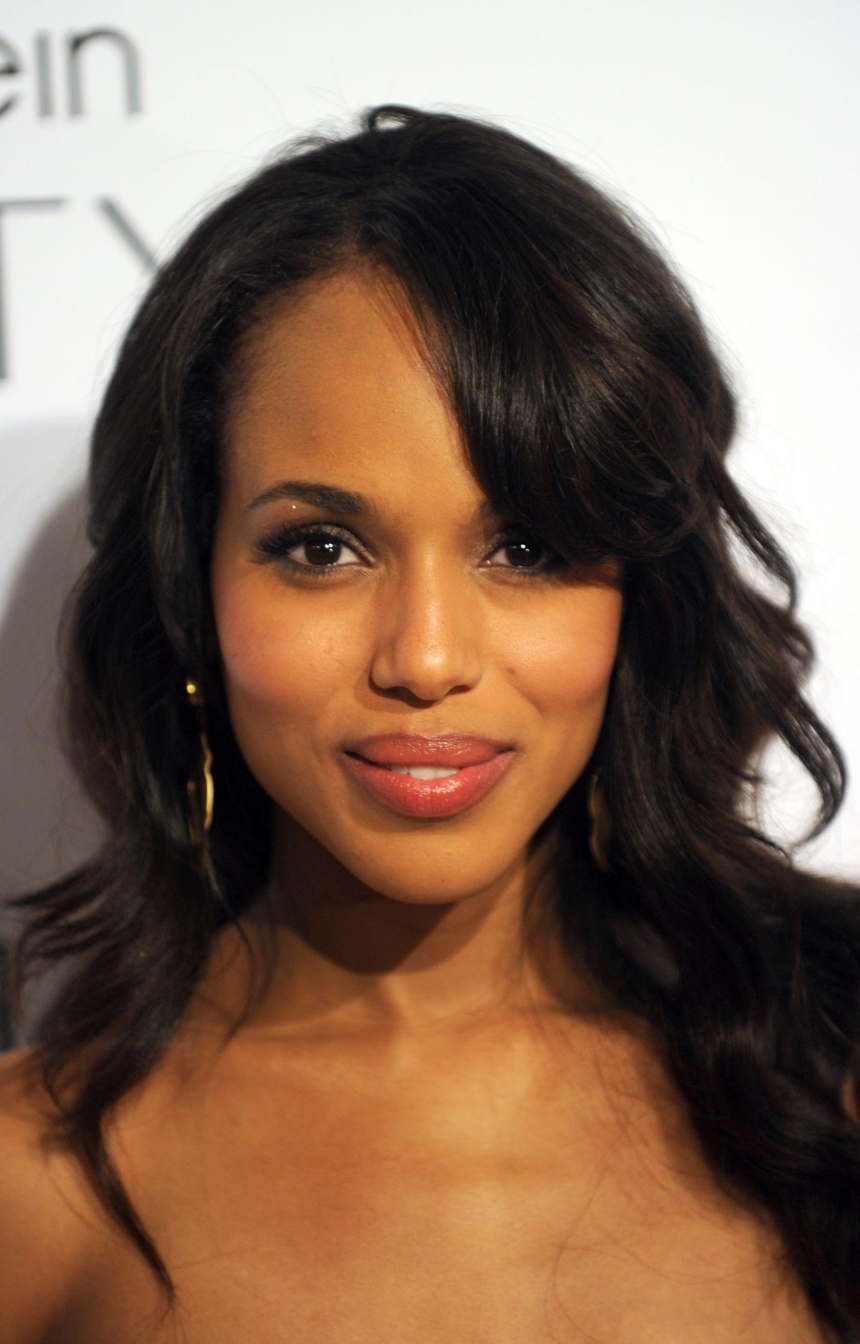
Few actors have built a career as deliberately layered as Kerry Washington. From political thrillers to intimate dramas, her work consistently explores characters who exist in moral gray zones rather than neat binaries. With the release of Imperfect Women on March 18, 2026, Washington leans even further into that complexity—embracing flawed, contradictory, and deeply human storytelling.
- Introduction: A Star Who Refuses Simplicity
- The Premise: When Friendship Meets Fracture
- From Novel to Screen: A Creative Journey
- A Creative Partnership Built on Mutual Respect
- Thematic Core: Messiness as Narrative Strength
- Moral Ambiguity and Audience Engagement
- Ensemble Power: A Cast Built for Complexity
- Critical Reception: Entertainment vs Expectation
- Cultural Implications: Redefining Female Narratives
- Industry Trends: Actor-Producers and Prestige Television
- Conclusion: Why ‘Imperfect Women’ Matters
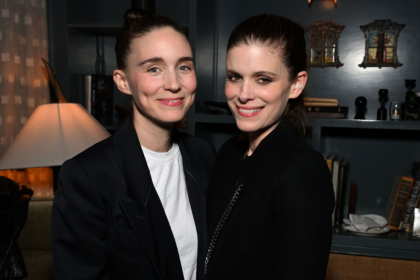
The Apple TV+ limited series, co-starring Elisabeth Moss and Kate Mara, is not just another ensemble drama. It is a study of friendship, betrayal, and the uncomfortable truths that emerge when relationships fracture under pressure.
Rather than offering a clean narrative resolution, the series invites audiences into emotional ambiguity—and that choice reflects a broader shift in contemporary television storytelling.
The Premise: When Friendship Meets Fracture
At its core, Imperfect Women examines the unraveling of a decades-long friendship after a crime disrupts the lives of three women. The narrative deliberately avoids focusing on a traditional “whodunit” structure. Instead, it pivots toward a more psychologically driven question: why did it happen?
This distinction is critical.
The story unfolds through emotional layers—love, loyalty, resentment, and secrets that have been buried for years. As these elements collide, the series constructs a narrative that is less about solving a mystery and more about understanding human behavior under strain.


The thematic parallels to Big Little Lies are clear:
-
Female friendships at the center
-
A crime acting as a catalyst
-
Interwoven personal and social tensions
Yet Imperfect Women distinguishes itself by pushing further into moral ambiguity, leaving viewers to wrestle with competing interpretations rather than guiding them toward a single truth.
From Novel to Screen: A Creative Journey
The project originated from a novel by Araminta Hall, discovered by Moss in 2019.
“I bought the book in 2019… just fell in love with it,” Moss explains.


Her attraction was not limited to the plot twists. Instead, it was the creative opportunity—to step outside her usual leading roles and build an ensemble-driven narrative—that motivated her involvement.
“Very early on, I decided to play Mary… I was interested in maybe doing a show where I wasn’t leading the thing the whole time.”
This decision shaped the casting strategy. Moss intentionally sought a co-lead capable of carrying emotional weight while expanding the narrative’s scope. That search led directly to Washington.
“‘I had wanted to work with [Kerry] for years and years and years… it was, ‘oh my God, is she available?’”
A Creative Partnership Built on Mutual Respect
Washington’s response reflects a similar level of intention.
“I got this outreach from Lizzy Moss, which was a dream come true,” she says. “I thought ‘I just hope the material is as good as I want it to be…because if she and I are gonna do something together, it has to be top notch.”
It was.
After reviewing the material, Washington joined not only as a lead actor but also as an executive producer. This dual role proved significant in shaping the production.
“We have very different processes as actors, but we are very similar producers,” she explains. “All hands on deck, really in the trenches… wanting to elevate the piece, wanting to make the most of every moment, every choice.”
This collaborative dynamic reflects a broader trend in modern television, where actors increasingly take on production responsibilities to influence storytelling quality and representation.
Thematic Core: Messiness as Narrative Strength
If there is a defining characteristic of Imperfect Women, it is its embrace of emotional disorder.
“So many moments,” Washington says when asked where the narrative’s messiness stands out.
Moss points to a key confrontation scene:
“To be able to dive into something really meaty… we could actually let go a little bit.”
This “letting go” is not accidental—it is structural. The series is designed to challenge conventional expectations of likability and moral clarity.
Instead of positioning characters as heroes or villains, it presents them as contradictory individuals capable of both loyalty and betrayal. This aligns with a growing audience appetite for psychologically complex storytelling.
Moral Ambiguity and Audience Engagement
One of the most distinctive features of the series is its refusal to provide definitive answers.
“One thing they’ll argue about is what does the very end mean,” Washington teases.
The ambiguity extends to ethical interpretation:
“Is it okay or isn’t it okay what she did?”
Moss expands the debate further:
“Which is the biggest betrayal? What is the biggest secret? The biggest lie?”
This design is intentional. By leaving key questions unresolved, the series shifts part of the narrative responsibility to the audience. Viewers are not just consumers—they become interpreters.
In practical terms, this drives:
-
Post-episode discussions
-
Social media debates
-
Sustained audience engagement beyond the screen
Ensemble Power: A Cast Built for Complexity
Beyond its central trio, the series features a broad supporting cast, including Leslie Odom Jr., Joel Kinnaman, Corey Stoll, and Sheryl Lee Ralph.
This ensemble structure reinforces the show’s thematic depth. Each character contributes to a network of relationships that expands the narrative beyond a single perspective.
The result is a layered storytelling model where:
-
Individual actions ripple across multiple storylines
-
Secondary characters complicate the central conflict
-
Emotional stakes are distributed rather than centralized
Critical Reception: Entertainment vs Expectation
Early reactions suggest a divided response.
One perspective frames the series as:
“an overwritten, far-fetched, glossy but derivative murder mystery”
Yet even critical voices acknowledge its entertainment value:
“a perfectly acceptable eight hours of entertainment”
This dual reception highlights a key tension in contemporary streaming content:
high expectations versus audience satisfaction.
With a cast of this caliber and an Apple TV+ platform, expectations are elevated. The series succeeds as engaging entertainment but invites scrutiny regarding originality and narrative execution.
Cultural Implications: Redefining Female Narratives
Beyond its plot, Imperfect Women contributes to a broader cultural shift in how female characters are portrayed.
Historically, women in mainstream television were often constrained to:
-
Moral archetypes (the virtuous or the villainous)
-
Supporting roles within male-driven narratives
This series disrupts that framework.
It presents women as:
-
Morally complex
-
Emotionally contradictory
-
Central to both narrative and thematic development
Washington’s performance—and her role behind the scenes—reinforces this shift toward multidimensional representation.
Industry Trends: Actor-Producers and Prestige Television
The series also reflects a structural evolution within the entertainment industry.
Key trends include:
-
Actors taking executive producer roles
-
Adaptations of literary works for streaming platforms
-
Ensemble-driven storytelling replacing single-protagonist formats
These shifts are driven by both creative ambition and platform competition. Streaming services increasingly rely on high-profile collaborations to attract and retain subscribers.
Conclusion: Why ‘Imperfect Women’ Matters
Imperfect Women is not a conventional mystery. It is a character study disguised as one.
Through its exploration of friendship, betrayal, and moral ambiguity, the series aligns with a broader movement toward more nuanced storytelling. Kerry Washington’s involvement—both on screen and behind the scenes—signals a continued commitment to narratives that resist simplification.
The result is a production that may divide critics but succeeds in provoking discussion, which, in contemporary media, is often the more valuable outcome.