


Keir Starmer and the Test of Leadership in a Fractured World
A Prime Minister at the Center of Global Tension
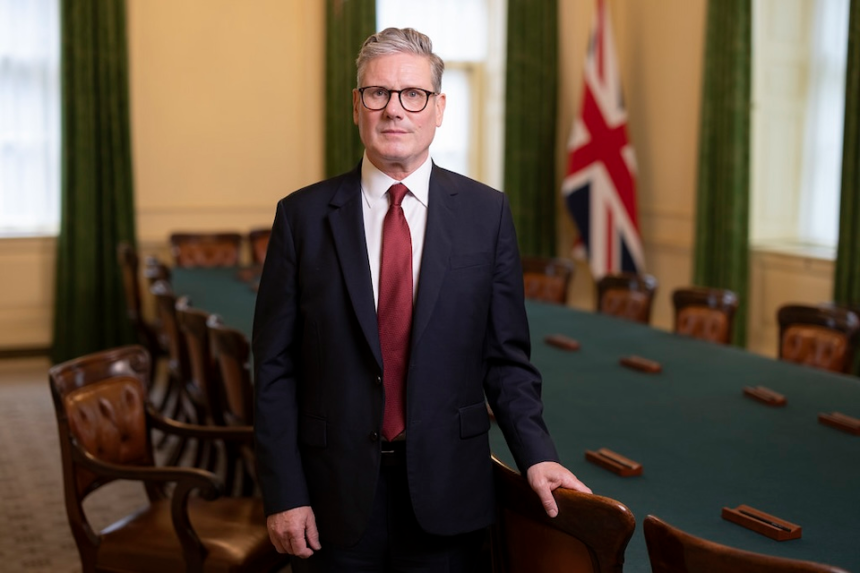
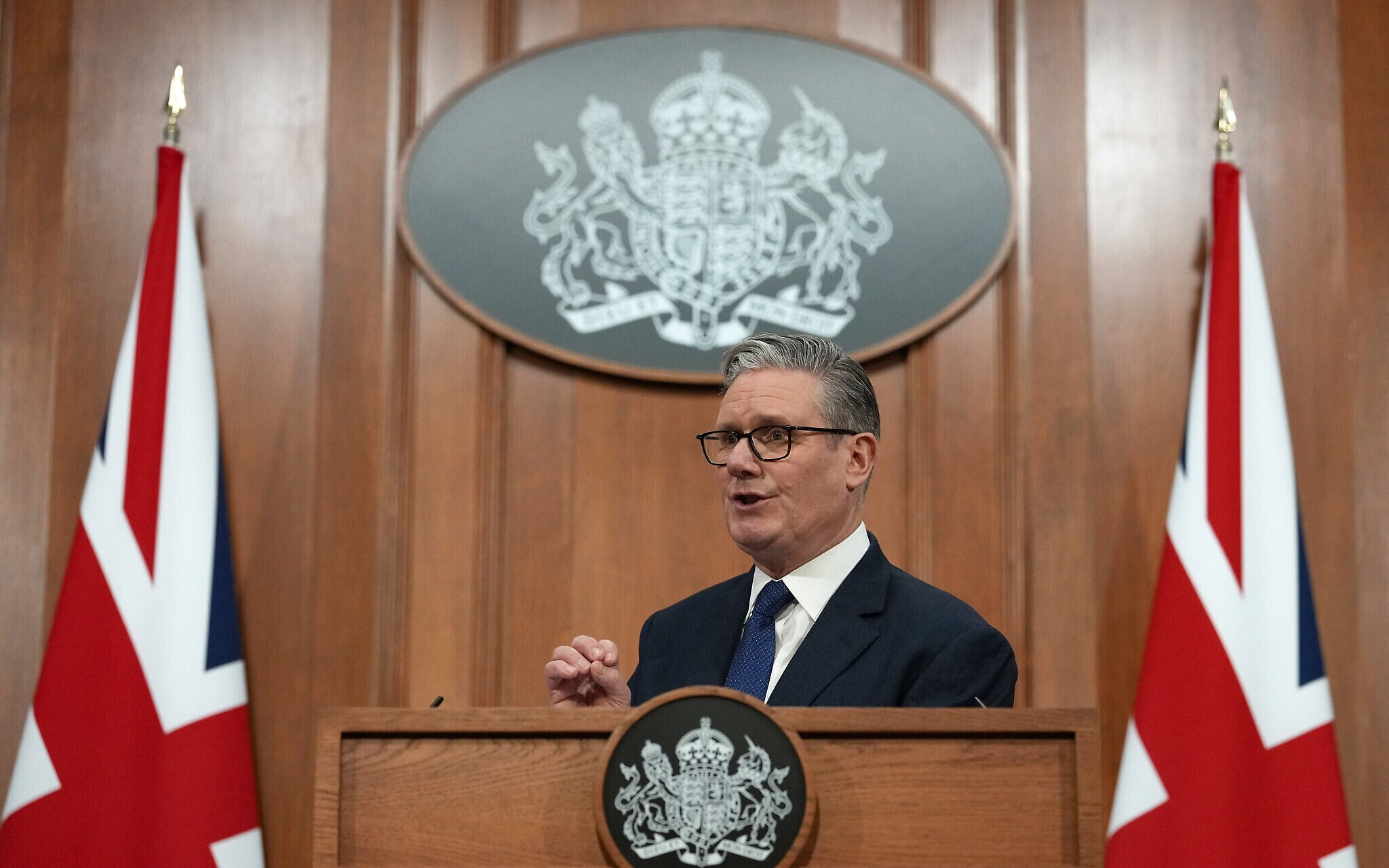
As geopolitical tensions escalate across the Middle East, Keir Starmer has found himself navigating one of the most complex foreign policy environments faced by a British leader in recent years. Speaking from Downing Street on April 1, 2026, Starmer delivered a message that blended caution, realism, and strategic positioning—signaling both restraint and international engagement at a critical moment.
- A Prime Minister at the Center of Global Tension
- Crisis Without Direct Involvement: Britain’s Strategic Position
- The Strait of Hormuz: A Global Economic Pressure Point
- Diplomacy Over Force: Building a Coalition Response
- Balancing Alliances: Between Washington and Europe
- Domestic Impact: Economic Realities and Public Messaging
- Leadership Under Pressure: A Defining Moment
- What Comes Next: Risks and Opportunities
- Conclusion: A Leadership Strategy Defined by Restraint and Influence
The backdrop to his address is a rapidly evolving conflict involving Iran, Israel, and the United States, with ripple effects reaching global energy markets, diplomatic alliances, and domestic economic stability. For Starmer, the challenge is not only managing Britain’s response but also redefining its place between traditional allies and emerging geopolitical realities.
Crisis Without Direct Involvement: Britain’s Strategic Position
One of the clearest positions articulated by Starmer is that the United Kingdom will not be drawn directly into the conflict. His reasoning is grounded in national interest rather than alliance pressure.



He emphasized that “this is not their war” and reaffirmed that Britain’s priority lies in diplomatic de-escalation rather than military escalation.
This stance places the UK in a delicate position. On one side is the United States, under Donald Trump, pushing aggressive military objectives. On the other is Europe, increasingly cautious and focused on stability.



Starmer’s refusal to align fully with either extreme underscores a broader strategic recalibration: maintaining autonomy while preserving critical alliances.
The Strait of Hormuz: A Global Economic Pressure Point
At the heart of the crisis lies the Strait of Hormuz—a narrow but vital shipping route responsible for a significant portion of global oil and gas transport.
Iran’s actions have effectively disrupted this corridor, leading to rising energy prices and widespread economic concern. Starmer’s response has been to prioritize reopening the strait through coordinated international action.
He announced that the UK will host a major summit involving dozens of countries to explore solutions. The objective is clear: restore freedom of navigation, secure shipping routes, and stabilize global supply chains.
The scale of the disruption is substantial. Around 1,000 ships have been stranded due to the blockade, and before the conflict, roughly one-fifth of the world’s oil and gas passed through this single route.
This is not merely a regional issue—it is a systemic risk to global trade and energy security.
Diplomacy Over Force: Building a Coalition Response
Starmer’s strategy emphasizes multilateral diplomacy. The planned summit, led by Foreign Secretary Yvette Cooper, aims to bring together international partners to coordinate a unified response.
The goals of this initiative include:
- Assessing diplomatic and political pathways to reopen the strait
- Ensuring the safety of ships and maritime workers
- Restoring the flow of essential commodities
This approach reflects a deliberate shift toward coalition-based problem-solving rather than unilateral action. It also signals the UK’s intent to act as a convening power—leveraging diplomacy to influence outcomes without direct military involvement.
Balancing Alliances: Between Washington and Europe
A defining feature of Starmer’s leadership during this crisis is his refusal to “choose” between the United States and Europe.
He stated that maintaining strong relationships with both is in Britain’s interest, while also acknowledging the growing importance of closer ties with European partners—particularly in areas such as defense, energy, and economic cooperation.
This balancing act is not purely diplomatic—it is strategic. With tensions rising between Washington and European allies, the UK is positioning itself as a bridge rather than a partisan actor.
However, this position comes with risks. Public criticism from Trump, including remarks questioning the UK’s military capabilities, has added strain to the transatlantic relationship. Yet Starmer has remained consistent, emphasizing national interest over external pressure.
Domestic Impact: Economic Realities and Public Messaging
While the conflict is geographically distant, its economic consequences are immediate for British households.
Starmer acknowledged that rising energy costs and broader economic pressures will affect daily life. His warning was direct: “this will not be easy.”
The government’s response includes:
- Monitoring fuel prices and supply disruptions
- Maintaining energy support measures such as capped bills
- Reviewing fuel duty policies amid volatility
At the same time, he has framed de-escalation as the most effective economic strategy. Reopening the Strait of Hormuz is not only a geopolitical goal—it is a domestic economic necessity.
Leadership Under Pressure: A Defining Moment
Starmer’s handling of the crisis reveals a leadership style rooted in pragmatism. He has resisted calls to escalate militarily, avoided polarizing alliances, and focused on long-term stability rather than short-term reactions.
His statement—“Whatever the pressure, whatever the noise, I am the British prime minister and I have to act in our national interests”—captures the tone of his approach.
This is leadership framed not by ideological alignment but by calculated restraint.
What Comes Next: Risks and Opportunities
The situation remains fluid. Several potential developments could shape the next phase:
- Successful reopening of the Strait of Hormuz, easing global markets
- Escalation of conflict, further destabilizing energy supplies
- Strengthening of UK-EU cooperation in defense and economic policy
- Continued strain in UK-US relations depending on policy divergence
Starmer’s strategy hinges on diplomacy delivering results. If the planned summit produces tangible outcomes, it could reinforce the UK’s role as a stabilizing force in global affairs.
If not, pressure may mount for a more assertive stance.
Conclusion: A Leadership Strategy Defined by Restraint and Influence
Keir Starmer’s response to the 2026 Middle East crisis reflects a broader evolution in British foreign policy. Rather than defaulting to military alignment or passive observation, his approach combines diplomatic leadership, economic awareness, and strategic independence.
In a period marked by uncertainty, his emphasis on “clear, calm leadership” is both a message and a method. Whether this approach proves effective will depend on outcomes beyond Britain’s direct control—but the framework he has established is already shaping the UK’s role on the global stage.