





Karin Thaler: A Career Defined by Consistency, Craft, and Television Legacy
Introduction: The Quiet Strength of a German Screen Icon
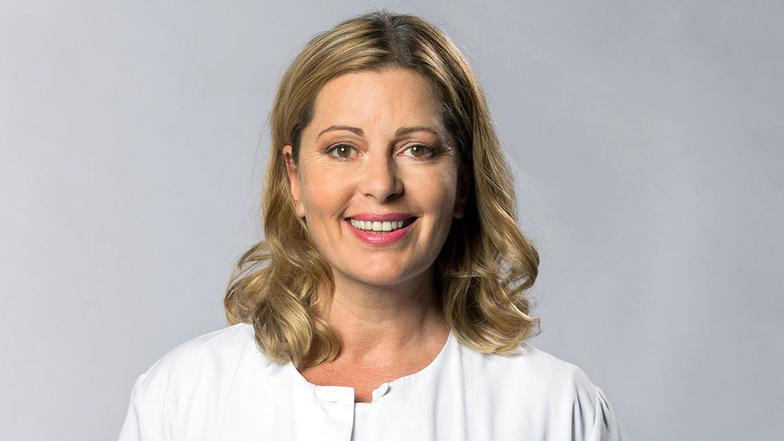
In the landscape of German television, few performers have demonstrated the kind of sustained relevance and versatility as Karin Thaler. With a career spanning nearly four decades, Thaler has built a reputation not through fleeting fame, but through disciplined work, recurring roles, and a deep connection with audiences across Germany.
- Introduction: The Quiet Strength of a German Screen Icon
- Early Life and Entry Into Acting
- Breakthrough Years: Establishing a Television Presence
- Career Peak: Long-Running Roles and National Recognition
- Film Contributions and Critical Reception
- Filmography Overview: Breadth and Longevity
- Awards and Recognition
- Personal Life: Stability Beyond the Screen
- Cultural Impact: The Value of Familiar Faces in Television
- Industry Perspective: Television as a Career Anchor
- Future Outlook: Continued Relevance in German Media
- Conclusion: A Career Built on Endurance and Craft
From her early beginnings in the 1980s to her long-standing presence in popular television series, Thaler’s trajectory offers a clear example of how consistency and adaptability can define a lasting acting career.
Early Life and Entry Into Acting
Born on June 12, 1965, in Deggendorf, Germany, Karin Thaler entered the entertainment industry at a relatively young age. Her television debut came in 1986 with Gunda’s Father, a role that marked the beginning of what would become a prolific career.



That same period also saw her transition into theatre, where she began performing in stage productions from 1987 onward. This dual exposure—television and theatre—provided her with a solid foundation in performance technique and character development.
Her early breakthrough came quickly. Her debut film appearance in The Nasty Girl (1990), directed by Michael Verhoeven, gained international attention and received an Academy Award nomination for Best Foreign Language Film. This positioned Thaler within a globally recognized production early in her career.


Breakthrough Years: Establishing a Television Presence
Throughout the late 1980s and 1990s, Thaler steadily expanded her filmography. She appeared in several notable German television productions, including:
- Derrick
- Die Schwarzwaldklinik
- Der Landarzt (1990–2008, 27 episodes)
- Ein Bayer auf Rügen (1993–1996, 26 episodes)
These roles were not isolated appearances—they represented a strategic accumulation of experience in long-running series, which would later become a defining feature of her career.
Her involvement in Unser Charly (1999–2008), where she played Inka Lenz, further solidified her reputation as a dependable television actress capable of maintaining audience engagement over extended periods.
Career Peak: Long-Running Roles and National Recognition
Die Rosenheim-Cops: A Defining Role
A major turning point in Thaler’s career came with her casting in the ZDF crime series Die Rosenheim-Cops, where she plays Marie Hofer. She has been part of the series since its inception in 2002, appearing in hundreds of episodes.



This role has become synonymous with her public identity. The series itself remains one of Germany’s most enduring crime dramas, and Thaler’s consistent presence has contributed significantly to its longevity.
Hubert und Staller: Expanding Her Reach
From 2011 to 2017, Thaler took on another major role in Hubert und Staller, portraying Dr. Anja Licht. Over the course of approximately 100 episodes, she played a central character in the series, further reinforcing her status as a staple of German television.
Her departure in 2017 marked the end of a significant chapter but did not slow her overall career trajectory.
Film Contributions and Critical Reception
Although primarily known for television, Thaler has also appeared in several films. Among the most notable:
- Vincent Wants to Sea (2010), where she played Monika, a film that received positive reception and a “Fresh” rating of 64% on Rotten Tomatoes.
- The Nasty Girl (1990), where she portrayed Nina, a film with international recognition.
These projects demonstrate her ability to transition between television and film, even if her primary domain remains serialized storytelling.
Filmography Overview: Breadth and Longevity
Thaler’s filmography reflects both range and endurance. Key highlights include:
- Over 500 episodes of Die Rosenheim-Cops
- Long-term roles in Der Landarzt and Unser Charly
- Appearances in Der Bergdoktor, SOKO München, and Rosamunde Pilcher
- Participation in both television films and theatrical productions
Her consistent work across decades underscores a rare level of professional stability in the entertainment industry.
Awards and Recognition
In 1987, Thaler received the Goldener Gong Award for her role in Gundas Vater. This early recognition validated her entry into the industry and set the tone for a career marked by steady acclaim rather than sporadic recognition.
Personal Life: Stability Beyond the Screen
Outside of her professional life, Karin Thaler has maintained a relatively private and stable personal life.
- She has been married to musician Milos Malesevic since 1997.
- The couple resides in Unterföhring near Munich.
- Thaler has two sons, born in 1984 and 1987, from a previous relationship.
Her personal life reflects the same consistency seen in her career—long-term commitments and a grounded lifestyle.
Cultural Impact: The Value of Familiar Faces in Television
Karin Thaler’s influence extends beyond individual performances. She represents a category of actors who become integral to the cultural fabric through repeated appearances in long-running series.
Her roles—particularly in Die Rosenheim-Cops—have made her a familiar presence in German households. This type of visibility contributes to audience loyalty and the sustained success of television franchises.
In an industry often driven by rapid turnover, Thaler’s career demonstrates the value of continuity and reliability.
Industry Perspective: Television as a Career Anchor
From an industry standpoint, Thaler’s career highlights several key dynamics:
- Television longevity as a strategic advantage
Long-running series provide stability and sustained audience engagement. - Character consistency builds brand identity
Roles like Marie Hofer become synonymous with the actor. - Diversification within television formats
Thaler has worked across crime dramas, family series, and TV films, ensuring adaptability.
Future Outlook: Continued Relevance in German Media
Given her ongoing involvement in Die Rosenheim-Cops and her extensive experience, Karin Thaler remains a relevant figure in German entertainment.
Future opportunities may include:
- Continued roles in established series
- Guest appearances in new productions
- Potential involvement in mentoring or theatrical work
Her career trajectory suggests that longevity, rather than reinvention, will remain her defining characteristic.
Conclusion: A Career Built on Endurance and Craft
Karin Thaler’s journey is not defined by sudden stardom or global celebrity, but by sustained excellence within her domain. From her early debut in 1986 to her decades-long presence in German television, she has demonstrated a disciplined approach to acting that prioritizes consistency, professionalism, and audience connection.
In an era where visibility often fluctuates, Thaler stands as a case study in how a steady, well-managed career can achieve both longevity and cultural significance.