



Justin Trudeau: A Political Dynasty, Personal Scrutiny, and a Changing Legacy
A defining figure in modern Canadian politics
Justin Trudeau has remained one of the most recognizable political figures of the 21st century, blending charisma, controversy, and a legacy rooted in one of Canada’s most influential families. As the son of former Prime Minister Pierre Trudeau, he entered public life with both expectation and scrutiny already attached to his name.
- A defining figure in modern Canadian politics
- Quick Facts Snapshot: Justin Trudeau at a Glance
- Roots of influence: Early life, family, and education
- From teacher to Prime Minister: The evolution of a political career
- Achievements, controversies, and defining political moments
- Justin Trudeau net worth: Wealth, income streams, and lifestyle
- Personal life, marriage, children, and evolving relationships
- Why did Justin Trudeau resign?
- Current relevance: Public life, media attention, and global presence
- Lesser-known facts about Justin Trudeau
- Influence, impact, and long-term legacy
- Additional insights: A public figure beyond politics
- Conclusion: A legacy defined by ambition, scrutiny, and transformation
Serving as Prime Minister from 2015 until his resignation, Trudeau shaped Canada’s domestic and international narrative through policies centered on diversity, climate action, and progressive governance. Yet, his tenure was equally marked by political challenges, evolving public sentiment, and intense media focus on his personal life—including high-profile developments involving his marriage to Sophie Grégoire Trudeau and recent speculation linking him to pop star Katy Perry.
This profile examines Justin Trudeau’s biography, age, net worth, career trajectory, relationships, family background, and the reasons behind his resignation—providing a complete, data-rich portrait of a leader whose influence extends well beyond politics.
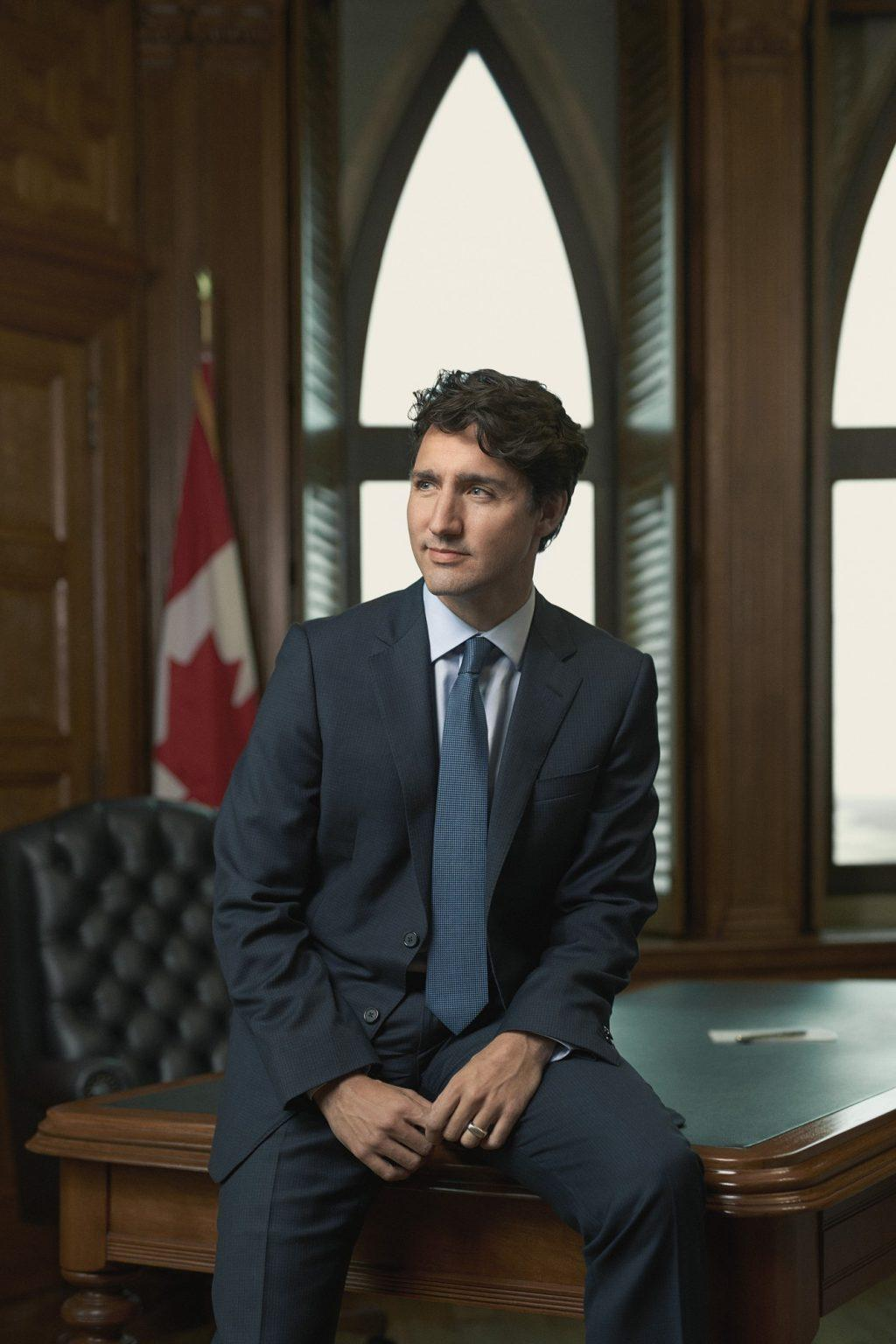


Quick Facts Snapshot: Justin Trudeau at a Glance
Full Name: Justin Pierre James Trudeau
Date of Birth / Age: December 25, 1971 (Age 54 as of 2026)
Place of Birth: Ottawa, Ontario, Canada
Nationality: Canadian
Profession: Politician, Former Prime Minister, Public Speaker
Current Status: Active in public life (Post-Prime Ministerial role)
Net Worth: Estimated $10 million – $15 million
Income Sources: Government salary (former), speaking engagements, book deals, investments
Relationship Status: Separated
Spouse/Partner(s): Sophie Grégoire Trudeau (married 2005, separated 2023)
Children: Xavier, Ella-Grace, Hadrien
Major Achievements:
– 23rd Prime Minister of Canada (2015–2024/2025)
– Leader of the Liberal Party
– Champion of multiculturalism and gender equality
– Climate policy reforms and international diplomacy efforts
Roots of influence: Early life, family, and education
Justin Trudeau’s early life was defined by proximity to power. Born into Canada’s most prominent political family, he spent his childhood at 24 Sussex Drive, the official residence of the Prime Minister. His father, Pierre Trudeau, was a dominant force in Canadian politics, while his mother, Margaret Trudeau, brought a contrasting presence marked by openness and public visibility.


Growing up under national attention shaped Trudeau’s understanding of leadership, public service, and the pressures of political life. Despite the privilege, his upbringing was not without challenges, including his parents’ separation and the constant scrutiny of the media.
He pursued higher education at McGill University, earning a degree in literature, followed by a Bachelor of Education from the University of British Columbia. Before entering politics, Trudeau worked as a teacher, public speaker, and advocate—experiences that would later define his approachable and communicative leadership style.
From teacher to Prime Minister: The evolution of a political career
Trudeau’s formal political career began when he was elected as Member of Parliament for Papineau in 2008. Initially underestimated by critics, he quickly built a reputation for his communication skills and ability to connect with younger voters.
His breakthrough came in 2013 when he became leader of the Liberal Party. At the time, the party was struggling, but Trudeau’s leadership revitalized its image. His campaign emphasized optimism, inclusivity, and change—messages that resonated strongly with the electorate.
In 2015, he led the Liberal Party to a decisive victory, becoming Prime Minister. His tenure saw a series of key milestones, including cabinet gender parity, legalization of cannabis, and a strong focus on immigration policies. However, his leadership was also tested by controversies, including ethics investigations and economic challenges, which gradually influenced public perception.
Achievements, controversies, and defining political moments
Trudeau’s time in office was marked by both landmark achievements and complex challenges. He positioned Canada as a global advocate for climate action, signing international agreements and implementing domestic environmental policies.
He also emphasized diversity and inclusion, making gender equality a central pillar of his administration. His government welcomed refugees and promoted multiculturalism as a defining national value.
However, his tenure was not without controversy. Ethical inquiries, political scandals, and criticism over economic policies tested his leadership. These moments contributed to fluctuating approval ratings and increased pressure from both opposition parties and the public.
Justin Trudeau net worth: Wealth, income streams, and lifestyle
Justin Trudeau’s net worth is estimated between $10 million and $15 million, reflecting a combination of inherited wealth, professional earnings, and investments.
Before entering politics, he earned income through teaching and public speaking. As Prime Minister, his salary was substantial, supplemented by allowances and benefits associated with the office. Additionally, Trudeau has generated income from book deals and speaking engagements, particularly following his rise to global prominence.
His lifestyle has often been described as refined but measured. While maintaining official residences and security arrangements during his tenure, Trudeau has also demonstrated a relatively accessible public persona, frequently engaging with citizens and appearing at community events.
Personal life, marriage, children, and evolving relationships
Justin Trudeau’s personal life has been a focal point of public interest. He married Sophie Grégoire in 2005, and the couple became one of Canada’s most recognizable families. Together, they have three children: Xavier, Ella-Grace, and Hadrien.
In 2023, Trudeau and Sophie announced their separation, marking a significant shift in his personal life. Despite the separation, both have emphasized their commitment to co-parenting and maintaining a stable environment for their children.
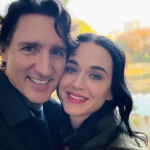
In recent years, Trudeau has also been linked in media speculation to Katy Perry, generating widespread attention. While such reports have fueled public curiosity, they remain part of broader discussions about his post-political personal life rather than confirmed developments.
Why did Justin Trudeau resign?
Justin Trudeau’s resignation followed a combination of political, strategic, and personal factors. After nearly a decade in power, mounting pressure from declining approval ratings, internal party dynamics, and evolving national priorities created a challenging political environment.
Leadership fatigue and the natural cycle of political change also played a role. Long-serving leaders often face increasing scrutiny, and Trudeau’s administration was no exception. His decision to step down reflected both a response to these pressures and a strategic move to allow new leadership within the Liberal Party.
The resignation marked the end of a significant era in Canadian politics, closing a chapter defined by progressive reforms and complex governance challenges.
Current relevance: Public life, media attention, and global presence
Even after stepping down as Prime Minister, Trudeau remains a highly visible public figure. He continues to participate in global discussions, public speaking engagements, and social initiatives.
Media attention surrounding his personal life—particularly his separation and rumored associations—has kept him in the public spotlight. At the same time, his legacy as a political leader continues to be debated, with analysts assessing both his achievements and shortcomings.
His influence extends beyond Canada, as he remains a recognizable voice in international conversations about leadership, democracy, and social progress.
Lesser-known facts about Justin Trudeau
Beyond politics, Trudeau has several lesser-known aspects that contribute to his public persona. He has a background in boxing and famously participated in a charity boxing match, demonstrating his competitive side.
He is also known for his interest in the arts and literature, reflecting his academic background. His ability to communicate effectively—whether in speeches or informal interactions—has been one of his defining traits.
Additionally, Trudeau’s multicultural heritage and fluency in both English and French have played a significant role in shaping his identity as a national leader.
Influence, impact, and long-term legacy
Justin Trudeau’s impact on Canada is multifaceted. He redefined the country’s global image as a progressive, inclusive society while navigating complex economic and political realities.
His emphasis on diversity, climate action, and gender equality set a new tone for Canadian leadership. However, his legacy is also shaped by the challenges he faced, including political controversies and shifting public sentiment.
Ultimately, Trudeau represents a transitional figure in modern politics—one who bridged traditional leadership with contemporary expectations, leaving behind a legacy that will continue to be analyzed for years to come.
Additional insights: A public figure beyond politics
Trudeau’s life after office suggests a continued role in shaping public discourse. Whether through advocacy, speaking engagements, or potential future ventures, his influence is likely to persist.
His ability to remain relevant in both political and cultural conversations underscores his unique position as a leader who transcends traditional boundaries. This dual identity—political and personal—ensures that Justin Trudeau remains a subject of ongoing public interest.
Conclusion: A legacy defined by ambition, scrutiny, and transformation
Justin Trudeau’s biography is not simply a political story—it is a narrative shaped by legacy, ambition, and constant public scrutiny. From his early days as the son of a political icon to his tenure as Prime Minister and his life beyond office, Trudeau’s journey reflects the complexities of modern leadership.
His career, relationships, net worth, and family life continue to draw attention, while his impact on Canada’s political and cultural landscape remains significant. Whether viewed as a reformer, a controversial figure, or a symbol of generational change, Justin Trudeau’s story is far from over.